

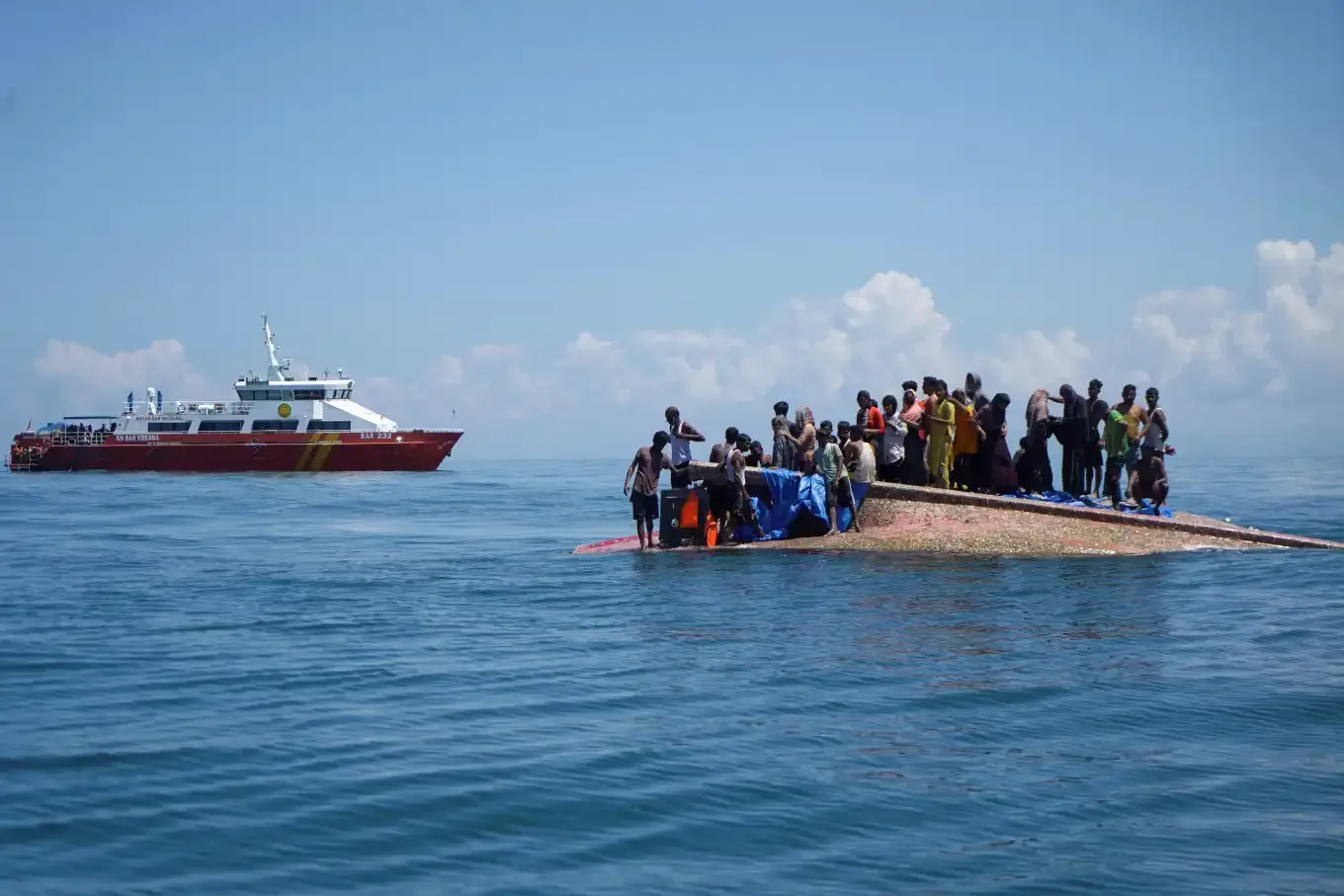

More than 500 Rohingya refugees are feared dead after two overcrowded boats reportedly capsized in the Bay of Bengal while attempting to flee Myanmar and refugee camps in Bangladesh. The United Nations has described the incidents as a potentially devastating humanitarian tragedy, highlighting the growing desperation driving dangerous sea crossings.
The International Organization for Migration (IOM) and the UN High Commissioner for Refugees (UNHCR) said the casualty figures are yet to be officially confirmed but expressed deep concern over the possible scale of the disaster.
Two Refugee Boats Reportedly Capsize
According to preliminary information shared by UN agencies, both boats departed in late June carrying mostly Rohingya refugees.

- One vessel reportedly carried around 250 passengers before losing contact shortly after departure.
- A second boat, believed to have 280 people on board, reportedly sank off Myanmar's Ayeyarwady coast on July 8.
Many of those aboard had travelled from refugee camps in neighbouring Bangladesh in search of safety and better opportunities.
UN Voices Concern Over Possible Mass Casualties
The UNHCR and IOM said they remain deeply concerned even though official confirmation of the incidents is still awaited.
The agencies warned that the reported tragedy highlights the dangerous conditions Rohingya refugees continue to face while attempting perilous sea journeys.
They also called for stronger regional cooperation to improve search-and-rescue operations, expand access to asylum, and combat human smuggling and trafficking networks.
Why Are Rohingya Taking Such Dangerous Journeys?
The Rohingya community continues to face severe humanitarian challenges.
Around 1.2 million stateless Rohingya refugees remain in overcrowded camps in Bangladesh after fleeing violence in Myanmar.
Meanwhile, Rohingya still living in Myanmar continue to face:
- Restrictions on movement
- Limited access to basic services
- Ongoing conflict in Rakhine State
- Internment in camps
UN agencies also noted that recent reductions in international humanitarian funding have led to cuts in food assistance in refugee camps, worsening living conditions.
Monsoon Makes Sea Crossings Even More Dangerous
Sea crossings are relatively uncommon during the monsoon season because rough weather significantly increases the risk of accidents.
According to the UN, heavy rainfall and flooding across the region have made this year's journeys particularly hazardous.
Despite these dangers, many refugees continue attempting the voyage to countries such as Malaysia due to deteriorating conditions in camps and ongoing insecurity in Myanmar.
Deadliest Year for Rohingya Sea Crossings
The latest reported incident adds to an already alarming trend.
According to the UNHCR:
- More than 6,500 Rohingya have attempted sea crossings in 2025.
- Nearly 900 people have already been reported dead or missing this year.
The agency says this represents the highest mortality rate among major refugee and migrant sea routes worldwide.
Calls for Urgent International Action
The UNHCR and IOM have urged governments and humanitarian organisations to strengthen protection measures for Rohingya refugees.
The agencies stressed that long-term solutions are needed to prevent further loss of life, including:
- Enhanced maritime search-and-rescue efforts
- Greater access to asylum and protection
- Action against human smuggling networks
- Increased humanitarian support for refugee camps in Bangladesh
The reported sinking of the two boats underscores the continuing humanitarian crisis facing the Rohingya community and the desperate risks many continue to take in search of safety.
Key Highlights
- More than 500 Rohingya refugees are feared dead after two boats reportedly capsized in the Bay of Bengal.
- One boat reportedly carried around 250 passengers, while another had about 280 onboard.
- UNHCR and IOM have expressed grave concern, though casualties remain unconfirmed.
- Around 1.2 million Rohingya continue to live in refugee camps in Bangladesh.
- UN agencies have called for stronger search-and-rescue operations and increased international support.
FAQs
How many Rohingya refugees are feared dead?
More than 500 people are feared to have died after two refugee boats reportedly capsized in the Bay of Bengal, according to preliminary information shared by UN agencies.
Where did the boats depart from?
The boats reportedly left Myanmar's Rakhine State, with some passengers travelling from Rohingya refugee camps in Bangladesh.
Why are Rohingya refugees risking sea journeys?
Many Rohingya are fleeing conflict, persecution, severe restrictions in Myanmar, and worsening conditions in refugee camps in Bangladesh.
Have the deaths been officially confirmed?
No. The UNHCR and IOM said the reported incidents and casualty figures are still awaiting official confirmation.
What has the UN called for?
The UN has urged stronger search-and-rescue operations, improved refugee protection, expanded asylum access, and greater international support to prevent further tragedies.







Conversation
Be kind and stay on topic. Comments are moderated; abuse, spam and personal attacks are removed. Report a problem