

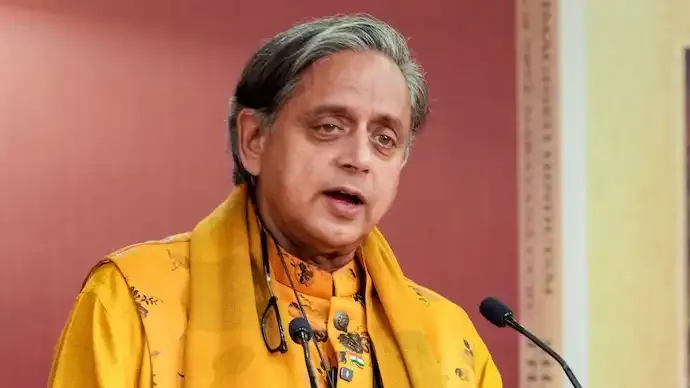

Congress leader Shashi Tharoor has raised serious questions about Pakistan’s involvement in the recent diplomatic developments surrounding the Iran conflict. He described Pakistan’s role as a “diplomatic fig leaf,” suggesting that Islamabad may be acting as a cover for larger geopolitical interests.
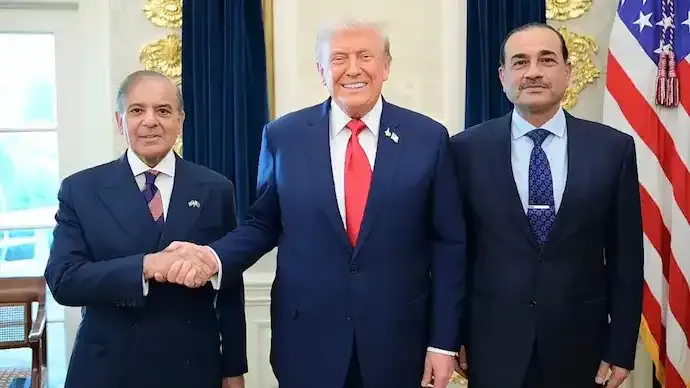
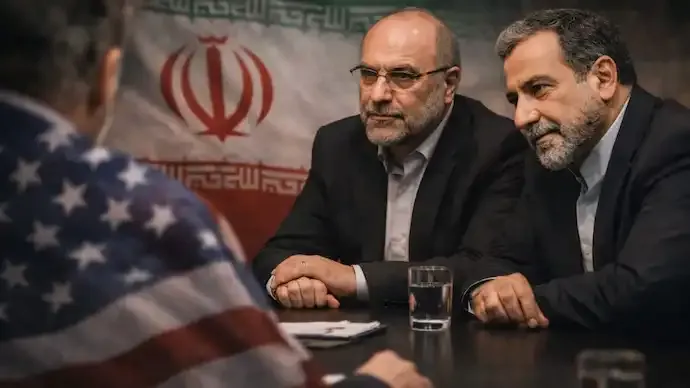
His remarks come amid claims that Pakistan played a mediating role between the United States and Iran to ease tensions and move towards a ceasefire arrangement.
“Diplomatic Cover” for Larger Powers
Shashi Tharoor argued that Pakistan’s involvement appears closely aligned with the messaging of the United States. According to him, this raises concerns that Islamabad may not be acting as an independent mediator but rather as a strategic front to help Washington manage the situation diplomatically.

He emphasized that such a role could allow major powers to navigate complex negotiations without directly exposing themselves to criticism or political pressure.
The statement suggests that the real decision-making process might be driven by key global players, while Pakistan provides a diplomatic layer to facilitate communication and present a neutral front.
Signals Pointing to US Alignment
Tharoor highlighted that several signals emerging from Pakistan seem to mirror US positions on the conflict. This alignment has further strengthened his argument that Islamabad’s role may be more about representation than independent mediation.
This perspective adds a new dimension to the understanding of the geopolitical dynamics in West Asia, where multiple countries are actively involved in shaping outcomes.
The situation reflects how international diplomacy often involves indirect channels and strategic partnerships to achieve broader objectives.
Call for India to Engage in Post-War Talks
Alongside his criticism, Shashi Tharoor also urged India to take an active role in the post-conflict diplomatic process. He stressed that India should not remain a passive observer and should instead engage in negotiations that shape the future of the region.
India’s growing global influence and strategic interests in West Asia make its involvement crucial in ensuring stability and safeguarding its own economic and security concerns.
Tharoor’s suggestion highlights the importance of proactive diplomacy, especially in a rapidly evolving geopolitical environment.
Geopolitical Implications for South Asia and Beyond
The remarks have sparked discussions about the broader implications of Pakistan’s role and the shifting power dynamics in international relations. If Pakistan is indeed acting as a diplomatic intermediary aligned with the US, it could influence regional alliances and future negotiations.
For India, this situation presents both challenges and opportunities. While it underscores the need for strategic awareness, it also opens the door for increased diplomatic engagement in global matters.
Rising Importance of Strategic Diplomacy
The evolving Iran conflict and the involvement of multiple nations highlight the complexity of modern diplomacy. Countries are increasingly using indirect channels and alliances to manage conflicts and maintain global balance.
As the situation continues to develop, the focus will remain on how major players navigate negotiations and how emerging powers like India position themselves in the global arena.



Conversation
Be kind and stay on topic. Comments are moderated; abuse, spam and personal attacks are removed. Report a problem