

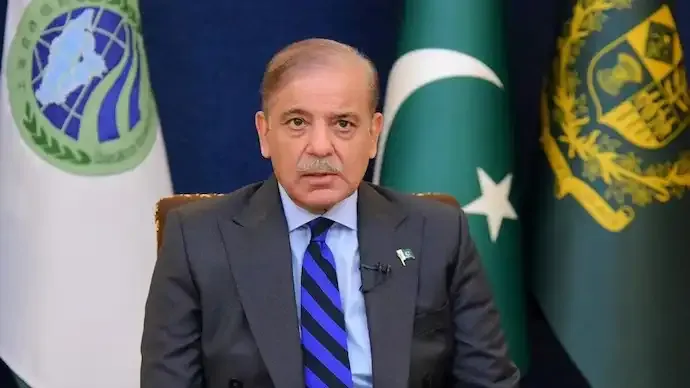

Pakistan has decided to repay a significant $3.5 billion loan to the United Arab Emirates (UAE) within April, signaling a major financial move amid ongoing economic challenges. The decision was confirmed by a senior government official, aiming to remove uncertainty surrounding the country’s short-term debt obligations.
The repayment comes at a time when Pakistan is navigating financial pressure, with its foreign exchange reserves under strain and reliance on external support continuing.
Economic Pressure and Reserve Challenges
Pakistan’s foreign exchange reserves have shown some improvement in recent months. However, officials have acknowledged that this stability is largely due to deposits from allied countries rather than strong economic fundamentals.

Reports indicate that around $12 billion in reserves are linked to support from friendly nations, highlighting the fragile nature of the country’s financial position. Weak investment inflows and limited export growth continue to pose challenges for long-term economic stability.
IMF Pressure and Fiscal Discipline
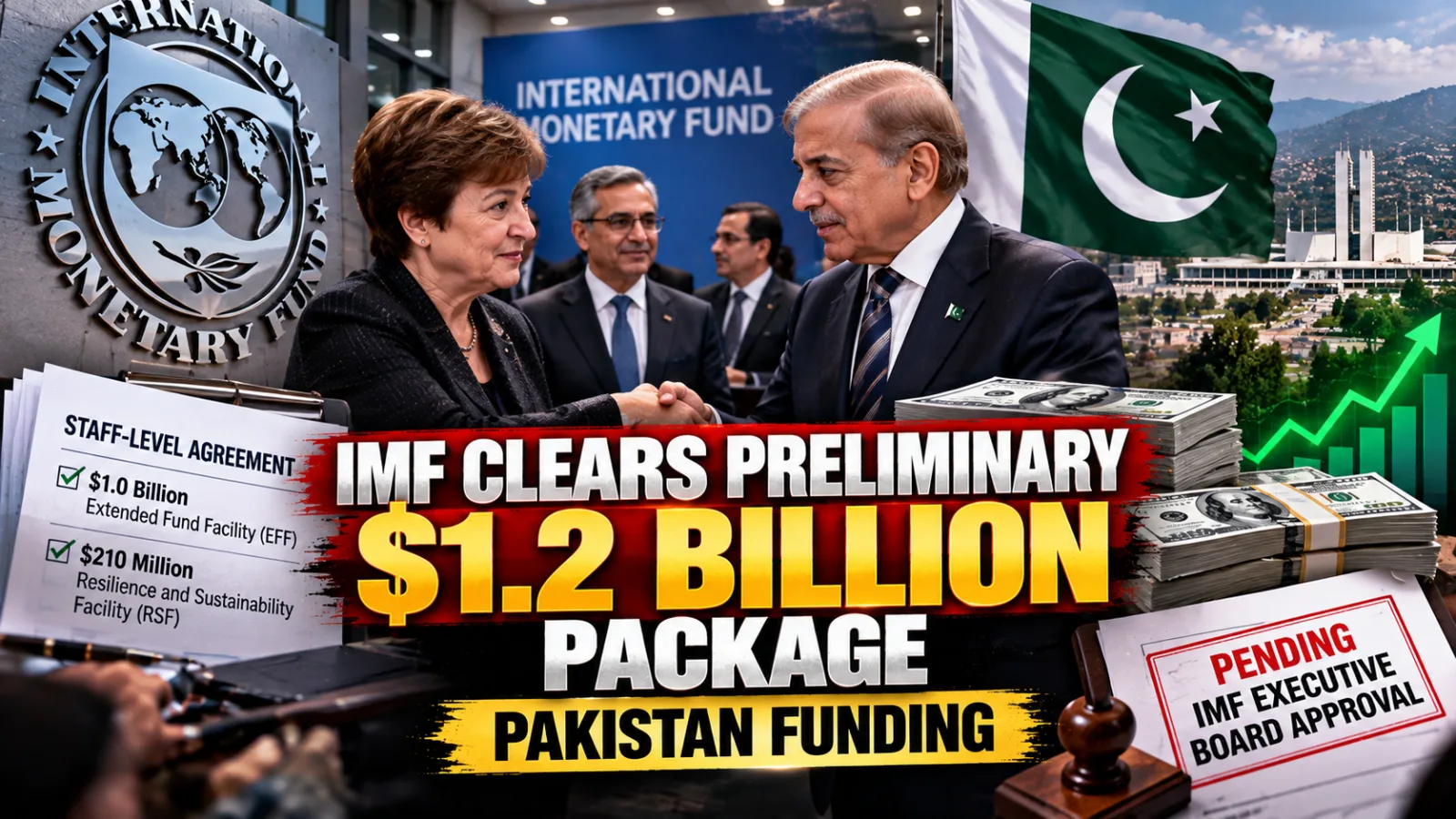
The decision to repay the UAE loan is also seen in the context of ongoing engagement with the International Monetary Fund (IMF). Pakistan is under pressure to demonstrate fiscal discipline and maintain financial commitments as part of its economic reform program.
Meeting repayment obligations on time can help improve investor confidence and strengthen Pakistan’s credibility in international financial markets. However, it also puts additional pressure on already limited reserves.
Possibility of Investment Conversion Under Discussion
Alongside the repayment plan, discussions are reportedly underway regarding the possibility of converting part of the outstanding loan into investment. Such a move could provide some relief by reducing immediate repayment burdens while encouraging long-term economic collaboration.
This approach reflects a broader strategy of balancing debt management with efforts to attract foreign investment, which remains a critical need for Pakistan’s economy.
Balancing Short-Term Obligations with Long-Term Stability
Pakistan’s decision highlights the delicate balance between meeting short-term financial commitments and ensuring long-term economic sustainability. While clearing the loan may strengthen diplomatic and financial ties with the UAE, it also underscores the ongoing reliance on external support.
Experts suggest that structural reforms, increased exports, and improved investment climate will be essential for reducing dependence on foreign assistance in the future.
Global Economic Context and Future Outlook
The repayment plan comes amid a challenging global economic environment marked by inflation, fluctuating oil prices, and geopolitical uncertainties. These factors continue to impact developing economies, including Pakistan.
As the country moves forward, its ability to manage debt, stabilize reserves, and attract sustainable investment will be key to navigating economic challenges and ensuring growth.






Conversation
Be kind and stay on topic. Comments are moderated; abuse, spam and personal attacks are removed. Report a problem