

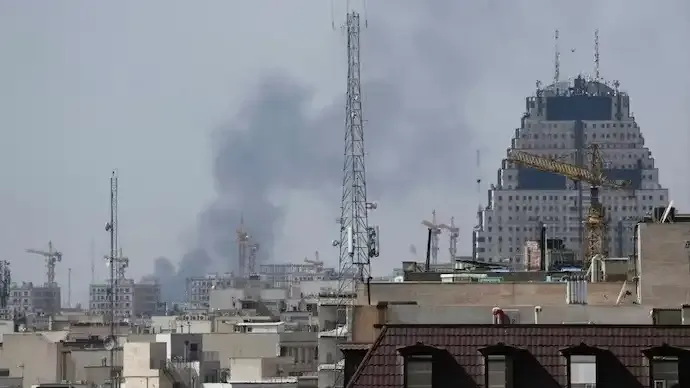

QatarEnergy has announced a halt to its liquefied natural gas (LNG) production as escalating military tensions in the Middle East disrupt critical energy infrastructure. The decision comes amid widening regional conflict following joint US-Israeli strikes inside Iran and Tehran’s subsequent retaliation across Gulf nations.
According to official statements, QatarEnergy suspended operations after military attacks targeted facilities in Ras Laffan Industrial City and Mesaieed Industrial City — two of Qatar’s key energy hubs. The company has not specified when production will resume.
Qatar is one of the world’s largest exporters of liquefied natural gas, and any disruption to its output is expected to have significant implications for global energy markets.

Conflict Enters Third Day
The crisis entered its third day as Iran expanded its retaliation following strikes that killed its Supreme Leader, Ayatollah Ali Khamenei, along with several senior military and political leaders. Iran reportedly launched hundreds of missiles and drones across parts of the Middle East, intensifying fears of a prolonged regional conflict.
The United States confirmed casualties among American service members, while Israel carried out additional strikes inside Iranian territory. Explosions were reported for a second consecutive day near Dubai and over Doha, raising alarm across Gulf states that were previously seen as stable economic and aviation hubs.
US President Donald Trump warned that any further attacks on American or Israeli interests would invite consequences of “unprecedented” levels, further heightening tensions.

Energy Markets Under Pressure
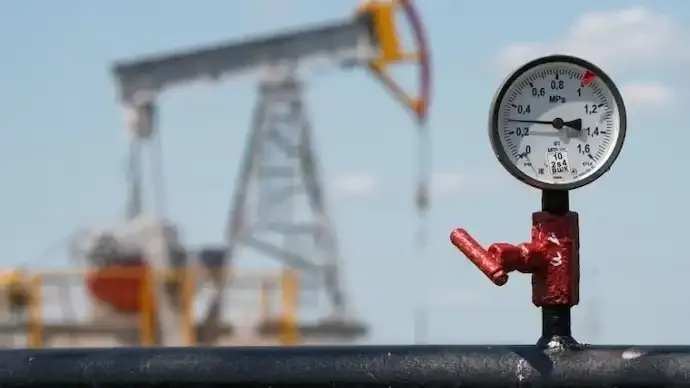
Global oil prices surged sharply as traders reacted to fears of supply disruptions. The suspension of LNG production by QatarEnergy has added another layer of uncertainty, especially for countries heavily dependent on Qatari gas exports.
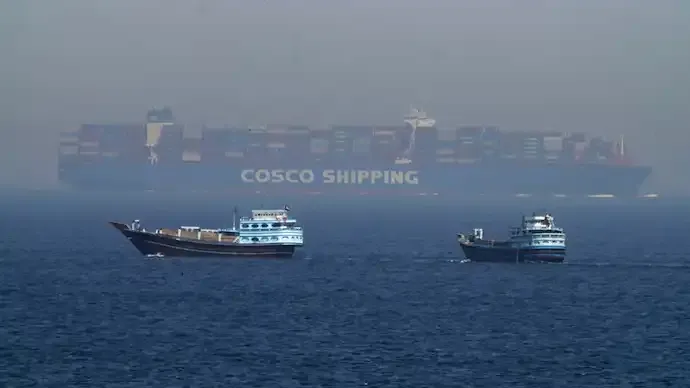
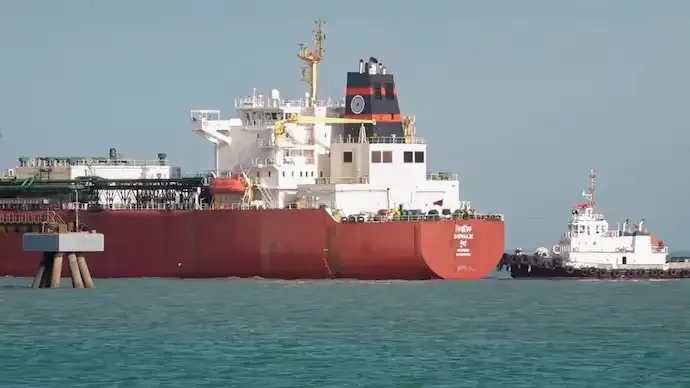
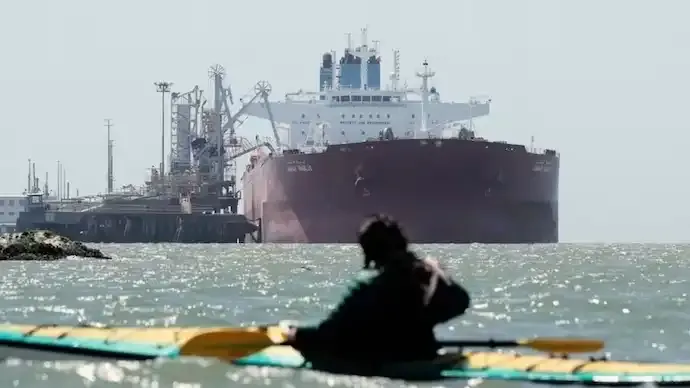
With the Strait of Hormuz already facing disruptions and tanker traffic slowed, energy markets are bracing for potential shortages. Analysts warn that even temporary shutdowns at major LNG facilities could tighten global supply chains, particularly in Asia and Europe, where demand remains high.
Air travel across the region has also been heavily affected, with airports experiencing operational chaos and thousands of passengers stranded due to airspace restrictions.
Broader Economic Impact
QatarEnergy’s move underscores how rapidly geopolitical tensions are spilling into economic sectors. As one of the largest LNG producers globally, Qatar’s production pause could ripple across electricity generation, industrial output and energy pricing worldwide.
With no clear timeline for de-escalation, global markets are closely watching further developments in the Gulf region.




Conversation
Be kind and stay on topic. Comments are moderated; abuse, spam and personal attacks are removed. Report a problem