

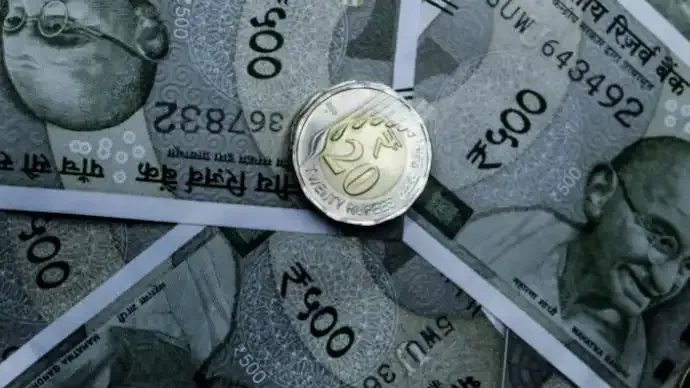

The Indian rupee stabilised against the US dollar after touching a historic low earlier in the week, offering temporary relief to financial markets. However, analysts warn that the recovery could be short-lived as volatile crude oil prices and geopolitical tensions continue to weigh on the currency.
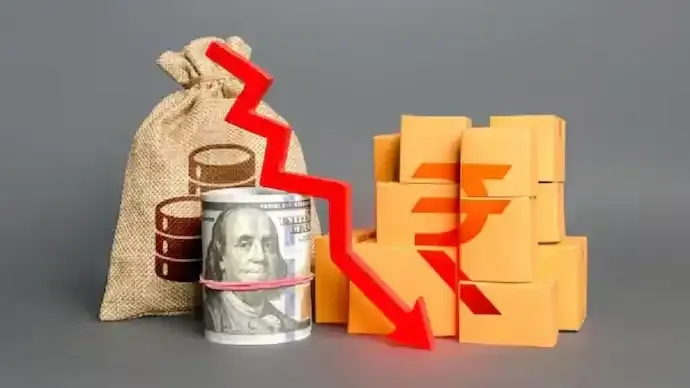
The rupee briefly crossed the ₹92 per US dollar mark, the weakest level in its history, amid rising global uncertainty linked to the ongoing conflict in West Asia. On Thursday morning, the currency recovered slightly and was trading near ₹91.61 per dollar, suggesting a modest rebound.
Market experts believe the recovery was partly supported by intervention from the Reserve Bank of India (RBI), which stepped into the foreign exchange market to stabilise the currency.

West Asia Conflict Pushes Oil Prices Higher
The recent turbulence in currency markets has been largely driven by the escalating conflict in West Asia. The region plays a central role in global oil production, and any disruption or potential threat to supply quickly influences global energy prices.
In recent days, crude oil prices have risen sharply due to fears that the conflict could affect energy flows from the region. Prices have climbed nearly 10 percent, moving into the $76–$78 per barrel range.
Such increases in oil prices have a direct impact on India’s currency because the country relies heavily on imported energy.
Why Oil Prices Affect the Rupee
India imports about 85 percent of the crude oil it consumes. Because international oil transactions are priced in US dollars, Indian oil companies must purchase dollars to pay for these imports.
When oil prices rise, the demand for dollars increases, which tends to weaken the rupee. Higher oil prices also increase the country’s import bill, widening the trade deficit.
A trade deficit occurs when a country imports more goods than it exports. When more dollars leave the economy than enter it, the domestic currency usually comes under pressure.
Financial analysts say the recent spike in crude prices has been a major factor behind the rupee’s fall to record levels.
Strong US Dollar Adds to Currency Pressure
Apart from oil prices, the strengthening of the US dollar globally has also contributed to the rupee’s weakness.
During periods of geopolitical tension, investors typically move their money toward assets considered safer, such as US government bonds and the US dollar. This trend is often described as a risk-off environment.
As funds shift out of emerging markets and into the US, currencies such as the rupee often face downward pressure.
Foreign Investor Outflows Impact Markets
Foreign portfolio investors have also been pulling money out of Indian financial markets amid global uncertainty.
When international investors sell Indian stocks or bonds, they convert their rupees into dollars before transferring the funds abroad. This conversion increases demand for dollars in the foreign exchange market, which can push the rupee lower.
Analysts say such outflows tend to rise when geopolitical tensions increase.
RBI Intervention Helps Stabilise Currency
Despite the pressures, the rupee managed to stabilise after the Reserve Bank of India intervened in the market.
Central banks can support their currency by selling dollars from foreign exchange reserves and buying the domestic currency. This action increases the supply of dollars and slows the pace of depreciation.
The rupee’s recovery to around ₹91.61 per dollar suggests that RBI intervention helped calm the market and reduce volatility in the short term.
Outlook Remains Uncertain
Market analysts believe the rupee may continue to experience volatility in the coming weeks.
Technical indicators suggest the USD/INR exchange rate remains strong for the dollar, with traders closely watching key levels around ₹91.80 to ₹92.20.
If global tensions remain high and crude oil prices continue to fluctuate, the rupee could remain under pressure.
For now, economists view the rupee’s stabilisation as a temporary pause rather than a full recovery. The future direction of the currency will largely depend on developments in global energy markets and the evolving geopolitical situation in West Asia.






Conversation
Be kind and stay on topic. Comments are moderated; abuse, spam and personal attacks are removed. Report a problem