Shopping cart
Your cart empty!


Your cart empty!
Terms of use dolor sit amet consectetur, adipisicing elit. Recusandae provident ullam aperiam quo ad non corrupti sit vel quam repellat ipsa quod sed, repellendus adipisci, ducimus ea modi odio assumenda.
Lorem ipsum dolor sit amet consectetur adipisicing elit. Sequi, cum esse possimus officiis amet ea voluptatibus libero! Dolorum assumenda esse, deserunt ipsum ad iusto! Praesentium error nobis tenetur at, quis nostrum facere excepturi architecto totam.
Lorem ipsum dolor sit amet consectetur adipisicing elit. Inventore, soluta alias eaque modi ipsum sint iusto fugiat vero velit rerum.
Sequi, cum esse possimus officiis amet ea voluptatibus libero! Dolorum assumenda esse, deserunt ipsum ad iusto! Praesentium error nobis tenetur at, quis nostrum facere excepturi architecto totam.
Lorem ipsum dolor sit amet consectetur adipisicing elit. Inventore, soluta alias eaque modi ipsum sint iusto fugiat vero velit rerum.
Dolor sit amet consectetur adipisicing elit. Sequi, cum esse possimus officiis amet ea voluptatibus libero! Dolorum assumenda esse, deserunt ipsum ad iusto! Praesentium error nobis tenetur at, quis nostrum facere excepturi architecto totam.
Lorem ipsum dolor sit amet consectetur adipisicing elit. Inventore, soluta alias eaque modi ipsum sint iusto fugiat vero velit rerum.
Sit amet consectetur adipisicing elit. Sequi, cum esse possimus officiis amet ea voluptatibus libero! Dolorum assumenda esse, deserunt ipsum ad iusto! Praesentium error nobis tenetur at, quis nostrum facere excepturi architecto totam.
Lorem ipsum dolor sit amet consectetur adipisicing elit. Inventore, soluta alias eaque modi ipsum sint iusto fugiat vero velit rerum.
Do you agree to our terms? Sign up
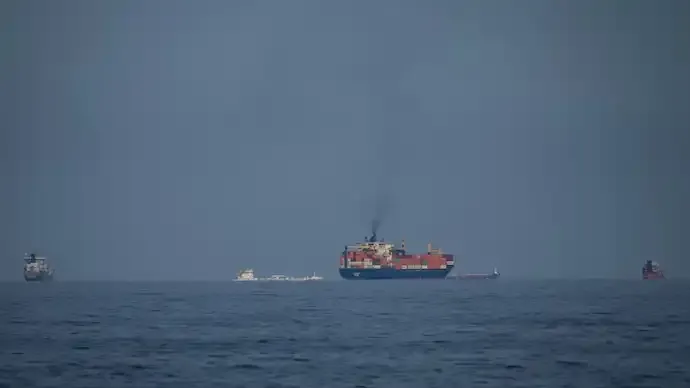
The Strait of Hormuz is one of the most critical waterways in the world, acting as a narrow passage through which a significant portion of global oil supply flows. This 30-mile-wide stretch has become central to global energy security and geopolitical tensions.
The formation of the Strait of Hormuz dates back millions of years, shaped by tectonic movements and the collision of continents. These geological shifts created not only the narrow waterway but also the oil-rich reserves beneath the region.
This “million-year accident” transformed ancient seabeds into vast energy resources, making the region vital to the modern world.
Nearly one-fifth of the world’s liquid energy passes through this narrow chokepoint. Oil tankers from major producers in the Gulf rely on this route to reach global markets.
Any disruption in this passage can immediately impact oil prices, supply chains, and global economies.
Iran holds significant strategic influence over the Strait of Hormuz due to its geographic position. During periods of conflict, the country has the ability to disrupt or restrict movement through the waterway.
Recent developments have shown how tensions in the region can lead to closures or threats, pushing oil prices higher and increasing global uncertainty.
When the Strait faces disruption, oil prices tend to surge due to fears of supply shortages. The closure or restriction of this route can send shockwaves across global markets, affecting everything from fuel costs to economic stability.
The strait’s importance makes it a focal point during international conflicts.
The combination of geography, energy dependence, and geopolitical tensions makes the Strait of Hormuz one of the most sensitive locations in the world. Its narrow width and high traffic volume increase vulnerability to disruptions.
As global demand for energy continues, the importance of this chokepoint remains unmatched.
The Strait of Hormuz will continue to play a crucial role in global politics and economics. Any escalation in regional conflicts can directly impact its functioning, making it a key area to watch.
Understanding its history and strategic importance helps explain why it remains central to global discussions on energy and security.
89
Published: Mar 19, 2026

All India Story is your trusted source for comprehensive and up-to-the-minute news coverage across India. Bringing you the latest on politics, business, technology, entertainment, sports, and more, we are dedicated to keeping you informed with accurate, engaging, and insightful stories from every corner of the nation.