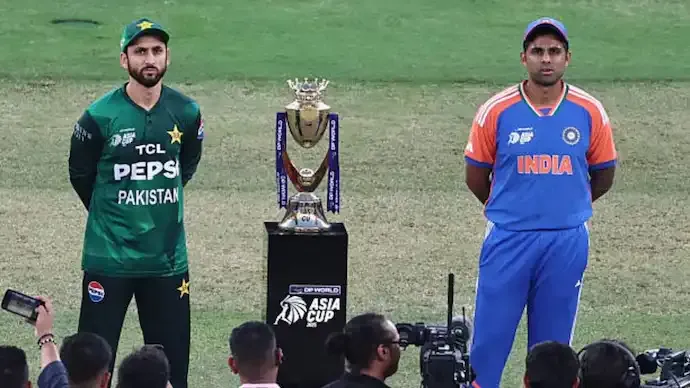
Despite loud posturing and reported threats of withdrawal, Pakistan is highly unlikely to boycott the upcoming T20 World Cup. The idea of Pakistan pulling out to show solidarity with Bangladesh has generated headlines, but the reality points in the opposite direction. When financial interests, international obligations and political optics collide, cricket boards tend to choose self-preservation.
Reports indicate that Pakistan had explored the possibility of hosting Bangladesh’s matches and even hinted at a withdrawal if Bangladesh did not participate. However, no official communication was ever sent to the International Cricket Council, raising immediate doubts about the seriousness of the threat. With Bangladesh confirming it will not take part in the tournament, Pakistan now has a convenient exit from an awkward diplomatic stance.
Crucially, Pakistan were never expected to delay or cancel their own travel plans. Their entire tournament schedule is based in Sri Lanka, a neutral venue agreed upon well in advance. Travel arrangements were already in place, with the squad set to depart for Colombo in early February. Any last-minute withdrawal would have triggered severe financial penalties and reputational damage.
The financial implications alone make a boycott improbable. Global tournaments represent a significant revenue stream for cricket boards, and Pakistan’s participation guarantees broadcast value, sponsorship exposure and prize money. Missing out would mean absorbing losses without gaining any tangible political leverage — especially when the dispute does not directly involve them.
There is also a binding structural reason Pakistan could not walk away. In 2025, the Board of Control for Cricket in India, the Pakistan Cricket Board and the ICC entered into a tri-partite agreement stating that all India-Pakistan matches at ICC events until 2027 would be held at neutral venues. With matches already scheduled in Sri Lanka, Pakistan had no grounds to object or withdraw without breaching this understanding.
Leadership dynamics further explain the reluctance. PCB chairman Mohsin Naqvi, who also holds a key government position, is acutely aware that alienating the ICC would have long-term consequences for Pakistan cricket. Any decision to boycott a global event would require government backing, but even at that level, the cost-benefit equation does not favour withdrawal.
India-Pakistan fixtures remain among the most lucrative assets in world cricket. The ICC consistently structures tournaments to maximise the likelihood of multiple encounters between the two sides, ensuring packed stadiums and record viewership. For Pakistan, opting out would mean voluntarily surrendering one of its most valuable commercial opportunities — a scenario that borders on implausible.
The recent history of the rivalry also undercuts boycott rhetoric. Even during periods of heightened political tension, the two teams have faced each other repeatedly in ICC and continental tournaments. That pattern underscores how cricketing pragmatism routinely overrides diplomatic posturing.
As the T20 World Cup approaches, the drama surrounding participation is expected to fade quickly. Pakistan will board the flight to Sri Lanka, take the field as scheduled, and the tournament will proceed as planned. In international cricket, symbolic threats may grab attention — but binding agreements, finances and institutional survival ultimately dictate action.
Prev Article
Ageless Djokovic Defies Time, Outlasts Sinner to Keep 25th Grand Slam Dream Alive
Next Article
Australian Open 2026 Final: Rybakina Breaks Sabalenka Early, Takes Command in Opening Set