

The United States has significantly expanded its travel ban regime, with President Donald Trump signing a new proclamation that imposes a complete travel ban on seven additional countries and entry restrictions on 15 others, citing national security, public safety concerns, weak vetting mechanisms and high visa overstay rates.
With the latest additions, the total number of countries facing either full or partial US travel restrictions has risen to 39, marking one of the most extensive immigration crackdowns in recent years. The new measures are scheduled to come into effect on January 1.
According to a White House fact sheet, the proclamation enforces a complete travel ban on nationals from Burkina Faso, Mali, Niger, South Sudan, Syria, Laos and Sierra Leone. The order also applies to individuals holding Palestinian Authority-issued travel documents, effectively restricting entry for Palestinians.
Laos and Sierra Leone were previously under partial restrictions but have now been moved to the full-ban category.
The decision follows earlier US travel bans on 12 countries, including Afghanistan, Iran, Libya, Somalia, Sudan, Yemen and Haiti, among others.
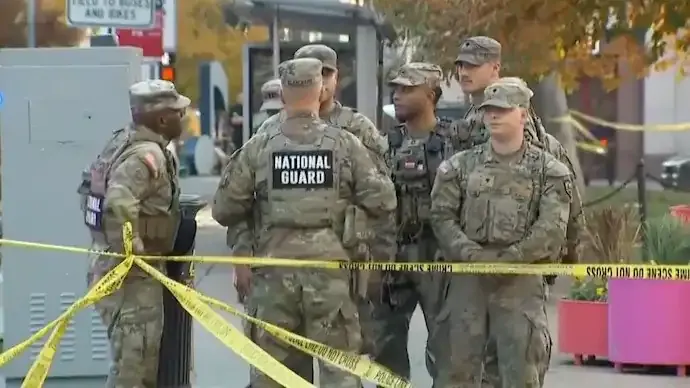
The announcement comes amid heightened security concerns following the November 26 killing of two US National Guard members in Washington DC and a recent Islamic State ambush in Syria that killed two US soldiers and an American civilian interpreter. The Trump administration has cited these incidents as justification for tightening immigration controls.
Partial Entry Restrictions Expanded
The proclamation also introduces partial entry restrictions on nationals from 15 additional countries, including Nigeria, Senegal, Angola, Tanzania, Zimbabwe, Zambia, Benin, Gabon and Antigua and Barbuda, among others. Partial restrictions remain in place for Burundi, Cuba, Togo and Venezuela.
In a limited easing, the US lifted certain non-immigrant visa restrictions for Turkmenistan, making it the only country to see relief under the new order.
Reasons Cited for the Decision
The White House cited factors such as terrorist activity, internal conflict, lack of reliable civil documentation systems, and high visa overstay rates as primary reasons for the expanded restrictions. Syria was specifically flagged for lacking a functioning central authority capable of issuing secure travel documents.
“The restrictions are necessary to prevent the entry of foreign nationals about whom the United States lacks sufficient information to assess security risks,” the White House said.
Exemptions and Waivers
The proclamation includes exemptions for lawful permanent residents, existing visa holders, diplomats, athletes, and individuals whose entry serves US national interests. Case-by-case waivers will remain available, though family-based immigration exemptions have been narrowed due to alleged fraud risks.


Conversation
Be kind and stay on topic. Comments are moderated; abuse, spam and personal attacks are removed. Report a problem