The United States has clarified why it allowed India to refine Russian crude oil stranded at sea, describing the move as a temporary measure aimed at stabilising global energy supplies during rising geopolitical tensions in West Asia.
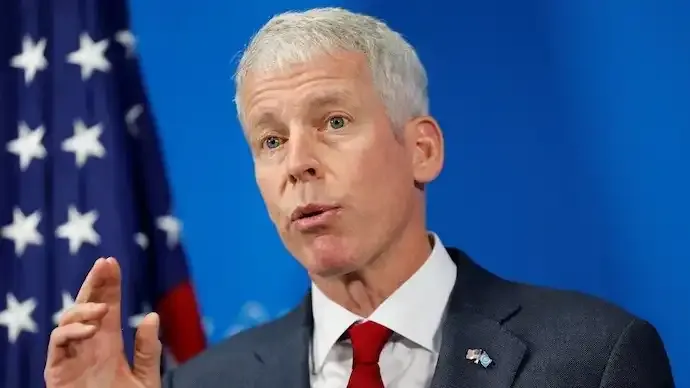
US Energy Secretary Chris Wright stated that Washington permitted India to process the oil in order to quickly bring additional supply into the global market. The decision comes at a time when disruptions linked to tensions around the Strait of Hormuz have created concerns about the stability of global oil shipments.
According to Wright, several shipments of Russian crude had been sitting in floating storage near southern Asia after buyers slowed purchases. Allowing Indian refineries to process the stranded oil was seen as a practical way to increase supply and reduce pressure on global oil prices.
He explained that the decision was designed to address immediate market concerns rather than represent a long-term shift in US policy towards Russia.
Officials in Washington emphasised that the step is short-term and temporary, aimed only at ensuring that enough oil reaches international markets during a period of supply uncertainty. Wright also stressed that global oil reserves remain sufficient in the long run, but the current challenge lies in ensuring that adequate supply reaches the market quickly.
The waiver allows Indian refiners to purchase Russian crude that is already on ships and waiting in international waters. Once refined in India, the oil products can enter global markets, helping stabilise supply chains and reduce competition among buyers.
Energy analysts say India plays an important role in global oil refining due to its large refining capacity and strategic geographic location. Processing the stranded Russian oil in India could help move significant volumes of fuel back into the international market.
Another factor behind the situation is the slowdown in purchases by certain Asian buyers, which left several shipments of Russian oil stored in tankers. These barrels remained unused, creating an opportunity for India to step in and refine the crude.
US officials have clarified that this temporary waiver does not signal a broader change in Washington’s stance on Russian energy exports. Instead, it is part of a set of short-term measures aimed at controlling energy price volatility.
The move also reflects the growing importance of India–US cooperation in the energy sector. Officials described India as an essential partner in maintaining stability in global energy markets during periods of geopolitical uncertainty.
The waiver reportedly covers a limited period of around 30 days, allowing Indian refiners to purchase and process Russian oil already stranded at sea. Authorities believe the measure could help ease supply pressures caused by tensions in West Asia.
The developments come at a time when global markets remain sensitive to disruptions in energy supply routes. The Strait of Hormuz, through which a large portion of the world’s oil shipments passes, has become a major focus due to security concerns linked to regional conflict.
Energy experts say such temporary measures are often used to stabilise markets when geopolitical events threaten to disrupt supply chains. For now, the waiver highlights India’s growing role in the global energy system and its capacity to influence international oil markets.
Prev Article
Israel Planned Khamenei Assassination Months Earlier, Defence Minister Reveals
Next Article
Trump Unveils 2026 Cyber Strategy Targeting Hackers and Global Scam Networks