



Major American news organisations, including The New York Times and The Washington Post, were reportedly aware of a secret US military operation against Venezuela before it began but chose not to publish the information to prevent jeopardising the safety of American troops, according to a new report.
US-based media platform Semafor reported that senior editors at both newspapers were briefed on sensitive operational details shortly before the raid was launched. After internal discussions, newsroom leadership decided to temporarily withhold publication, citing concerns that revealing the information could endanger US personnel involved in the mission.
The report said the decision reflected a long-standing journalistic practice in the United States, where news organisations exercise restraint on matters of national security when lives may be at risk. The episode has drawn attention because it comes amid a period of strained relations between the White House and legacy media outlets.

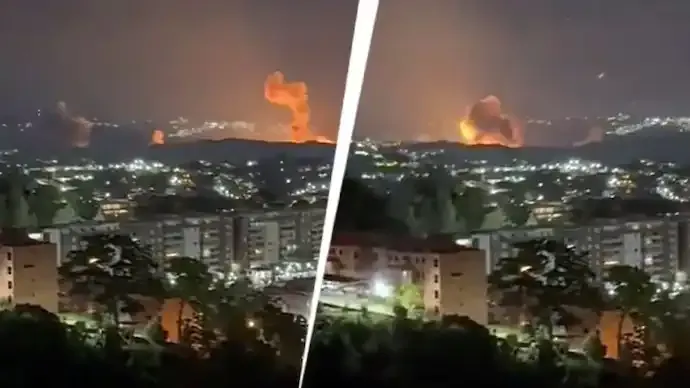
The disclosure follows a dramatic escalation in US-Venezuela relations after the United States launched airstrikes on Caracas and captured Venezuelan President Nicolas Maduro and his wife, Cilia Flores. The operation, authorised by US President Donald Trump, marked one of the most unprecedented foreign military actions undertaken by Washington in recent years.
Trump said the operation was aimed at dismantling what he described as a “narco-terror network” allegedly led by Maduro and his inner circle. Caracas, however, strongly condemned the action, calling it an illegal act of war and a violation of international law.
According to the Semafor report, communication between US officials and media executives occurred shortly before the operation commenced. Editors reportedly weighed the public’s right to know against the potential consequences of exposing troop movements and operational timing. The decision to delay publication was taken collectively to avoid tipping off adversaries or compromising the mission.
Following the raid, President Trump announced that Maduro had been removed from power and declared that the United States would oversee Venezuela’s administration until a “safe and orderly transition” could be arranged. The statement triggered global reactions and sharp criticism from multiple countries.
US authorities later made public an indictment accusing Maduro, his wife, his son and others of multiple charges, including narco-terrorism conspiracy, cocaine trafficking, and illegal possession of weapons. Washington has long accused the Venezuelan leadership of facilitating drug smuggling into the United States, allegations that Caracas has repeatedly denied.
Venezuela, in response, accused the United States of using fabricated charges as a pretext to seize control of the country’s vast oil reserves and natural resources. The government warned that the action could destabilise the region and undermine international norms governing state sovereignty.
The revelation that major US newspapers had advance knowledge of the operation but chose silence has reignited debate over the role of media during military actions. Supporters argue the decision demonstrated responsible journalism, while critics say it raises questions about transparency and media independence during times of conflict.





Conversation
Be kind and stay on topic. Comments are moderated; abuse, spam and personal attacks are removed. Report a problem