
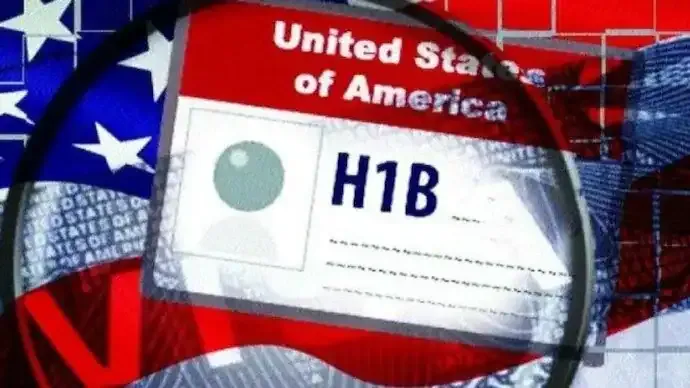
The United States has quietly expanded social media screening for skilled worker visas, leading to a growing number of H-1B applicants being issued 221(g) slips instead of receiving immediate approvals or rejections.
The updated vetting process came into effect on December 15, with early applicants already reporting delays, passport retention and cases being placed under administrative processing. Several accounts shared on social media platforms suggest that US consulates are now scrutinising applicants’ online activity more closely before granting visas.
One such case was reported by an H-1B renewal applicant who attended his interview at the US Consulate in Chennai on the first day of the new policy. According to his account, the interview process initially followed standard procedures, including security checks, fingerprinting and basic employment-related questions.
However, the focus soon shifted to social media activity. Applicants were reportedly asked whether all their social media profiles were set to public and whether they actively followed news or current affairs. Soon after, several applicants were handed a white 221(g) slip, indicating that their cases required additional review.
Instead of a visa approval, applicants were informed that their cases had been placed under administrative processing. In many instances, passports were retained by the consulate, and the Consular Electronic Application Center (CEAC) website showed the application status as “REFUSED,” a temporary label commonly used during 221(g) reviews.
What a 221(g) Slip Means
A 221(g) slip is not a visa denial. Issued under Section 221(g) of the US Immigration and Nationality Act, it indicates that the consular officer needs additional time or information before making a final decision.
Applicants may receive different coloured slips depending on the situation. A white 221(g) slip typically means that no immediate action is required from the applicant and that the case is undergoing further internal review. Processing timelines can range from a few days to several months, depending on the nature of the checks involved.
If documents are requested, applicants are generally given up to one year to submit the required information.
Social Media Screening Expanded to Skilled Workers
Until recently, mandatory social media checks primarily applied to student and exchange visitor visas under the F, M and J categories. Under the expanded policy, H-1B visa holders and their H-4 dependents are now also subject to online activity reviews.
The US State Department has instructed applicants to ensure that their social media accounts are set to public to facilitate the vetting process. Officials have said the move is part of a broader effort to strengthen national security screening across visa categories.
Applicants have also reported inconsistent timelines across consulates. In one instance, an H-4 applicant initially saw her visa marked as “REFUSED” before the status later changed to “APPROVED,” highlighting the uncertainty surrounding the rollout of the new checks.
So far, the State Department has not issued clear guidance on how long the additional administrative processing may take, raising concerns among applicants about travel delays, work disruptions and prolonged uncertainty.



Conversation
Be kind and stay on topic. Comments are moderated; abuse, spam and personal attacks are removed. Report a problem