

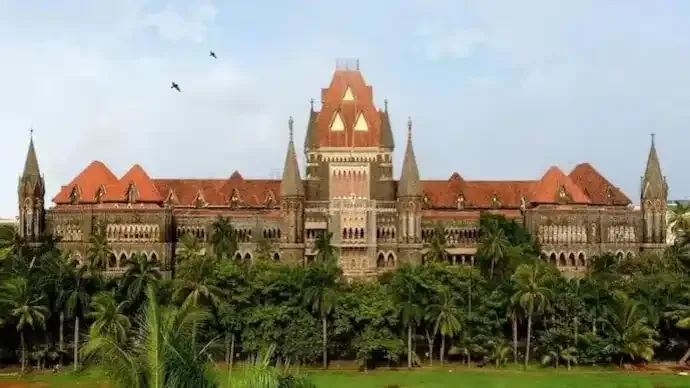

A petition has been filed in the Bombay High Court challenging the Maharashtra government’s decision to cancel the 5 percent reservation previously granted to sections of the Muslim community in education and public employment. The plea argues that the move is unconstitutional and adversely affects socially and educationally backward groups.
The petition was submitted by advocate Syed Ejaz Abbas Naqvi, who challenged the government resolution issued on February 17 by the Department of Social Justice and Special Assistance. The resolution revoked earlier provisions that allowed reservation benefits for certain Muslim groups classified under the Socially and Educationally Backward Classes (SEBC) category.
Challenge to constitutional principles
According to the plea, the state’s decision violates constitutional guarantees of equality, social justice, and fraternity. The petitioner argues that removing the quota undermines protections meant for disadvantaged communities and disrupts the constitutional commitment to support vulnerable groups.

The plea describes the move as discriminatory and contends that it lacks a clear and rational basis. It further claims that the cancellation affects historically disadvantaged sections within the Muslim community who relied on the quota for access to education and employment opportunities.
Demand for stay and data disclosure
The petition seeks to quash the February 17 resolution and requests an interim stay on its implementation until the matter is fully heard. It also asks the court to direct the state government to present data assessing the socio-economic conditions of the affected communities.
The petitioner has requested the government to disclose quantified evidence supporting its decision and to explain the rationale for withdrawing the reservation benefits.
Background of the quota policy
The plea recalls that in July 2014, the then state government introduced 16 percent reservation for the Maratha community and 5 percent reservation for Muslims in education and government jobs under the SEBC category.
The policy faced legal challenges, and the High Court later struck down the quota in government jobs but allowed the 5 percent reservation in educational institutions for the Muslim community to continue.
The recent resolution cancels earlier decisions and circulars issued since 2014, effectively ending the quota benefits. It also stops the issuance of caste and non-creamy layer certificates for Muslims under the Special Backward Category (A).
Legal and social implications
The plea argues that withdrawing the reservation without sufficient justification harms the interests of socially and educationally backward groups and could limit their access to educational and employment opportunities.
The case is expected to raise important questions about reservation policy, constitutional safeguards, and the criteria used to identify and support disadvantaged communities.
The High Court is likely to examine whether the state’s decision aligns with constitutional provisions and established legal principles governing affirmative action policies.







Conversation
Be kind and stay on topic. Comments are moderated; abuse, spam and personal attacks are removed. Report a problem