

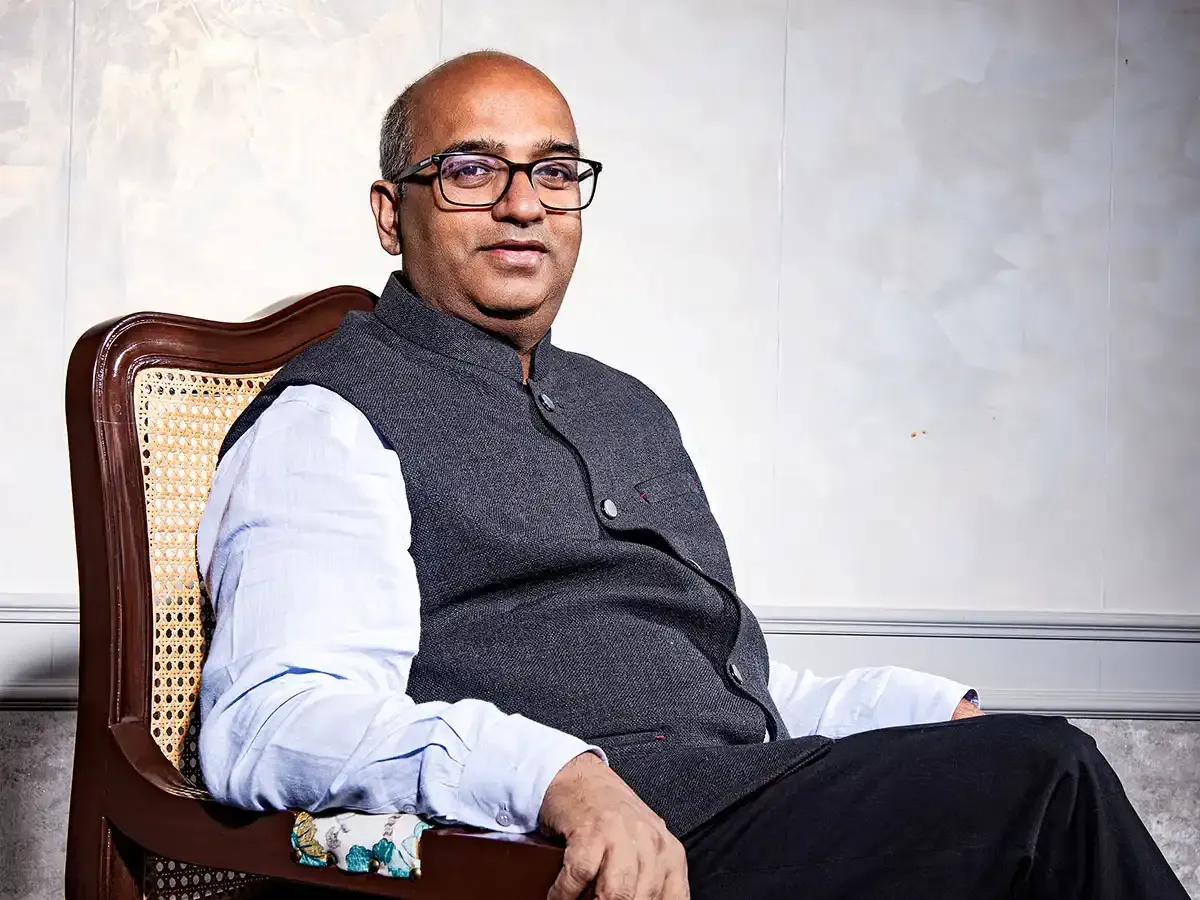

India is rapidly strengthening its position in the global artificial intelligence landscape and is closing the gap with leading AI powers such as the United States and China, according to IndiaAI Mission CEO Abhishek Singh. Speaking after the AI Impact Summit in New Delhi, Singh highlighted India’s growing influence in AI innovation, investments, and public digital infrastructure.
He described the current phase as a “Digital India moment” for youth and startups, noting that the country’s technology ecosystem is witnessing unprecedented momentum. With increasing global attention and capital inflows, India is positioning itself as a key player in the next wave of AI-driven transformation.
India’s rising global AI presence
Singh said the summit reaffirmed India’s placement on the global AI map. He emphasised that India is not only adopting artificial intelligence but actively building indigenous capabilities. Emerging AI models such as Sarvam and Bharat GPT demonstrate the country’s growing technical expertise and commitment to self-reliance.

He noted that global investments are flowing into India’s AI ecosystem, driven by its large talent pool, digital infrastructure, and expanding startup ecosystem.
A digital opportunity for youth and startups
According to Singh, artificial intelligence presents a generational opportunity for India’s young population. Startups are developing AI solutions across sectors, including healthcare, agriculture, financial services, and governance.
He stressed that India’s digital public infrastructure — including identity systems, digital payments, and data platforms — provides a strong foundation for building scalable AI solutions that can serve millions.
This ecosystem, he said, is enabling entrepreneurs to create impactful products while ensuring accessibility and affordability.
Clarification on the robo-dog controversy
Addressing the controversy surrounding a robotics exhibit at the summit, Singh clarified that the issue stemmed from misleading claims rather than the technology itself. He stated that the stall was cancelled after the company incorrectly presented the product as indigenous.
He underscored the importance of transparency and authenticity in showcasing innovations, especially when promoting domestic technological capabilities.
Human-centric AI and language inclusion
Singh outlined India’s “Manav” approach to AI development, which focuses on human-centric and inclusive applications. He emphasised that AI solutions must support Indian languages and improve service delivery in critical sectors such as healthcare and agriculture.
By prioritising linguistic diversity and accessibility, India aims to ensure that AI benefits reach rural communities and underserved populations.
Future ambitions: global AI and chip design hub
Looking ahead, Singh expressed confidence that India could become a global hub for AI transformation and semiconductor design in the coming years. With policy support, talent development, and private sector participation, the country is building an ecosystem capable of supporting advanced computing and AI innovation.
He concluded that India’s approach combines technological ambition with inclusivity, positioning the country to play a defining role in the future of artificial intelligence.






Conversation
Be kind and stay on topic. Comments are moderated; abuse, spam and personal attacks are removed. Report a problem