

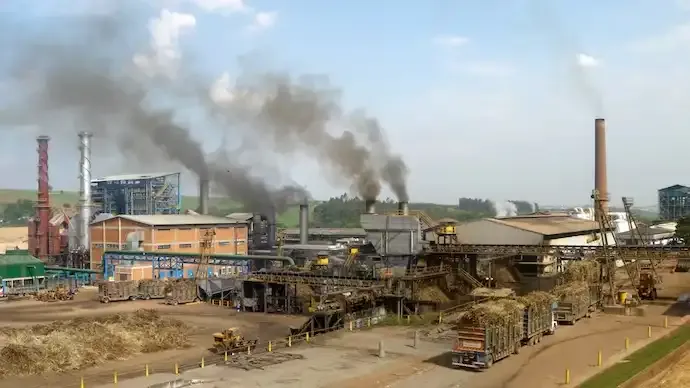

India's nationwide rollout of 20% ethanol-blended petrol (E20) has sparked widespread debate over reduced fuel efficiency and vehicle compatibility. While the government continues to cite Brazil as a successful example of ethanol adoption, experts argue that the two countries followed vastly different paths.
Brazil spent decades gradually building an ecosystem of flex-fuel vehicles, supportive infrastructure and consumer choice before making higher ethanol blends the norm. India, on the other hand, achieved its E20 target five years ahead of schedule, leaving many motorists concerned about whether their vehicles are fully prepared for the transition.
India accelerates E20 rollout amid growing concerns
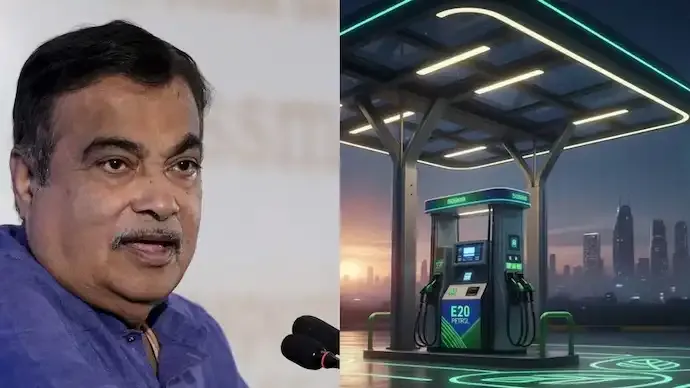
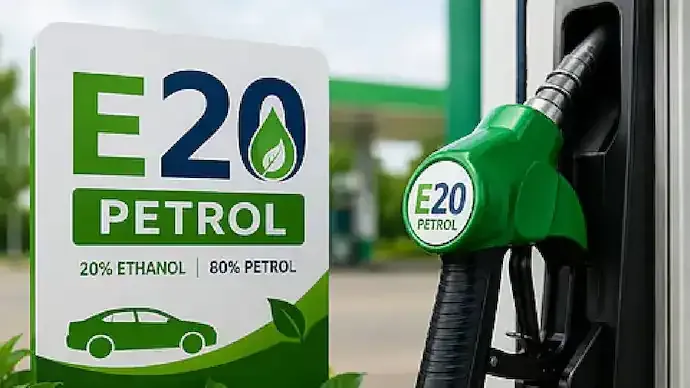
The Centre made E20 petrol mandatory across the country in 2025, advancing its original target by five years. While the move is aimed at reducing crude oil imports, supporting farmers and lowering carbon emissions, vehicle owners have increasingly reported concerns over declining mileage and possible long-term engine wear.

The government has defended the programme, pointing to Brazil's successful ethanol transition as proof that higher ethanol blending can work effectively.
However, critics argue that India's implementation has been significantly faster than Brazil's gradual evolution.
Brazil's ethanol journey took over four decades
Brazil's ethanol programme dates back to 1931, but it gained real momentum after the 1973 global oil crisis, when the country launched its National Alcohol Programme (Pro-Alcool) in 1975.
Rather than rapidly replacing conventional petrol, Brazil gradually increased ethanol blending while simultaneously encouraging automobile manufacturers to develop ethanol-compatible engines.
Key milestones included:
- 1931: Mandatory 5% ethanol blending introduced.
- 1975: National Alcohol Programme launched.
- 1979: Fiat introduced the world's first mass-produced E100 ethanol-powered car.
- 2003: Flex-fuel vehicles entered the market.
- 2015: Regular petrol reached E27 ethanol blending.
This phased transition gave consumers, fuel retailers and automakers sufficient time to adapt.
Flex-fuel vehicles transformed Brazil's market
One of Brazil's biggest advantages was the widespread adoption of flex-fuel vehicles.
Unlike conventional engines, flex-fuel technology automatically adjusts engine settings to run on different ethanol-petrol combinations, allowing drivers to choose between:
- E27 petrol
- Pure ethanol (E100)
- Any mixture of the two fuels
This flexibility gave motorists the freedom to select fuel based on cost rather than worrying about vehicle compatibility.
Today, nearly every new passenger vehicle sold in Brazil is flex-fuel compatible.
India's transition has been much faster
India's ethanol blending programme began with 5% blending in 2006, followed by:
- E10 introduced nationwide in 2022
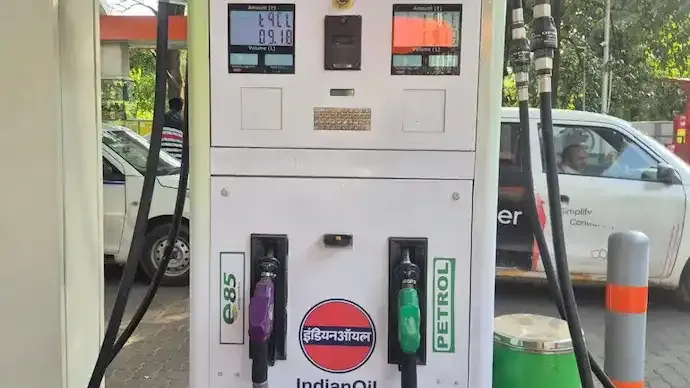
- E20 made mandatory from April 2025
However, the rapid rollout has raised concerns because a large share of vehicles on Indian roads were originally designed for lower ethanol blends.
Reports cited in the article note that around 80% of vehicles on Indian roads were not E20 compatible as recently as 2024, while E20-compatible vehicles officially entered the market only in 2023.
Lack of consumer choice remains a concern
Unlike Brazil, where motorists can choose between ethanol-rich fuels and conventional blends, Indian consumers currently have limited options.
Many motorists driving older E10-compatible vehicles now have little choice but to use E20 petrol, despite concerns over reduced mileage and engine performance.
Protesters have clarified that they are not opposed to ethanol blending itself but believe suitable fuel options should remain available for older vehicles until the automotive fleet gradually transitions.
Brazil offers lessons beyond ethanol blending
Brazil's success was driven not only by higher ethanol content but also by supportive government policies.
The country introduced:
- Tax incentives for ethanol vehicles
- Subsidies for ethanol production
- Nationwide ethanol infrastructure
- Gradual increases in blending percentages
- Consumer choice through flex-fuel technology
India's own NITI Aayog had earlier recommended a phased approach, including incentives and price adjustments to improve consumer acceptance while allowing the automobile industry sufficient time to adapt.
Can India replicate Brazil's success?
Brazil demonstrates that successful energy transitions require more than policy mandates.
Its ethanol programme evolved over several decades, allowing manufacturers, retailers and consumers to adjust together.
India has made remarkable progress in expanding ethanol blending, but experts suggest that future phases may require:
- Faster adoption of flex-fuel vehicles
- Wider consumer choice
- Improved fuel infrastructure
- Financial incentives for compatible vehicles
- A more gradual transition for legacy vehicles
Balancing environmental goals with consumer readiness could ultimately determine the long-term success of India's ethanol blending programme.
Key Highlights
- India achieved mandatory E20 petrol rollout in 2025, five years ahead of schedule.
- Brazil took over four decades to transition to high ethanol blends.
- Brazil's success was supported by flex-fuel vehicles and consumer choice.
- Most Indian vehicles were not E20 compatible until recently.
- Motorists have raised concerns over reduced mileage and compatibility.
- Experts believe India's transition could benefit from Brazil's gradual approach.
FAQs
Why is India promoting E20 petrol?
The government aims to reduce crude oil imports, support sugarcane farmers, lower emissions and improve energy security through increased ethanol blending.
How is Brazil's ethanol programme different from India's?
Brazil gradually increased ethanol blending over several decades while simultaneously developing flex-fuel vehicles and offering motorists multiple fuel options.
What are flex-fuel vehicles?
Flex-fuel vehicles can automatically operate on petrol, ethanol or any blend of the two without requiring engine modifications.
Why are some Indian motorists concerned about E20?
Many vehicle owners report reduced fuel efficiency and worry that older vehicles designed for E10 petrol may not perform optimally with E20.
Can India adopt Brazil's model?
Experts believe India can learn from Brazil by expanding flex-fuel vehicle adoption, improving infrastructure and allowing consumers greater fuel choice during the transition.






Conversation
Be kind and stay on topic. Comments are moderated; abuse, spam and personal attacks are removed. Report a problem