China Welcomes Year of the Horse with Fireworks and Humanoid Robots

China Welcomes Year of the Horse with Fireworks and Humanoid Robots

China ushered in the Lunar New Year with vibrant celebrations that blended centuries-old traditions with cutting-edge technology, marking the arrival of the Year of the Horse. From crowded temple fairs and midnight prayers to humanoid robot performances on national television, festivities reflected both cultural heritage and modern innovation.

In Beijing, thousands of visitors gathered at the historic Temple of Earth fair, where families browsed stalls selling traditional snacks, toys and festive decorations. The lively atmosphere drew residents and tourists alike, many describing the celebrations as a return to the vibrant holiday spirit of earlier decades.

Temples across the capital saw long lines of worshippers offering incense and prayers for prosperity, happiness and success in the coming year. The Lunar New Year remains the most important annual festival in China and is widely celebrated across East Asia and Chinese communities worldwide.

Technology took centre stage during the annual Spring Festival Gala broadcast on state television, one of the most-watched programmes in the world. This year’s show featured humanoid robots performing alongside children in a martial arts routine. Developed by Unitree Robotics, the machines demonstrated synchronised movements and even simulated sword routines, showcasing China’s rapid advancements in artificial intelligence and robotics.

While many viewers praised the performance as a symbol of technological progress and inspiration for younger generations, others felt the modern display slightly diminished the traditional festive atmosphere.

In Hong Kong, devotees gathered at temples just before midnight, lighting incense and making wishes for the new year. The ritual, performed annually, symbolises renewal and hope for prosperity.

Celebrations extended beyond China’s borders. In Vietnam, where the festival is known as Tet, fireworks illuminated city skylines as crowds attended outdoor concerts and countdown events. Light shows decorated bridges and skyscrapers while live music performances accompanied the festivities.

In Moscow, Lunar New Year events transformed streets with red lanterns and dragon decorations, while visitors sampled Chinese cuisine and cultural performances. The celebrations coincided with strengthening cultural ties between China and Russia.

Taipei marked the occasion with traditional rituals, including the ringing of a temple bell 108 times — an auspicious number in Buddhist tradition — as worshippers offered incense and flowers for blessings.

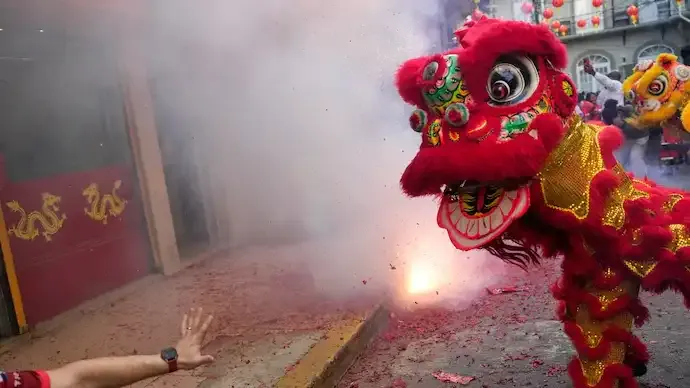
Across the globe, Chinese diaspora communities also celebrated the festival. In Buenos Aires, thousands gathered in Chinatown for dragon dances and martial arts displays, reflecting the vibrant presence of the Chinese community in Argentina. Meanwhile, New York City hosted its annual Firecracker Ceremony and Cultural Festival, featuring lion dances and traditional performances intended to ward off evil spirits.

The Lunar New Year celebrations highlighted a unique blend of tradition and innovation, symbolising renewal, cultural continuity and the evolving role of technology in modern festivities.

Prev Article
Trump Announces $550 Billion US-Japan Trade Deal and Major Investments
Next Article
US Deploys 50+ Fighter Jets to Middle East Amid Iran Nuclear Talks

Related to this topic: