

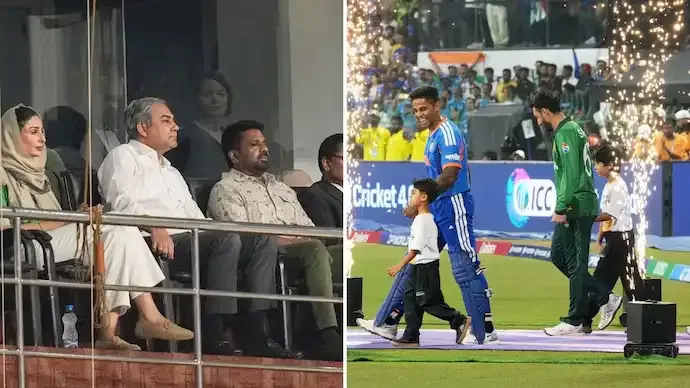

Pakistan Cricket Board chairman Mohsin Naqvi has credited Sri Lankan President Anura Kumara Dissanayake as the key figure behind Pakistan’s decision to reverse its proposed boycott and play against India during the ongoing ICC Men’s T20 World Cup 2026.
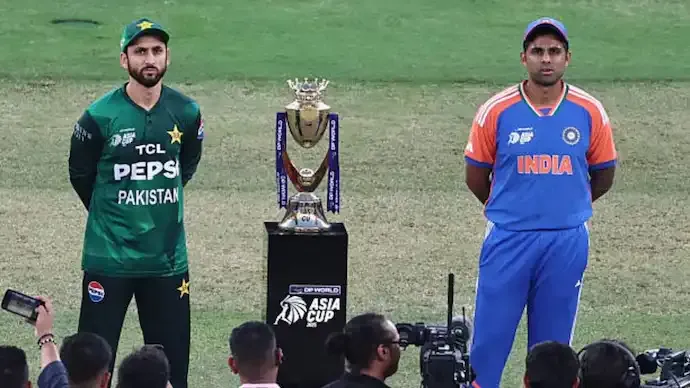
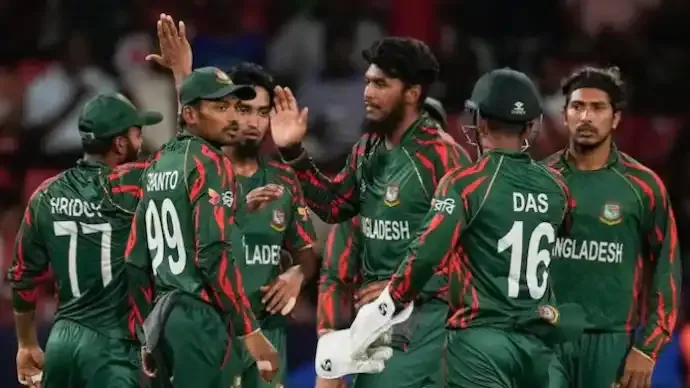
Pakistan had earlier indicated it would boycott the high-profile match against India in solidarity with Bangladesh, which had declined to travel for fixtures scheduled in India. The situation raised concerns among cricket administrators and fans, given the global significance of India–Pakistan matches.
The standoff was resolved on February 9 following extensive discussions involving the Pakistan Cricket Board (PCB), the Bangladesh Cricket authorities and the International Cricket Council (ICC). According to Naqvi, Sri Lankan President Dissanayake personally intervened by contacting Pakistan’s Prime Minister Shehbaz Sharif, urging that the match go ahead.

Naqvi later met Dissanayake and expressed gratitude for his role, saying the decision allowed billions of cricket fans worldwide to witness the contest. He conveyed greetings from Pakistan’s leadership and described the Sri Lankan president’s intervention as decisive in resolving the issue.
He stated that once the call was received, Pakistan’s leadership directed the PCB to proceed with the match, bringing an end to the uncertainty.
High-stakes match draws global attention
India–Pakistan cricket matches are among the most watched sporting events globally, often drawing audiences in the billions. The potential boycott had sparked widespread debate about politics intersecting with sport and the implications for international tournaments.
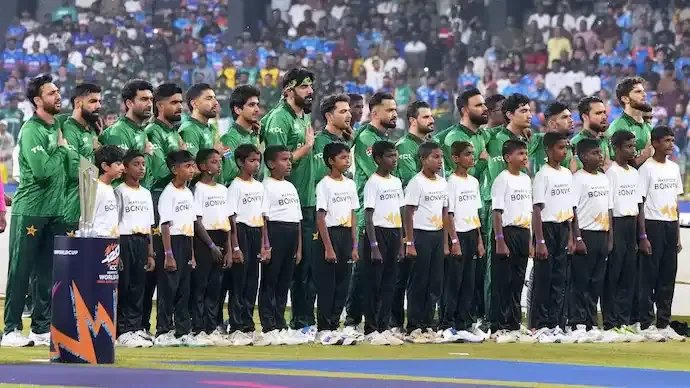
The match eventually took place in Colombo, ensuring the tournament schedule remained intact and preserving one of cricket’s most anticipated rivalries.
India defeat Pakistan in Colombo clash
On the field, the contest proved challenging for Pakistan. Powered by a fluent 77 from Ishan Kishan, India posted a competitive total of 175 on a tricky pitch at the R. Premadasa Stadium.
India’s bowlers then delivered a disciplined performance to dismantle Pakistan’s batting lineup. The defeat left Pakistan facing pressure in the group stage, making their subsequent match against Namibia crucial for qualification hopes.
Diplomacy and cricket intersect
Naqvi’s remarks highlight how diplomatic engagement can influence sporting events, particularly in regions where cricket carries deep political and cultural significance.
Observers note that the intervention underscores the role of regional diplomacy in ensuring sporting continuity and maintaining goodwill among participating nations.
As the tournament progresses, the episode serves as a reminder of cricket’s power to unite audiences across borders, even amid geopolitical tensions.





Conversation
Be kind and stay on topic. Comments are moderated; abuse, spam and personal attacks are removed. Report a problem