

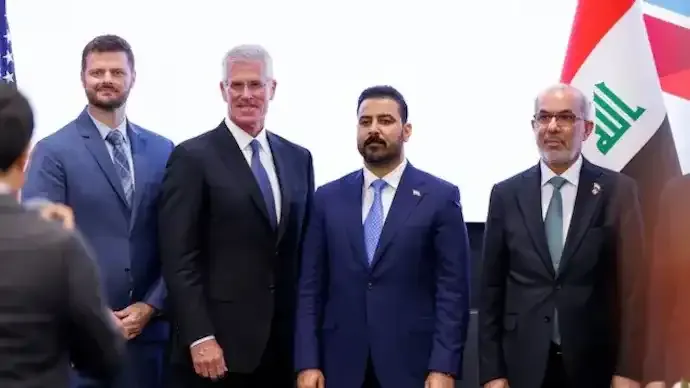

Iraq has signed more than $60 billion worth of energy agreements with leading US companies as part of a major push to strengthen economic ties with Washington and diversify its oil export infrastructure.
The agreements, signed during the US-Iraq Business Summit at the US Chamber of Commerce, cover investments in oil fields, natural gas projects, pipelines, healthcare and technology.
A key objective of the initiative is to reduce Iraq's dependence on the Strait of Hormuz, one of the world's busiest oil shipping routes, amid growing regional security concerns.

Iraq Opens Doors to Foreign Investment
Speaking at the summit, Iraqi Prime Minister Ali al-Zaidi said his government is pursuing an "open-door policy" to attract international investors.
He stated that Iraq is committed to making it easier for companies to invest in the country's energy sector and infrastructure projects, encouraging businesses with viable proposals to participate in Iraq's economic development.
The agreements signed during the summit are non-binding memorandums of understanding (MoUs) and preliminary cooperation deals valued at more than $60 billion.
Chevron to Explore New Oilfields and Pipeline
Energy giant Chevron signed agreements aimed at advancing its potential participation in Iraq's West Qurna 2 and Nassiriya oilfields.
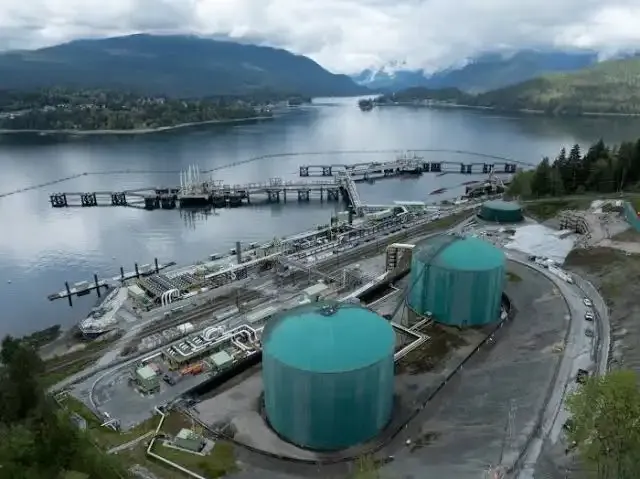
The company also plans to invest in a new pipeline designed to bypass the Strait of Hormuz.
According to Chevron, the proposed pipeline could transport Iraqi crude oil to Syria's Mediterranean coast, creating an alternative export route that reduces reliance on the strategically important waterway.
Reducing Dependence on the Strait of Hormuz
The Strait of Hormuz is a critical global energy corridor through which roughly 20% of the world's oil and natural gas is typically transported.
Regional tensions, including the recent conflict involving Iran, have highlighted the vulnerability of this shipping route and disrupted Iraq's energy exports.
By developing alternative pipeline infrastructure, Iraq hopes to improve energy security and ensure more reliable access to international markets.
ConocoPhillips Expands Presence in Iraq
US energy company ConocoPhillips also announced an agreement to acquire a 42% stake in BP Energy of Kirkuk Ltd.
The partnership with BP will focus on redeveloping four producing oilfields in northern Iraq.
BP Chief Executive Meg O'Neill described Iraq as a country with enormous resource potential, saying the collaboration would strengthen both Iraqi and global energy security.
ConocoPhillips CEO Ryan Lance said the company plans to bring advanced technology, expertise and investment to support Iraq's long-term energy development.
Strategic Cooperation With the United States
The agreements come as Iraq seeks to deepen strategic and economic cooperation with the United States.
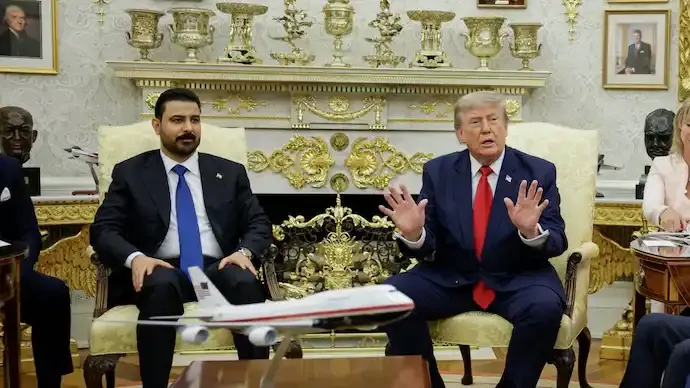
During his five-day visit to America, Prime Minister Ali al-Zaidi also met US President Donald Trump at the White House.
Trump said the two countries are expected to expand economic cooperation through additional investment and business agreements that could create jobs in both nations.
US envoy Tom Barrack described Iraq as an increasingly important strategic partner amid shifting geopolitical dynamics in the Middle East.
A Major Boost for Iraq's Energy Future
The latest agreements represent one of Iraq's largest recent efforts to attract foreign investment into its energy sector.
If implemented, the projects could enhance production capacity, diversify export routes and strengthen Iraq's position as one of the world's leading oil producers while reducing exposure to regional supply disruptions.
Key Highlights
- Iraq signed over $60 billion worth of agreements with US companies during a business summit in Washington.
- The deals include investments in oil, gas, pipelines, healthcare and technology.
- Chevron plans to explore Iraq's West Qurna 2 and Nassiriya oilfields.
- A proposed pipeline aims to bypass the Strait of Hormuz by exporting oil through Syria's Mediterranean coast.
- ConocoPhillips will acquire a 42% stake in BP Energy of Kirkuk Ltd.
- The agreements strengthen economic cooperation between Iraq and the United States.
FAQs
Why did Iraq sign energy agreements with US companies?
Iraq aims to attract foreign investment, expand energy production and develop alternative oil export routes that reduce dependence on the Strait of Hormuz.
How much are the agreements worth?
The memorandums of understanding and preliminary agreements signed during the US-Iraq Business Summit are valued at more than $60 billion.
Which companies are involved?
Major US energy companies involved include Chevron and ConocoPhillips, alongside several firms from the healthcare and technology sectors.
Why is the Strait of Hormuz important?
The Strait of Hormuz is one of the world's most important energy shipping routes, carrying around 20% of global oil and natural gas supplies.
What is Chevron planning in Iraq?
Chevron plans to explore opportunities in the West Qurna 2 and Nassiriya oilfields and invest in a pipeline that would allow Iraqi oil exports to bypass the Strait of Hormuz.







Conversation
Be kind and stay on topic. Comments are moderated; abuse, spam and personal attacks are removed. Report a problem