

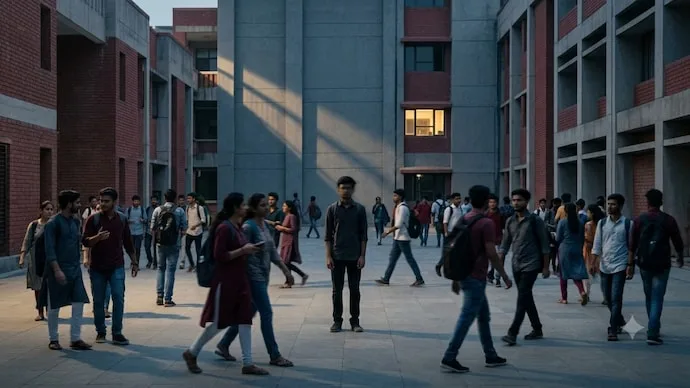

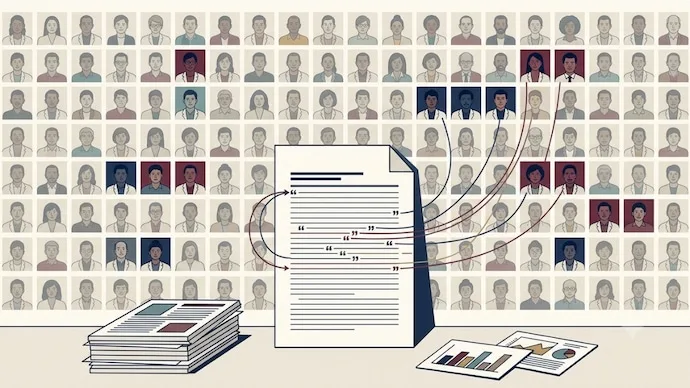
The IIT student suicide data compiled from Right to Information (RTI) responses and media reports records at least 171 student suicides and unnatural deaths across Indian Institutes of Technology (IITs) between 2006 and September 2026. The figures, compiled by IIT Kanpur alumnus Dheeraj Singh, founder of the Global IIT Alumni Support Group, highlight possible patterns involving campus locations, examination periods and reported differences across caste categories.
The compilation is not a centralised official database, and its findings require careful interpretation and independent verification. However, the absence of a comprehensive, publicly accessible database raises questions about how student deaths are documented and how institutions assess the effectiveness of their mental-health support systems.
According to the compilation, 51 deaths were recorded between 2006 and 2015. The number increased to 120 between 2016 and September 2026. In the latest five-year period covered, from September 2021 to September 2026, the dataset records 74 deaths.

Most Recorded Suicides Occurred on Campus
Singh’s analysis estimates that approximately 82% of the recorded suicides occurred within IIT campuses. While the location of a death does not establish its cause, the reported pattern raises questions about how effectively institutions identify distress, respond to warning signs and make professional help accessible to students.
Understanding the circumstances behind individual deaths requires reliable case-level information and careful investigation. Campus location alone cannot establish whether academic pressure, personal circumstances or other factors contributed to a death.
Examination and Result Periods Under Scrutiny
The compilation identifies a reported pattern of deaths increasing during examination and result periods and declining during semester breaks. It also records a sharp reduction during the Covid-19 lockdown years of 2020 and 2021, when regular classes and examinations were disrupted.
These patterns warrant further examination, but they do not establish that examinations or results caused individual deaths. If the monthly trends are confirmed through a consistent dataset, institutions could use the findings to assess whether counselling, faculty outreach and crisis-response services are sufficiently available during demanding academic periods.
Reported SC/ST Disparities Require Verification
One of the most concerning findings concerns differences across caste categories. Singh’s analysis estimates that SC and ST students died by suicide at roughly twice the rate of General-category students during the period examined. It also suggests that SC and ST students died at younger ages than their General and OBC counterparts.
The analysis reports that the suicide death rate among SC students reached 2.6 times its pre-pandemic level after Covid-19, while the corresponding figure for ST students was 4.2 times the pre-pandemic level.
These estimates require independent verification, including clarity on the student population denominators, periods compared and calculation methods. They do not establish caste as the cause of individual deaths, but they raise questions about whether different student groups experience unequal pressures or barriers to support.
Undergraduate and Doctoral Students Also Feature in the Data
Singh’s compilation identifies male BTech students and female PhD scholars as collectively accounting for around 60% of recorded suicides. However, determining whether these groups face a higher risk requires comparisons with enrolment figures by gender, degree level and year.
The distinction matters because undergraduate students and doctoral researchers may encounter different academic, social and professional pressures. Support systems need to be accessible to students across these different stages of education.
The compilation also identifies hanging as the reported method in around 70% of recorded suicides. This finding underscores the importance of evidence-based prevention measures, safer campus environments and timely intervention when warning signs emerge.
What the Findings Mean for Campus Mental Health
The figures, highlighted around World Mental Health Day on October 10, raise important questions about the availability and effectiveness of mental-health support across IIT campuses.
A more transparent and consistent system for recording student deaths could help institutions and policymakers understand emerging patterns, evaluate prevention measures and identify gaps in support. Accessible professional counselling, trusted reporting channels, trained faculty and hostel staff, and timely referrals to mental-health professionals are important elements of a comprehensive response.
The compilation cannot explain every death or establish a single cause behind the figures. Its reported patterns should instead prompt careful verification, institutional accountability and sustained efforts to make student support systems more responsive.
- Indian Institutes of Technology — Ministry of Education
- National Tele Mental Health Programme — Tele-MANAS






Conversation
Be kind and stay on topic. Comments are moderated; abuse, spam and personal attacks are removed. Report a problem