Iran Regime Stable Despite US-Israel Strikes, Intelligence Assessments Say

Iran Regime Stable Despite US-Israel Strikes, Intelligence Assessments Say

Intelligence assessments suggest that Iran’s political leadership remains stable and firmly in control despite ongoing military strikes carried out by the United States and Israel over the past two weeks. According to officials familiar with intelligence reports, the Iranian government continues to maintain authority and public order despite the escalation in hostilities.

Multiple intelligence sources have indicated that current assessments do not suggest any immediate threat to the survival of the Iranian leadership. The reports suggest that the political structure in Iran remains functional and capable of maintaining internal control even as the country faces sustained external pressure.

Analysts reviewing intelligence findings say that a wide range of reports from different agencies have reached a similar conclusion. These assessments indicate that the Iranian leadership retains control over domestic institutions and continues to exercise authority over the country’s population.

The strikes conducted by the United States and Israel were intended to weaken military capabilities and strategic infrastructure linked to Iran’s defence and regional operations. However, intelligence officials believe these attacks have not significantly destabilised the country’s governing structure.

Iran’s political system is built around strong central institutions and leadership networks that have historically demonstrated resilience during periods of external pressure and conflict. Observers say this structure makes rapid political collapse unlikely even during sustained military confrontation.

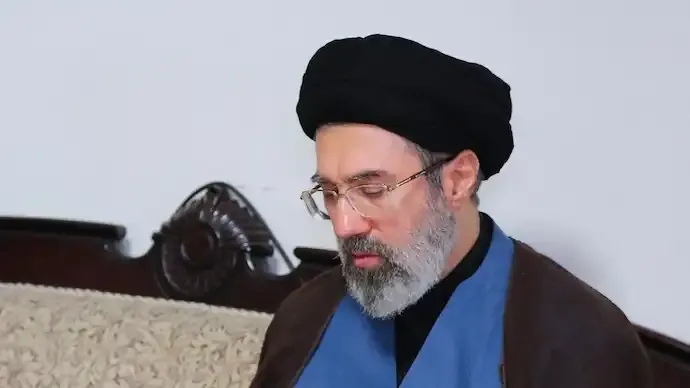
The country’s leadership hierarchy remains intact, with key figures continuing to direct state operations and security structures. Among the prominent figures within the leadership framework is Mojtaba Khamenei, who is widely viewed as an influential figure within Iran’s political establishment.

Experts note that regime stability often depends not only on external military pressure but also on internal factors such as political unity, institutional loyalty and public support. Current intelligence assessments suggest that these elements remain largely intact in Iran.

Despite the ongoing strikes, the government continues to maintain control over security forces, administrative institutions and communication networks across the country. This control plays a crucial role in preventing internal unrest or instability during times of crisis.

The findings complicate expectations that military strikes alone could quickly end the conflict or lead to immediate political changes in Iran. Intelligence analysts believe that even prolonged external pressure may not necessarily result in rapid regime change.

The situation remains fluid, and global observers continue to monitor developments in the region as tensions between Iran, Israel and the United States persist. Diplomatic efforts and international pressure are also expected to influence how the conflict evolves in the coming weeks.

For now, intelligence reports indicate that Iran’s leadership structure remains operational and stable despite the ongoing military confrontation, suggesting that the conflict may continue for an extended period.

Prev Article
Iran War: Bahrain’s Bapco Declares Force Majeure After Missile Strike
Next Article
What Are Sea Mines? Why Iran Is Planting Them Near Strait of Hormuz

Related to this topic: