

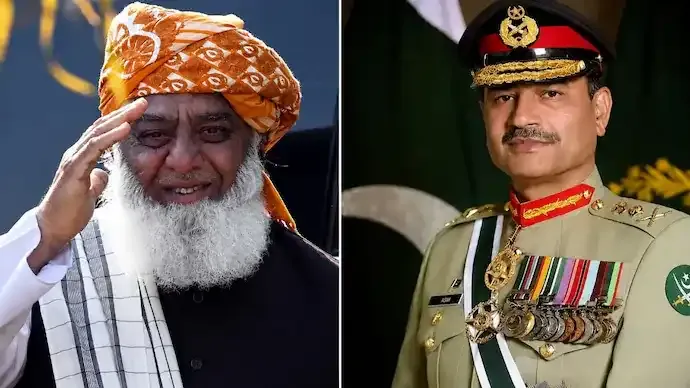

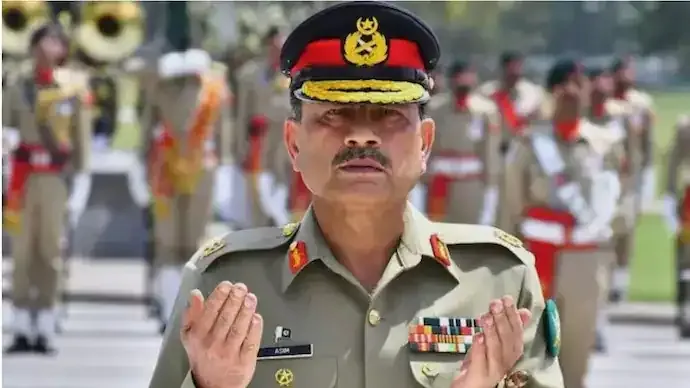
Veteran Pakistani Islamist politician Maulana Fazlur Rehman has once again found himself at the centre of the country's political debate after openly challenging Field Marshal Asim Munir, Pakistan's most powerful military leader.
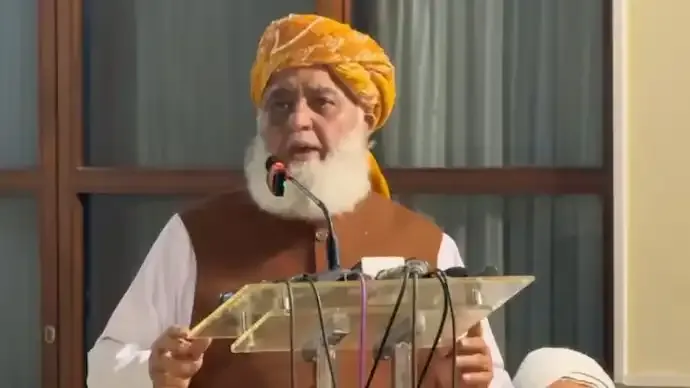
Addressing a public gathering, the chief of the Jamiat Ulema-e-Islam (Fazl) (JUI-F) urged Munir to step away from military leadership if he wished to participate in politics.
His remarks have reignited discussions about the Pakistani military's long-standing influence over the country's political system and highlighted Rehman's role as one of the few senior political leaders willing to publicly criticise the military establishment.

Who Is Maulana Fazlur Rehman?
Born on June 19, 1953, in Dera Ismail Khan, Maulana Fazlur Rehman is the son of prominent Islamic scholar and politician Mufti Mahmud, founder of the Jamiat Ulema-e-Islam.
Following his father's death in 1980, Rehman assumed leadership of the party, which later split into two factions:
- JUI-F (Fazl) led by Maulana Fazlur Rehman.
- JUI-S led by Sami-ul-Haq.
Rehman entered Pakistan's National Assembly in 1988 and has since served multiple terms as a parliamentarian.
His party enjoys significant influence in Khyber Pakhtunkhwa and Balochistan, particularly through an extensive network of religious seminaries and grassroots organisations.
In Pakistan's 2024 general election, the JUI-F secured 11 National Assembly seats.
Known for Pro-Taliban Views
Maulana Fazlur Rehman has long been regarded as one of Pakistan's most influential Islamist leaders.
Over the years, he has:
- Advocated greater implementation of Sharia law in Pakistan.
- Maintained close political and religious ties with the Afghan Taliban.
- Called for international recognition of the Taliban-led government in Afghanistan.
- Opposed the US-led invasion of Afghanistan after 2001.
- Encouraged diplomatic engagement between Pakistan and Afghanistan despite recent tensions.
Although he supports the implementation of Islamic law, Rehman has publicly rejected the use of armed violence to impose Sharia, arguing that extremism damages both religion and society.
His Challenge to Asim Munir
Rehman's latest remarks directly questioned the military's growing role in Pakistan's political affairs.
He argued that if military leaders wish to influence politics, they should resign from the armed forces and seek public support through elections rather than exercising influence while in uniform.
The comments are widely viewed as one of the strongest public challenges to Pakistan's military establishment by a senior mainstream political leader.
From Ally to Critic
Ironically, Rehman played a significant role in the political developments that ultimately helped reshape Pakistan's current power structure.
As president of the Pakistan Democratic Movement (PDM), he helped unite opposition parties against former Prime Minister Imran Khan, leading to the successful no-confidence motion in 2022 that removed Khan from office.
That political transition paved the way for the appointment of Asim Munir as Pakistan's Chief of Army Staff later that year.
However, relations between Rehman and Pakistan's ruling coalition gradually deteriorated over policy differences, and he eventually returned to the opposition.
Since then, he has increasingly criticised the military's influence over governance, particularly its handling of Afghanistan and the security situation in Balochistan.
Criticism of Pakistan's Security Policies
Rehman has repeatedly questioned Pakistan's military strategy toward Afghanistan, including cross-border operations against militant groups.
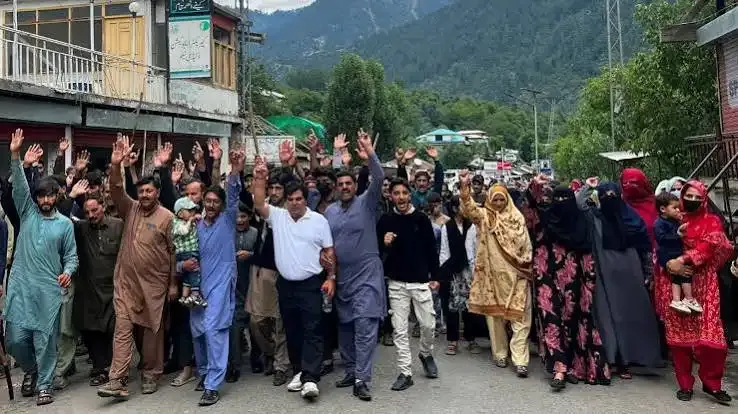
He has also claimed that the Pakistani government has struggled to maintain effective control in parts of Balochistan, where separatist violence and insurgency have remained major security challenges.
His latest criticism reflects broader concerns among some political leaders about the military's expanding role beyond national defence.
A Powerful Religious and Political Voice
Despite political ups and downs, Maulana Fazlur Rehman remains one of Pakistan's most influential religious politicians.
His combination of parliamentary experience, religious authority and grassroots support continues to give him significant political weight.
With his latest challenge to Asim Munir, Rehman has once again placed civil-military relations at the centre of Pakistan's political discourse.
Key Highlights
- Maulana Fazlur Rehman has publicly challenged Pakistan Army chief Field Marshal Asim Munir.
- The JUI-F leader urged Munir to leave the military and contest elections if he wishes to engage in politics.
- Rehman is one of Pakistan's most influential Islamist politicians and is known for his pro-Taliban stance.
- He helped lead the opposition movement that resulted in Imran Khan's removal from power in 2022.
- Rehman has increasingly criticised the Pakistani military's role in politics and national security.
FAQs
Who is Maulana Fazlur Rehman?
Maulana Fazlur Rehman is the chief of Pakistan's Jamiat Ulema-e-Islam (Fazl) and one of the country's most influential Islamist political leaders.
Why is Maulana Fazlur Rehman in the news?
He has openly challenged Pakistan Army chief Field Marshal Asim Munir, urging him to resign from the military and contest elections if he wants to participate in politics.
What is Maulana Fazlur Rehman's political ideology?
Rehman advocates greater implementation of Sharia law, has maintained close ties with the Afghan Taliban and supports stronger religious influence in Pakistan's governance.
Did Maulana Fazlur Rehman oppose Imran Khan?
Yes. He led the Pakistan Democratic Movement (PDM), which played a key role in the 2022 no-confidence vote that removed Imran Khan as Prime Minister.
What is JUI-F?
Jamiat Ulema-e-Islam (Fazl), or JUI-F, is an Islamist political party led by Maulana Fazlur Rehman with strong support in Khyber Pakhtunkhwa and Balochistan.





Conversation
Be kind and stay on topic. Comments are moderated; abuse, spam and personal attacks are removed. Report a problem