

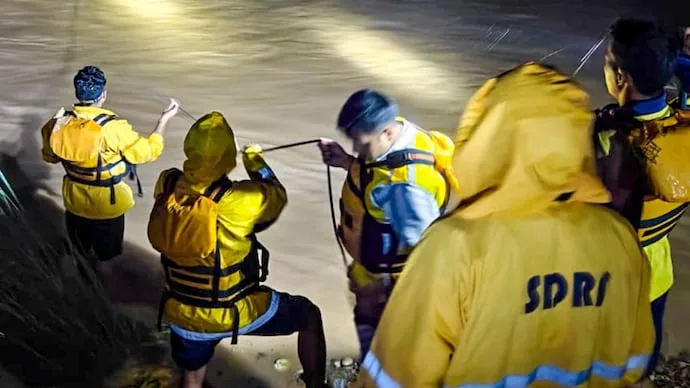

The Kerala disaster resilience project aims to strengthen forecasting, early warning systems, evacuation and rehabilitation as the state prepares for increasingly unpredictable extreme weather events.
Chief Minister V D Satheesan announced the proposed initiative in the Kerala Assembly on October 26, saying it could become a national model for protecting communities vulnerable to natural disasters.
Satheesan highlighted the growing risks posed by cyclones, cloudbursts, extremely heavy rainfall and tsunamis. Citing climate-related concerns, he said weather threats once commonly associated with the Bay of Bengal were increasingly being observed in the Arabian Sea.

The project will cover the entire disaster management process, from predicting weather events and issuing warnings to evacuating residents, reducing damage and supporting rehabilitation.
Although the India Meteorological Department (IMD) already issues weather forecasts, the state intends to integrate information from different systems to develop more precise, timely and effective warnings.
District-Specific Systems and Modern Infrastructure
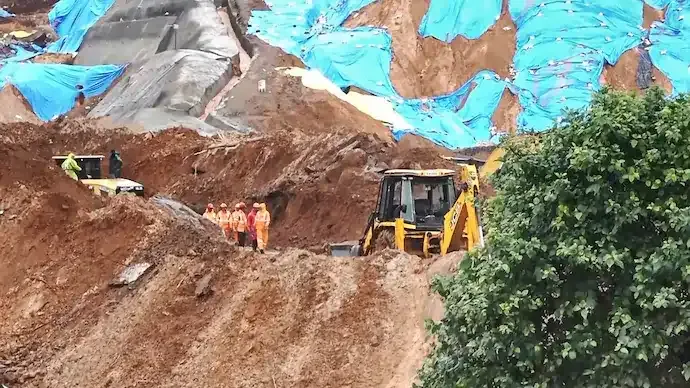
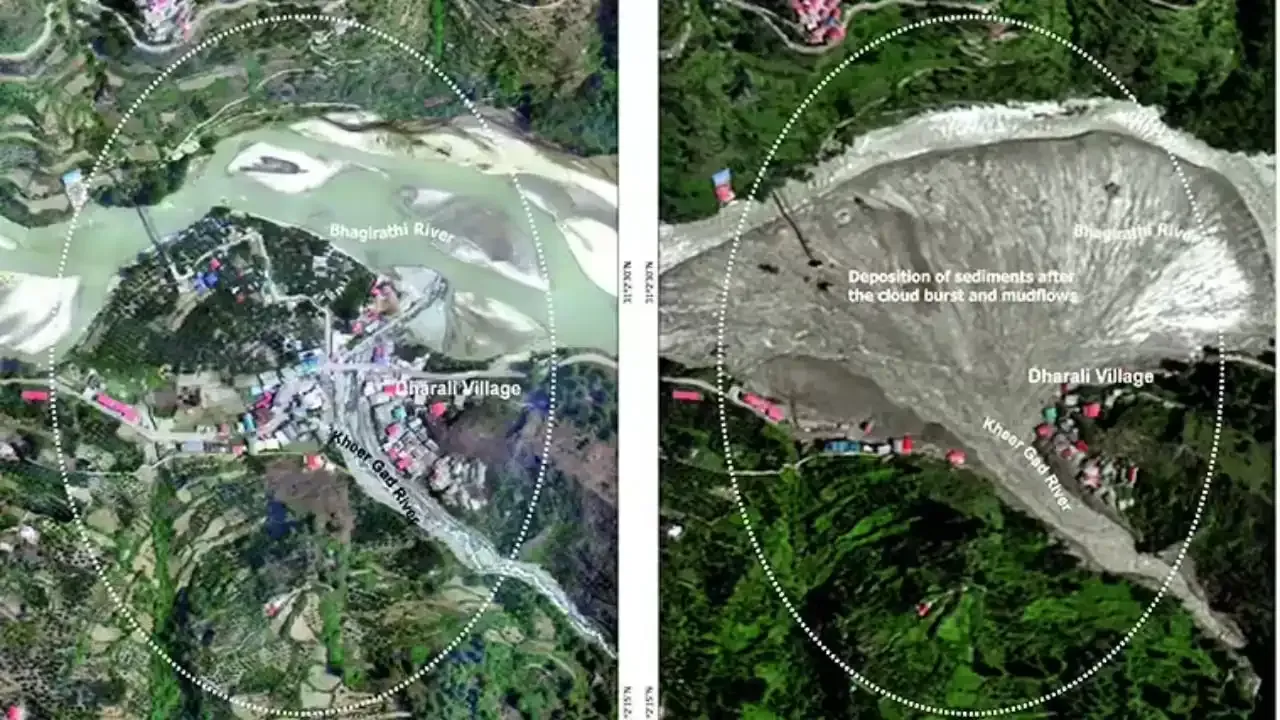
Under the plan, separate disaster management systems will be developed for individual districts according to their geographical risks. These will address coastal hazards, landslides in the Western Ghats, river flooding and dam management.
The government has begun procedures to involve institutions such as IIT Roorkee and IIT Madras as knowledge partners.
Kerala has also outlined several ongoing preparedness measures. According to Satheesan, ₹4 crore has been allocated under the government's 100-day action plan for five additional warning sirens and a fire alarm under the Wayanad siren network. Another ₹3.53 crore has been allocated for five warning sirens in Alappuzha, while ₹3.93 crore will support improvements to warning systems in Wayanad.
The Kerala State Disaster Management Authority, working with IIT Ropar, has established 51 automatic weather stations. Doppler radar has also been installed in Wayanad, with additional modern radar systems planned for Thiruvananthapuram, Kollam and Kozhikode in association with the IMD.
Volunteers, Flood Prevention and Coastal Safety
The government has trained 10,000 volunteers in rescue operations under the Yuva Aapat Mitra initiative. Nine coastal panchayats have also been recommended for UNESCO's Tsunami Ready certification.
Authorities are identifying vulnerable locations along the Chaliyar and Meenachil rivers and in parts of Malappuram and Pathanamthitta. A pilot river-management project is underway in Edavanakkad panchayat to address flooding.
The state also plans to remove accumulated soil and silt from rivers and streams before the next monsoon. Officials say deposits from the 2018 and 2019 floods and subsequent rainfall have reduced river capacity, contributing to flooding even during relatively light rain.
Standard operating procedures will be prepared for high-risk locations, clarifying the immediate response and responsibilities of officials and trained volunteers.
Satheesan also promised emergency measures to address repeated incidents involving fishing boats hit by high waves near Muthalappozhi in Thiruvananthapuram district.
The proposed initiative combines district-level planning, improved infrastructure and trained responders to reduce disaster risks and protect lives and property.
Relevant Link: Kerala State Disaster Management Authority






Conversation
Be kind and stay on topic. Comments are moderated; abuse, spam and personal attacks are removed. Report a problem