



The growing use of artificial intelligence in political campaigns has opened a new debate over deepfakes, misinformation and the ethical boundaries of electioneering.
Political disagreement and sharp criticism have always been part of a democracy. Opposition parties have the right to question governments over policies, development, law and order and corruption. However, concerns arise when AI-generated or manipulated content is used to create misleading representations of political leaders and influence public opinion.
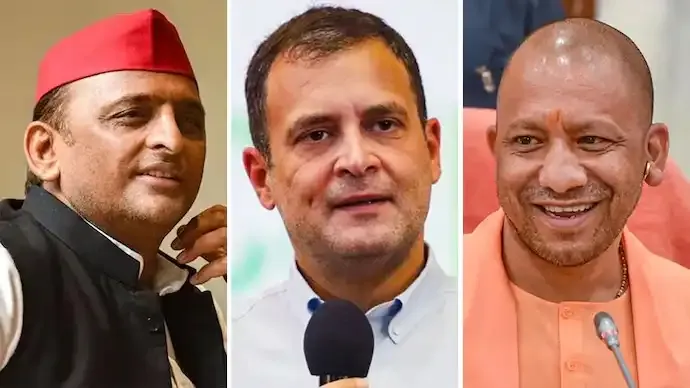
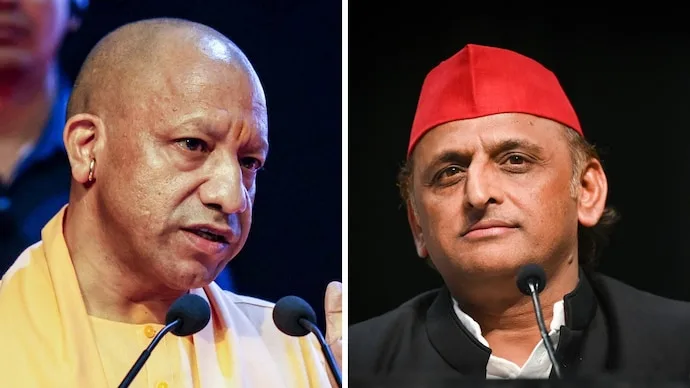
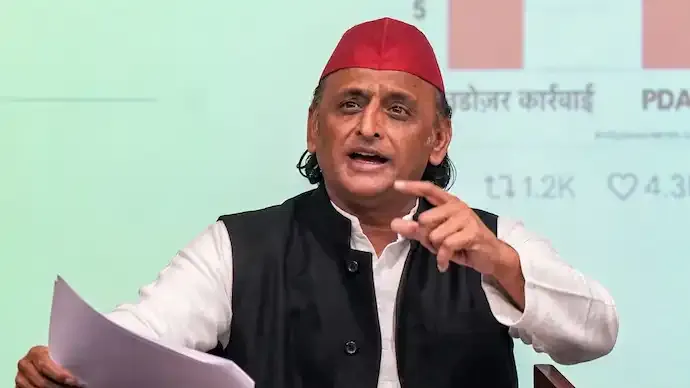
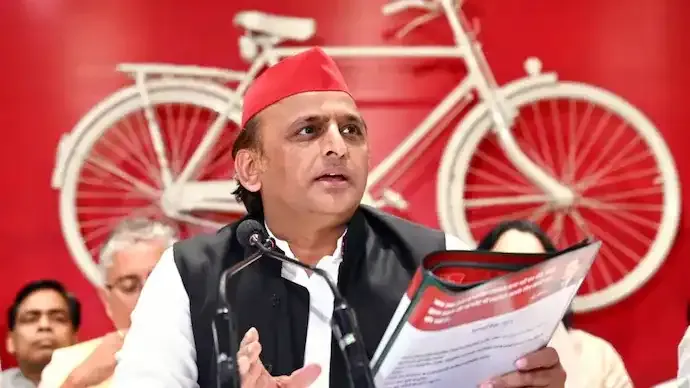
The latest debate was triggered after Samajwadi Party chief Akhilesh Yadav presented an AI-generated video during a press conference, leading to criticism over the use of artificial intelligence to portray Uttar Pradesh Chief Minister Yogi Adityanath in a distorted manner.

Critics of such political content argue that deepfake technology can move election campaigns beyond conventional political attacks and into a more dangerous space where fabricated visuals and audio can be presented as reality.
Yogi Adityanath holds both a political and religious position, serving as Uttar Pradesh's Chief Minister and as the Peethadhishwar of the Gorakshpeeth. The use of manipulated content involving political leaders or religious figures has therefore raised broader concerns about dignity, public discourse and the potential impact on religious sentiments.
The larger issue, however, extends beyond any single political party or leader. As AI tools become increasingly accessible, political organisations across the world can potentially create realistic videos, images and audio that are difficult for ordinary voters to distinguish from authentic material.
Deepfakes have the potential to spread misinformation rapidly, particularly through social media platforms. A fabricated video can be shared thousands or even millions of times before its authenticity is questioned or independently verified.
This creates a serious challenge for democratic elections, which depend on voters having access to reliable information and being able to make informed decisions.
Artificial intelligence itself is not the problem. AI has the potential to improve education, research, agriculture, healthcare, governance and public services. It can help analyse large amounts of information, automate repetitive tasks and make services more accessible.
However, the same technology can also be used to manufacture false narratives, damage reputations and manipulate public perception.
The growing sophistication of AI-generated media means that political campaigns may increasingly face questions about authenticity. Citizens could be exposed to fabricated speeches, manipulated videos or synthetic audio recordings designed to influence their voting decisions.
Such developments could also create a wider crisis of trust. If voters begin to suspect that every video or recording could be artificially generated, even genuine evidence may become easier to dismiss as fake.
The challenge for political parties is therefore not simply technological but ethical. Democracies require competition and disagreement, but political campaigns also depend on certain standards of honesty and accountability.
Political parties can strongly criticise their opponents without resorting to fabricated content. Elections should ultimately be fought over policies, governance, development, economic performance and competing visions for the future.
The misuse of AI to spread disinformation could undermine those principles by replacing debate with psychological manipulation and false narratives.
As artificial intelligence becomes more powerful, political institutions, technology platforms and voters will face increasing pressure to identify manipulated content and prevent its misuse.
The debate over AI in electioneering is likely to become increasingly important in the years ahead. Technology can make political communication faster and more sophisticated, but its responsible use will determine whether it strengthens democratic participation or weakens public trust.
The central challenge is to ensure that artificial intelligence remains a tool for information and progress rather than becoming a weapon for deception and electoral manipulation.





Conversation
Be kind and stay on topic. Comments are moderated; abuse, spam and personal attacks are removed. Report a problem