

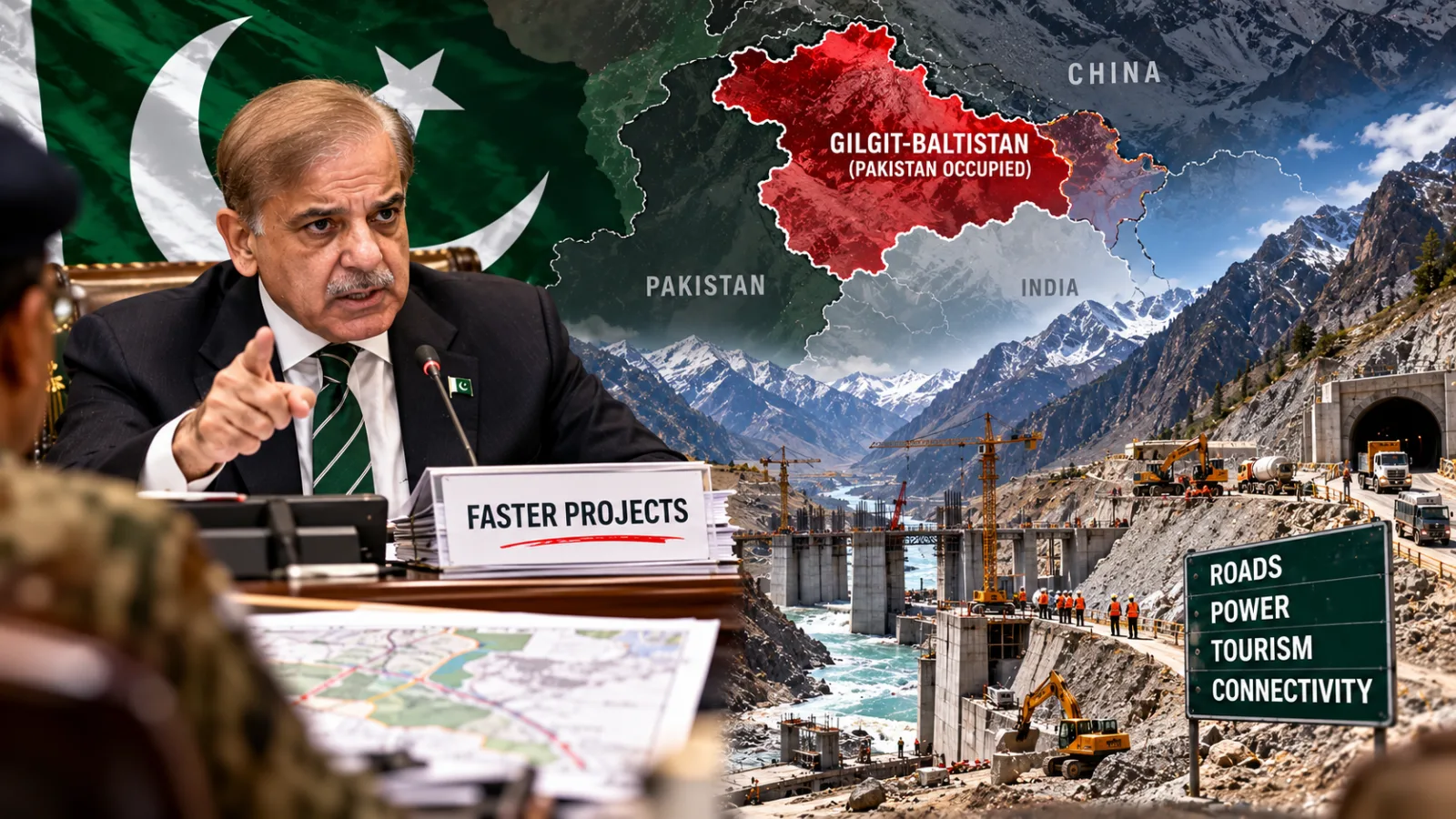

Pakistan Prime Minister Shehbaz Sharif has directed officials to accelerate Gilgit-Baltistan development projects, including energy and infrastructure initiatives, and ensure the timely release of funds. The move has drawn attention because the strategically important region is under Pakistan's control but is claimed by India as an integral part of its territory.
Sharif issued the directions while chairing a meeting in Islamabad on Friday to review federal development projects in the region, which borders China. Gilgit-Baltistan Chief Minister Amjad Hussain also attended the meeting.
India has consistently opposed development activities linked to the China-Pakistan Economic Corridor (CPEC) in territories under Pakistan's occupation, citing concerns over its sovereignty and territorial integrity.

Sharif Calls for Faster Implementation of Projects
According to Pakistan's state broadcaster Radio Pakistan, Sharif instructed authorities to remove obstacles affecting development projects on a priority basis. He also emphasised better coordination among government departments and institutions to ensure timely implementation.
The meeting reviewed ongoing hydropower, infrastructure and solar energy initiatives.
Among the key projects discussed was a 100-megawatt solar power project initiated by the federal government. Sharif directed officials to complete it at the earliest.
The meeting also examined the progress of the China-funded Naltar power project and plans to expand digital infrastructure in the region. The prime minister called for regular monitoring, particularly of projects in the energy sector.
A committee report established in July on Sharif's directions was also presented. It assessed the status of ongoing federal projects, identified implementation hurdles and recommended measures to accelerate completion.
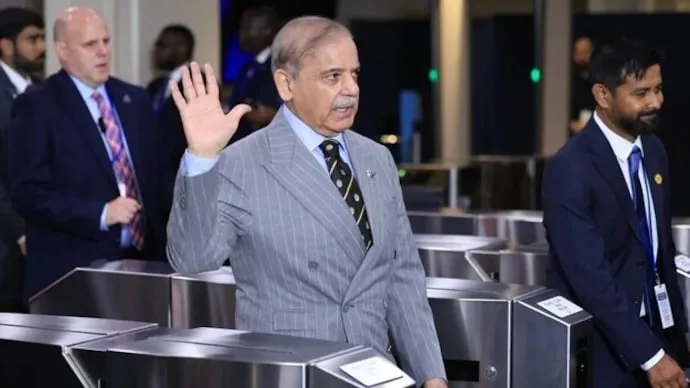
Sharif is expected to visit Gilgit-Baltistan on November 1, according to Radio Pakistan.
CPEC Adds Strategic Significance to the Region
Gilgit-Baltistan holds strategic importance because of its location near China and its position along the CPEC route. The infrastructure initiative connects China's Xinjiang region with Pakistan's Gwadar port.
The corridor is a major component of China-Pakistan economic cooperation, involving transportation, energy and connectivity projects.
However, India has repeatedly objected to CPEC activities passing through territories under Pakistan's illegal occupation, arguing that such projects violate its sovereignty and territorial integrity.
India's Position on Gilgit-Baltistan
New Delhi maintains that the entire Union Territories of Jammu and Kashmir and Ladakh, including Gilgit-Baltistan, are integral and inalienable parts of India.
India has repeatedly called on Pakistan to vacate territories under its illegal occupation.
Sharif's latest directions signal Pakistan's intention to accelerate infrastructure and energy development in the region, even as the territorial dispute and India's objections to CPEC projects remain unresolved.
Relevant Link: Ministry of External Affairs, India






Conversation
Be kind and stay on topic. Comments are moderated; abuse, spam and personal attacks are removed. Report a problem