
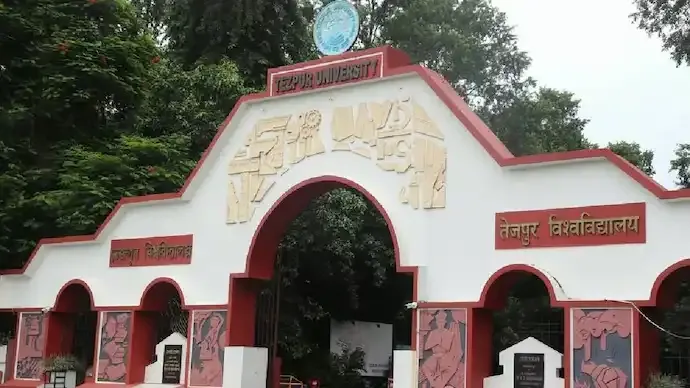
Researchers from Tezpur University have identified a new blood-based approach that could significantly improve early detection of gallbladder cancer, a highly aggressive disease prevalent in North East India. The findings offer fresh hope for diagnosing the cancer at an earlier, more treatable stage.
Gallbladder cancer often progresses silently and is usually detected only at advanced stages, contributing to poor survival rates. In Assam and other parts of the North East, it is the third most common cancer, underscoring the urgent need for effective screening tools.
The study was led by Assistant Professor Pankaj Barah and research scholar Cinmoyee Baruah and has been published in the Journal of Proteome Research. The researchers focused on identifying distinct metabolic or chemical signatures in blood samples that could differentiate gallbladder cancer cases.
Their work revealed that specific changes in blood metabolites, particularly creatinine-related compounds, can distinguish between gallbladder cancer patients with gallstones and those without them. This is a critical breakthrough, as a significant number of patients develop the disease without having gallstones, making conventional detection methods less reliable.
The pilot study analysed blood samples from three groups: patients with gallbladder cancer without gallstones, patients with both gallstones and cancer, and individuals with gallstones alone. Using advanced metabolomics techniques, the team identified 180 altered metabolites in gallstone-free cancer cases and 225 in gallstone-associated cases.
Distinct biomarker panels were found for each disease variant, many involving bile acids and amino acid derivatives that are known to play a role in tumour development and progression. Researchers believe these findings could eventually lead to simple, non-invasive blood tests for early diagnosis.
The interdisciplinary study involved surgeons, pathologists, molecular biologists, pharmaceutical scientists, and computational experts. Clinical collaboration was provided by Assam Medical College and Hospital, Dr B Borooah Cancer Institute, and Swagat Super-Speciality Hospital, with analytical support from international and national research institutions.
While researchers caution that larger, multi-centre studies are required before clinical use, they say the findings provide a strong scientific foundation for developing early screening tools, particularly in high-risk regions like North East India.



Conversation
Be kind and stay on topic. Comments are moderated; abuse, spam and personal attacks are removed. Report a problem