

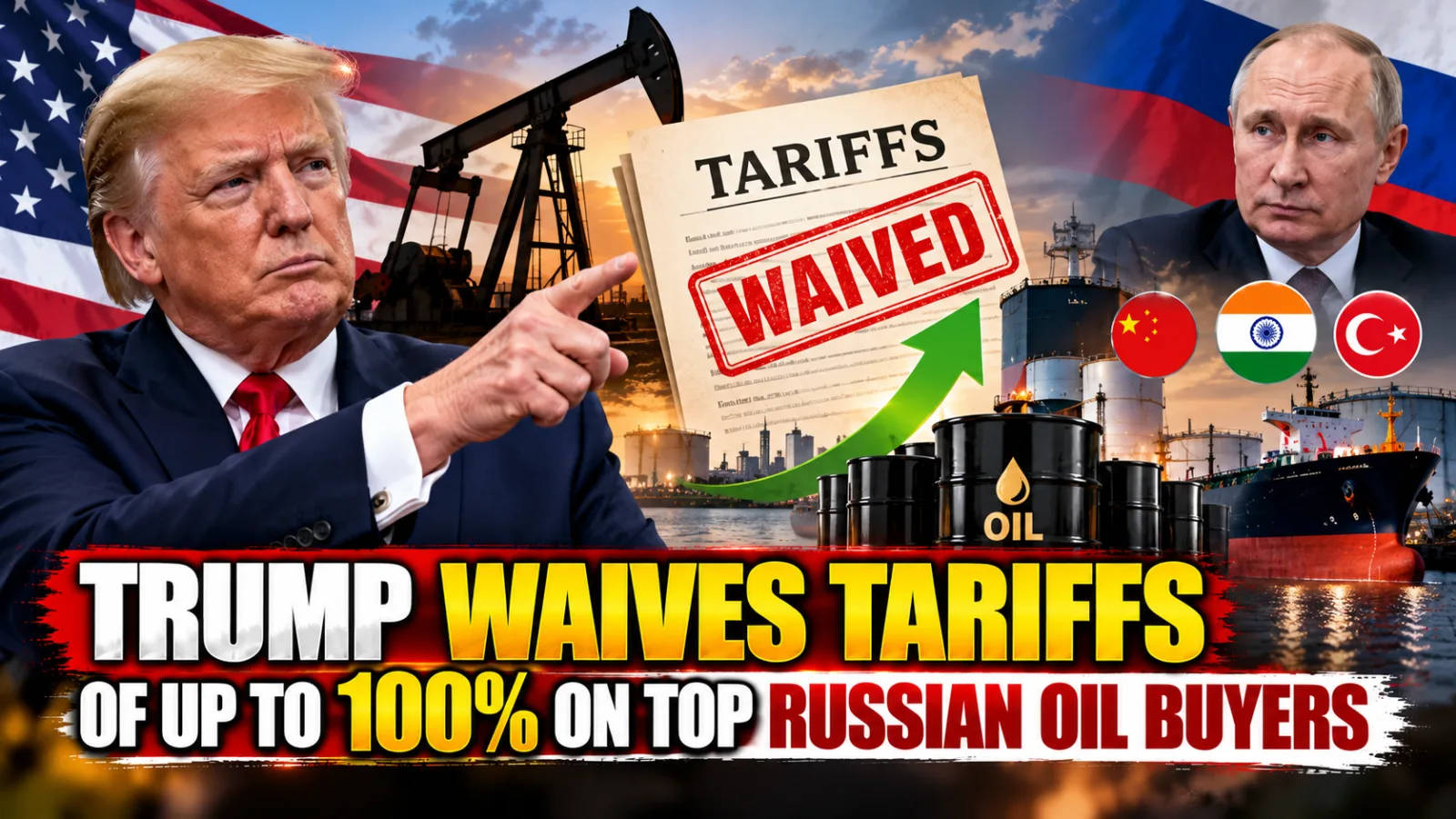

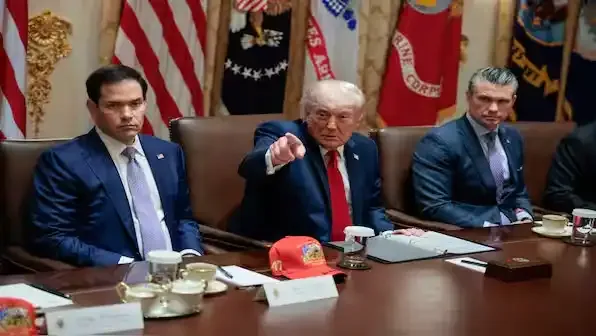
US President Donald Trump has waived specified tariffs of up to 100% on goods imported from the five largest purchasers of Russian oil or natural gas, along with related sanctions provisions under the Graham Act. The Trump Russian oil tariffs waiver was announced through an executive order signed on Friday night, with the President citing US national interests.
The decision provides relief to major buyers of Russian energy, including India and China, which faced the prospect of steep additional tariffs under the legislation targeting Moscow's energy revenues.
Trump certified to Congress that waiving the specified measures was in the national interest of the United States. The order suspends the duties covered by Sections 112 and 113 of the Act, including certain measures targeting countries that facilitate sanctions evasion.

However, the waiver does not remove other US tariffs that may apply to imports from the affected countries.
Graham Act Gave Trump Broad Sanctions Powers
The Graham Act, formally known as the Lindsey O. Graham Sanctioning Russia and Iran Act, was passed by the US Congress on September 16, 2026, and signed by Trump two days later, according to the information provided.
The legislation authorised tariffs of up to 100% on goods from the five largest purchasers of Russian crude oil or natural gas. It also provided for measures against countries accused of facilitating the evasion of sanctions on Russia.
Section 115 allows the President to waive specified sanctions, restrictions and duties in the national interest, subject to submitting written certification and a report to Congress.
The executive order also directs the US Trade Representative, in consultation with senior officials, to monitor Russian energy purchases and potential sanctions evasion. Officials must inform the President if circumstances warrant a review of the waivers or further action.
Democratic Senator Criticises the Decision
The decision drew criticism from Democratic Senator Richard Blumenthal, who argued that the waivers were not justified on national security grounds and accused the administration of accommodating Russian President Vladimir Putin.
The criticism highlights continuing disagreements in Washington over how aggressively the United States should use trade restrictions and sanctions to pressure Moscow.
The administration, meanwhile, has justified the waiver on national-interest grounds.
India’s Russian Oil Dependence Remains Important
The decision comes as US Secretary of State Marco Rubio visits India from October 17 to 22. External Affairs Minister S. Jaishankar had previously raised concerns about the Graham Act during a meeting with Rubio on the sidelines of the United Nations General Assembly.
India has relied on Russian crude as energy supplies from West Asia have faced disruption amid the conflict involving Iran. Refinery configurations are also an important consideration when replacing crude supplies from different regions.
Jaishankar reportedly explained that Indian refineries were largely configured for medium-sour crude from West Asia and Russia, while heavier Venezuelan crude and lighter US crude can require different processing or blending arrangements.
The waiver removes the specified Graham Act tariff threat for now, giving India additional flexibility in managing its energy purchases. However, other US trade measures remain in place, and the executive order allows the administration to reconsider the waiver if circumstances change.
For official US policy updates, visit the White House.





Conversation
Be kind and stay on topic. Comments are moderated; abuse, spam and personal attacks are removed. Report a problem