

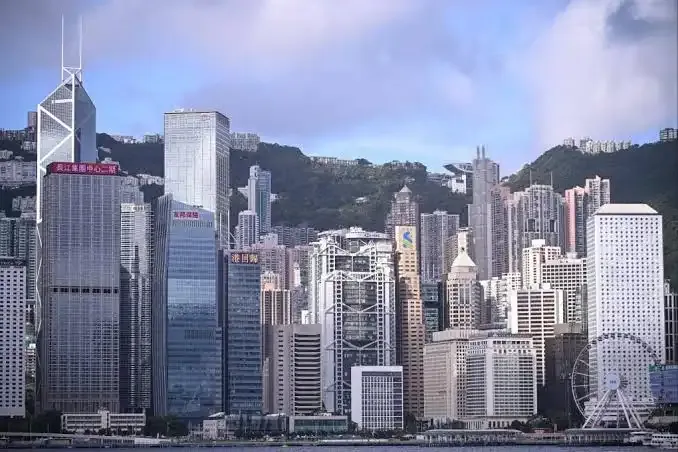

The United States has allowed its Hong Kong national emergency declaration to expire, resulting in the removal of some sanctions, while confirming that Executive Order 13936 will remain in effect.
The move means that although certain sanctions linked specifically to the emergency declaration have been lifted, Hong Kong will continue to be treated differently from mainland China under US policy, with key economic and diplomatic restrictions remaining in place.
The announcement came after earlier comments from China suggested that the end of the emergency declaration could signal the restoration of Hong Kong's special treatment. However, US officials clarified that this is not the case.

Executive Order 13936 Remains Active
A spokesperson for the US State Department confirmed that President Donald Trump allowed the national emergency declaration to lapse but kept Executive Order 13936 in force.
The order, signed in July 2020, revoked Hong Kong's preferential treatment under US law following Beijing's implementation of the Hong Kong National Security Law.
According to the State Department, the US continues to believe Hong Kong no longer enjoys sufficient autonomy to justify separate treatment from mainland China under several American laws and policies.
Some Sanctions Removed, Others Remain
The US Office of Foreign Assets Control (OFAC) said individuals sanctioned solely under the expired emergency declaration have been removed from that sanctions list.
However, many of those individuals remain subject to sanctions under the Hong Kong Autonomy Act of 2020, meaning the practical impact is limited.
Among those affected are Hong Kong Chief Executive John Lee and former Chief Executive Carrie Lam, who have been shifted from one sanctions list to another rather than receiving complete sanctions relief.
US officials said the changes are intended to streamline sanctions by eliminating duplication while maintaining pressure through existing legal mechanisms.
Background to the Executive Order
Executive Order 13936 was introduced in 2020 after China enacted the Hong Kong National Security Law, which Beijing said was necessary to restore stability following the large-scale anti-government protests of 2019.
The United States responded by ending many of Hong Kong's special trade and economic privileges, arguing that the city's autonomy had been significantly reduced.
Since then, relations between Washington and Beijing over Hong Kong have remained a major point of diplomatic tension.
China Welcomes the Move
China's Commerce Ministry described the expiry of the emergency declaration as a positive development, saying it reflected commitments made during previous US-China trade discussions.
The Hong Kong government also welcomed what it called a "positive shift" in US policy and expressed hope that Washington would eventually restore normal economic and trade relations with the city.
Officials reiterated that respecting China's sovereignty and Hong Kong's legal system would benefit both countries and the wider international community.
Human Rights Concerns Continue
Despite the policy adjustment, concerns over Hong Kong's political freedoms remain.
Since the implementation of the National Security Law, several prominent pro-democracy activists—including media entrepreneur Jimmy Lai—have been imprisoned.
Critics argue that civil liberties promised under the "One Country, Two Systems" framework have steadily eroded, while Beijing maintains the law has restored stability and safeguarded national security.
Policy Shift, Not a Full Reset
Although the United States has allowed the emergency declaration to expire, its broader policy towards Hong Kong remains largely unchanged.
Executive Order 13936 continues to revoke the city's special status, while sanctions under the Hong Kong Autonomy Act remain in force.
The latest move is therefore seen as an administrative adjustment rather than a reversal of Washington's stance on Hong Kong.
Key Highlights
- The US has allowed its Hong Kong national emergency declaration to expire.
- Executive Order 13936 remains in force, keeping Hong Kong's special treatment revoked.
- Some sanctions have been lifted, while many continue under the Hong Kong Autonomy Act.
- Hong Kong leader John Lee and former leader Carrie Lam remain under US sanctions.
- China and the Hong Kong government welcomed the policy adjustment but called for broader normalisation of relations.
FAQs
What changed in US policy toward Hong Kong?
The US allowed its national emergency declaration concerning Hong Kong to expire but kept Executive Order 13936 in force.
Does Hong Kong regain its special US trading status?
No. Executive Order 13936 remains active, meaning Hong Kong continues to be treated differently from its previous special status under US law.
Were sanctions on Hong Kong officials removed?
Some sanctions linked to the expired emergency declaration were lifted, but many officials remain sanctioned under the Hong Kong Autonomy Act.
Why was Executive Order 13936 introduced?
The order was signed in 2020 after China enacted Hong Kong's National Security Law, which the US said reduced the city's autonomy.
Why is the decision significant?
The move streamlines sanctions while maintaining Washington's broader policy of treating Hong Kong differently from before the 2020 National Security Law.





Conversation
Be kind and stay on topic. Comments are moderated; abuse, spam and personal attacks are removed. Report a problem