

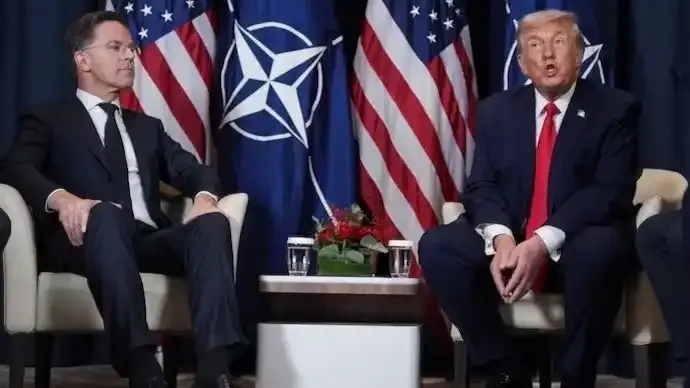

The United States has intensified pressure on its European allies to take concrete steps in securing the Strait of Hormuz following a fragile ceasefire with Iran.
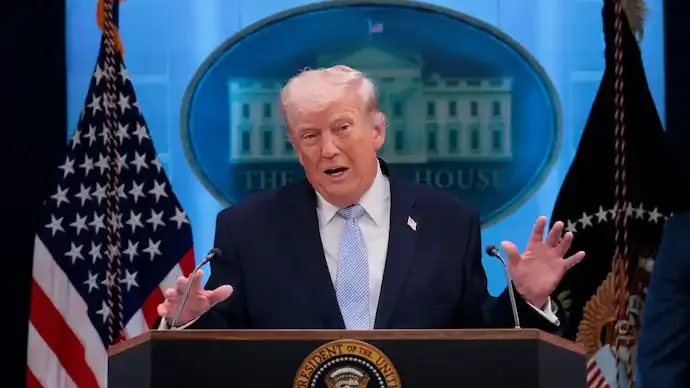
Led by Donald Trump, the US administration has asked European nations to present detailed action plans within days. The move reflects growing urgency to stabilise one of the world’s most critical maritime routes.
Strategic Importance of Strait of Hormuz
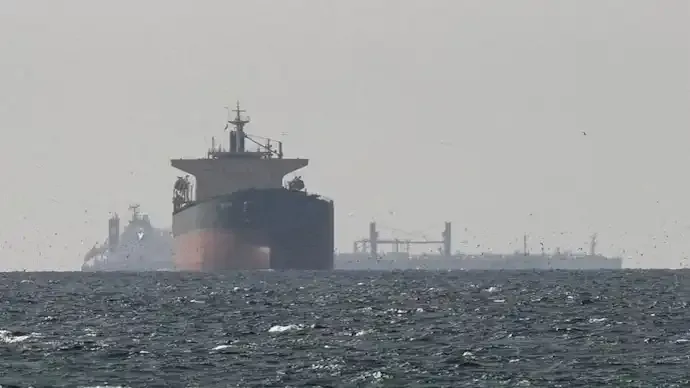
The Strait of Hormuz is a vital artery for global energy supply, with a significant portion of the world’s oil shipments passing through it.

Recent conflicts in West Asia disrupted tanker movement and raised concerns about the safety of shipping routes. Securing this passage is now a top priority for global powers aiming to restore stability in energy markets.
From Diplomatic Support to Concrete Plans
US officials have made it clear that symbolic support is no longer sufficient. European allies are being asked to outline actionable strategies, including naval deployments, coordination mechanisms, and security frameworks.
The discussions reportedly took place during high-level meetings at the White House, signalling the seriousness of the issue.
This shift indicates a transition from diplomatic statements to operational commitments in ensuring maritime security.
Impact on Global Oil and Trade
The urgency around securing the Strait of Hormuz is closely linked to disruptions in global oil flows. Tensions in the region have already caused volatility in crude oil prices and affected supply chains.
Ensuring safe passage for oil tankers is critical not only for stabilising prices but also for maintaining global trade flows. Any prolonged disruption could have far-reaching economic consequences.
Challenges for European Allies
European countries now face the challenge of quickly formulating and implementing security plans. This may involve logistical coordination, military readiness, and political consensus among member states.
The situation also raises questions about burden-sharing and the role of NATO allies in maintaining global security.
Fragile Ceasefire and Uncertain Future
While the ceasefire between the US and Iran has created an opportunity for diplomacy, it remains fragile. Any breakdown in the agreement could further complicate efforts to secure the region.
The coming days will be crucial as European allies respond to the US request and outline their plans.
Global Implications of Maritime Security
The developments highlight the interconnected nature of global security and economic stability. The Strait of Hormuz is not just a regional concern but a critical component of the global energy system.
As international efforts continue, the focus will remain on ensuring long-term stability and preventing future disruptions.





Conversation
Be kind and stay on topic. Comments are moderated; abuse, spam and personal attacks are removed. Report a problem