Shopping cart
Your cart empty!


Your cart empty!
Terms of use dolor sit amet consectetur, adipisicing elit. Recusandae provident ullam aperiam quo ad non corrupti sit vel quam repellat ipsa quod sed, repellendus adipisci, ducimus ea modi odio assumenda.
Lorem ipsum dolor sit amet consectetur adipisicing elit. Sequi, cum esse possimus officiis amet ea voluptatibus libero! Dolorum assumenda esse, deserunt ipsum ad iusto! Praesentium error nobis tenetur at, quis nostrum facere excepturi architecto totam.
Lorem ipsum dolor sit amet consectetur adipisicing elit. Inventore, soluta alias eaque modi ipsum sint iusto fugiat vero velit rerum.
Sequi, cum esse possimus officiis amet ea voluptatibus libero! Dolorum assumenda esse, deserunt ipsum ad iusto! Praesentium error nobis tenetur at, quis nostrum facere excepturi architecto totam.
Lorem ipsum dolor sit amet consectetur adipisicing elit. Inventore, soluta alias eaque modi ipsum sint iusto fugiat vero velit rerum.
Dolor sit amet consectetur adipisicing elit. Sequi, cum esse possimus officiis amet ea voluptatibus libero! Dolorum assumenda esse, deserunt ipsum ad iusto! Praesentium error nobis tenetur at, quis nostrum facere excepturi architecto totam.
Lorem ipsum dolor sit amet consectetur adipisicing elit. Inventore, soluta alias eaque modi ipsum sint iusto fugiat vero velit rerum.
Sit amet consectetur adipisicing elit. Sequi, cum esse possimus officiis amet ea voluptatibus libero! Dolorum assumenda esse, deserunt ipsum ad iusto! Praesentium error nobis tenetur at, quis nostrum facere excepturi architecto totam.
Lorem ipsum dolor sit amet consectetur adipisicing elit. Inventore, soluta alias eaque modi ipsum sint iusto fugiat vero velit rerum.
Do you agree to our terms? Sign up
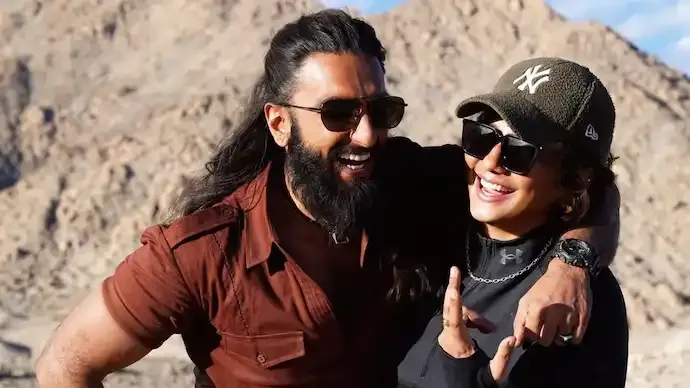
Before it became cinematic spectacle, Pakistan’s Lyari was a real battleground — a neighbourhood where gang wars, encounter killings and covert operations shaped Karachi’s most violent chapter. The upcoming film Dhurandhar draws heavily from this dark history, bringing to screen the lives of men who ruled Lyari through fear, force and ideology.
Lyari, often referred to as the “Mother of Karachi,” descended into chaos due to decades of poverty, neglect and political patronage. What followed was a brutal underworld where gangsters became folk legends, police officers turned into feared symbols of the state, and shadowy operatives blurred the lines between crime and counter-terrorism.
Rehman Dakait emerged as one of Lyari’s most feared gangsters in the late 1990s. Son of gangster Mohammed Dadal, Dakait reportedly committed violent crimes from a young age and rose rapidly through the criminal ranks. By his twenties, he led a powerful gang involved in extortion, kidnapping, drug trafficking and illegal arms trade.
His reign was marked by extreme brutality, with reports of public executions and ritualised violence meant to instil fear. Backed by political patronage through the People’s Aman Committee, Dakait turned Lyari into a war zone as rival gangs battled for supremacy. His dominance ended in 2009 when he was killed in a police operation during a government crackdown on organised crime.
Standing on the opposite side of the law was SSP Chaudhry Aslam, one of Karachi’s most well-known encounter specialists. Aslam led operations against gangsters, terror outfits and Taliban-linked networks, earning both praise and controversy for his aggressive policing methods.
He played a key role in the operation that killed Rehman Dakait, a moment that cemented his reputation on the streets of Lyari. Despite surviving multiple assassination attempts, Aslam was killed in a suicide bombing in January 2014. His death marked the end of an era in Karachi policing, leaving behind a legacy viewed as heroic by some and deeply contentious by others.
After Dakait’s death, his cousin Uzair Baloch took over the gang, pushing Lyari into an even darker phase. Known for extreme violence, Baloch’s reign saw brutal reprisals against rivals, including the infamous killing of Arshad Pappu.
As law enforcement pressure mounted, Baloch fled Pakistan but was arrested by Interpol in Dubai in 2015. He was later sentenced by a military court and is currently imprisoned in Karachi, his fall symbolising the eventual collapse of Lyari’s gang empire.
Dhurandhar also weaves in fictionalised intelligence operatives and militant figures inspired by real events. These characters reflect the covert battles fought alongside gang wars — involving intelligence agencies, terror networks and cross-border espionage that shaped Karachi’s security landscape.
Directed by Aditya Dhar, Dhurandhar blends historical truth with fiction, recreating a period when Lyari stood at the crossroads of crime, counter-terrorism and politics. With a star-studded cast and strong box office opening, the film has renewed interest in the real figures who once dictated life and death in Karachi’s most volatile neighbourhood.
At its core, Dhurandhar revisits a violent past — not as glorification, but as a reminder of how unchecked power, poverty and politics can turn cities into battlefields.
266
Published: Dec 14, 2025

All India Story is your trusted source for comprehensive and up-to-the-minute news coverage across India. Bringing you the latest on politics, business, technology, entertainment, sports, and more, we are dedicated to keeping you informed with accurate, engaging, and insightful stories from every corner of the nation.