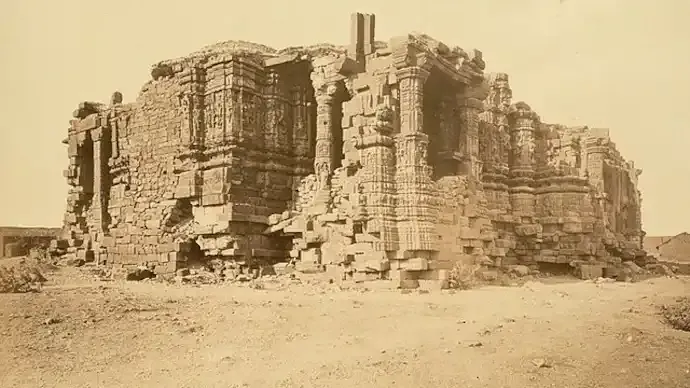
Revenge of the Desert: How Mahmud of Ghazni Nearly Fell After Somnath Plunder

Revenge of the Desert: How Mahmud of Ghazni Nearly Fell After Somnath Plunder

The legendary plunder of the Somnath Temple in 1026 CE marked the peak of power for Mahmud of Ghazni, but it also set the stage for one of the most catastrophic retreats in medieval military history. What began as a triumphant raid soon turned into a near-fatal ordeal as the desert itself rose in vengeance, exposing the limits of imperial ambition.

By the early 11th century, Mahmud had transformed the Ghaznavid state into a formidable empire. Inherited from his father Sabuktigin, the realm expanded rapidly through relentless campaigns across Central Asia and the Indian subcontinent. Mahmud’s repeated raids brought immense wealth and prestige, culminating in the attack on Somnath—one of the richest and most revered temples on the western coast of India.

The assault in January 1026 was swift and devastating. Mahmud’s army of around 50,000 warriors overwhelmed the temple defenders after days of fierce resistance. Idols were destroyed, defenders slaughtered, and enormous quantities of gold, silver, and precious stones were seized. The victory was celebrated as both a religious and political triumph, reinforcing Mahmud’s reputation as an unstoppable conqueror.

However, the return journey proved disastrous. Anticipating resistance from regional rulers, Mahmud chose an unconventional route back through the Rann of Kutch and the Thar Desert. What seemed a strategic shortcut soon became a death trap.

Initially, the army moved quickly across the salt flats, but conditions deteriorated rapidly as they entered the desert. Wells that were expected to provide water were found dry or poisoned. Under the relentless sun, soldiers collapsed from thirst and heat exhaustion. Armour became a liability, trapping heat and accelerating deaths. Discipline weakened as survival replaced strategy.

As the army struggled deeper into the wasteland, desert raiders—identified in historical accounts as Jat groups—launched relentless attacks. Striking at dawn and dusk, they harassed the already weakened Ghaznavid forces, exacting revenge for years of plunder and warfare. Each skirmish further eroded morale and manpower.

By the time the survivors reached the Indus frontier, the scale of the disaster was clear. Of the 50,000 who had marched out of Somnath, nearly 30,000 were dead or missing. The elite cavalry that had powered Mahmud’s Indian campaigns was effectively destroyed. Though the Sultan survived, contemporary chroniclers suggest that the ordeal left him physically and mentally diminished.

While Mahmud would later launch a limited punitive expedition against desert raiders, he never again ventured deep into India. His focus shifted to holding Punjab and defending his northern borders, where new threats—particularly the rising Seljuk Turks—were emerging.

Historians note that although the Ghaznavid Empire did not collapse immediately, the Somnath retreat marked a turning point. The loss of men, resources, and momentum weakened the empire from within, sowing the seeds of its eventual decline. The desert, more than any army, proved to be Mahmud’s most formidable adversary—delivering a lesson in hubris that echoed through history.

Prev Article
GATE Admit Card 2026 Update: IIT Guwahati Likely to Release Hall Ticket by Jan 16
Next Article
Percentile vs Percentage Explained: How NEET PG Cut-Offs and Counselling Actually Work

Related to this topic: