
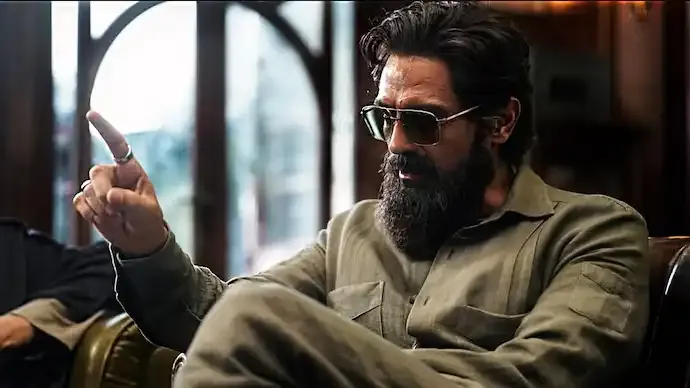
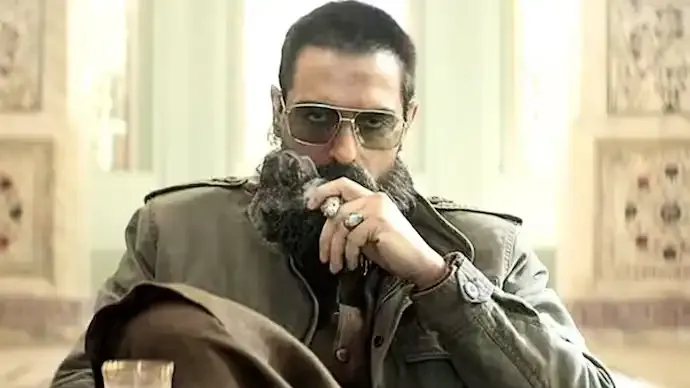
Arjun Rampal’s portrayal of Major Iqbal in Dhurandhar has once again highlighted his ability to deliver a compelling antagonist on screen. With a calm yet menacing presence, the actor brings intensity to the role, reminding audiences of his earlier performances in films such as Om Shanti Om and Raajneeti. However, despite these strong portrayals, Bollywood has yet to craft a truly iconic villain character that fully utilises Rampal’s range.
In the Dhurandhar franchise, Major Iqbal emerges as a layered antagonist whose impact lies more in atmosphere than screen time. The character’s early appearance in the film’s promotional material established a dark tone, showcasing a restrained style of villainy that relies on subtle menace rather than exaggerated theatrics. While other antagonists in the narrative receive larger arcs and dramatic entries, Rampal’s performance leaves a lasting impression through quiet intensity and calculated dialogue delivery.
This recurring pattern raises an interesting question about the industry’s approach to villain roles. Bollywood has traditionally celebrated larger-than-life antagonists defined by flamboyance and dramatic flair. Characters remembered as iconic villains often thrive on exaggerated gestures and memorable punchlines, whereas Rampal’s strength lies in understated performances that project sophistication and psychological depth. Such restraint, though critically appreciated, may not always align with mainstream commercial expectations.
Throughout his career, Rampal has delivered several memorable negative roles, including the calculating Mike Mehra in Om Shanti Om and the volatile politician Prithviraj Pratap in Raajneeti. Both performances showcased his ability to balance charm with danger, yet the characters themselves were shaped by familiar narrative tropes rather than groundbreaking writing. Even in films where he explored darker shades, inconsistent scripts often prevented these roles from evolving into truly defining cinematic villains.
Industry observers note that Rampal’s screen persona exists somewhere between a traditional leading man and a classic antagonist. Since his early career, he has often chosen roles rooted in realism rather than exaggerated heroism or villainy. While this versatility has earned him critical recognition, it has also kept him from being typecast into a single iconic image, which Bollywood audiences frequently associate with long-lasting villain legacies.
With the upcoming sequel Dhurandhar: The Revenge generating anticipation, fans are hopeful that Major Iqbal’s character will receive deeper exploration and a more substantial narrative arc. A stronger focus on psychological conflict between protagonist and antagonist could allow Rampal to deliver one of his most memorable performances yet.
As Bollywood continues to evolve, there is growing space for nuanced villains who rely on presence rather than spectacle. Arjun Rampal’s career suggests that the right script and character design could finally elevate him into the league of unforgettable cinematic antagonists, proving that subtlety can be just as powerful as theatrical villainy.

Conversation
Be kind and stay on topic. Comments are moderated; abuse, spam and personal attacks are removed. Report a problem