



Jawaharlal Nehru University (Jawaharlal Nehru University) has once again found itself at the centre of a political and institutional controversy after videos surfaced online showing students raising provocative slogans against Prime Minister Narendra Modi and Union Home Minister Amit Shah during a campus event.
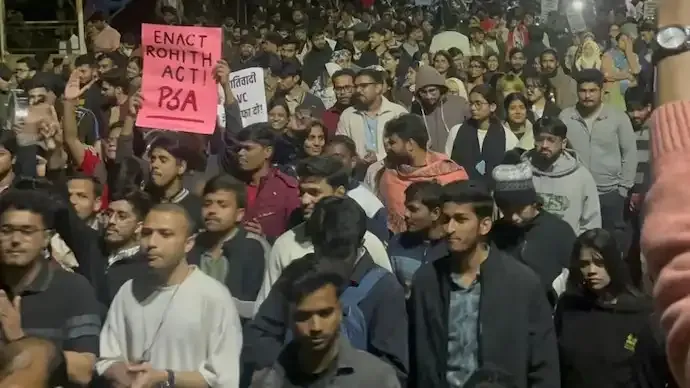
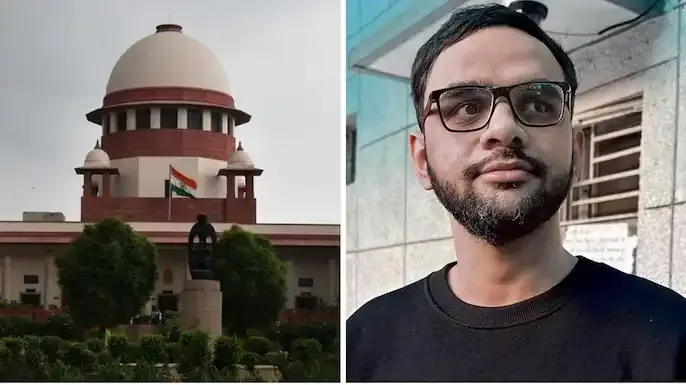
The incident occurred on January 5 near the Sabarmati Hostel, shortly after the Supreme Court of India declined to grant bail to former JNU students Umar Khalid and Sharjeel Imam in connection with the 2020 Delhi riots conspiracy case.
What Happened at the Campus Event
The event was organised by students associated with the Jawaharlal Nehru University Students' Union to mark six years since the January 2020 attack on the campus, when masked assailants entered JNU and assaulted students and faculty members. According to university officials, the gathering initially involved around 30–35 students but grew in size as proceedings continued.

University authorities said the atmosphere changed significantly after news emerged that the Supreme Court had rejected the bail pleas of Khalid and Imam. Following the verdict, slogans that were described as “objectionable,” “provocative,” and “inflammatory” were allegedly raised against the Prime Minister and the Home Minister.
On Tuesday, JNU’s security department formally wrote to Delhi Police, seeking the registration of an FIR over the slogans. The communication stated that the nature of the slogans amounted to a direct affront to constitutional authority and could disturb campus harmony.
Separately, the university administration said it had taken “very serious cognisance” of the videos circulating on social media. In an official statement, JNU said the slogans were inconsistent with democratic dissent and violated the institution’s code of conduct, warning that such actions had the potential to disrupt public order and compromise the safety environment on campus.
JNUSU’s Response
Responding to the controversy, the JNUSU president denied that the slogans were aimed at any individual, asserting that they were ideological in nature. She maintained that the gathering was not intended as a protest and claimed that the slogans did not constitute personal attacks.
However, her remarks sparked further debate, particularly after she made strong political statements while addressing the issue, stopping short of clearly condemning the slogans directed at the Prime Minister and the Home Minister.
Political Reactions Escalate
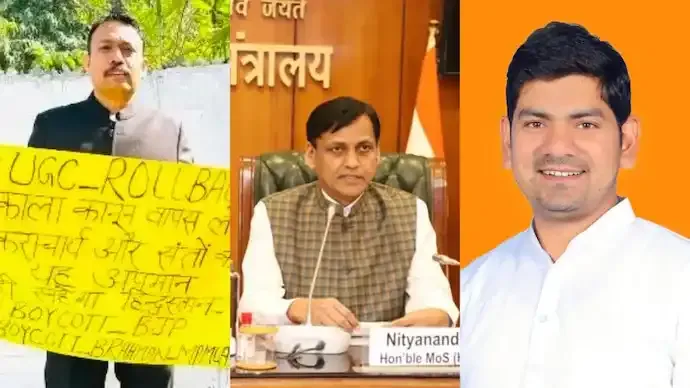
The incident quickly took on a political dimension, with sharp reactions from across the political spectrum. Leaders from the ruling party accused opposition figures of encouraging what they described as anti-national sentiment on campus, alleging that the slogans reflected frustration following the Supreme Court’s decision on bail.
On the other hand, opposition leaders countered by claiming that the incident was being politicised and alleged that those responsible for the slogans were linked to ideological opponents, questioning why preventive action was not taken earlier if authorities had prior information.
The episode has revived memories of earlier controversies at JNU, most notably the 2016 incident related to a campus event that led to allegations of anti-national slogans and the arrest of student leaders, including Umar Khalid. That episode had triggered a nationwide debate on free speech, dissent, and nationalism within university spaces.
Broader Implications
University officials emphasised that while dissent and debate are integral to academic spaces, they must remain within the framework of institutional rules and constitutional values. The administration reiterated that disciplinary and legal processes would follow due procedure.
As investigations progress and political sparring continues, the incident has once again placed JNU at the heart of a wider national conversation on campus politics, freedom of expression, and the limits of protest in educational institutions.






Conversation
Be kind and stay on topic. Comments are moderated; abuse, spam and personal attacks are removed. Report a problem