

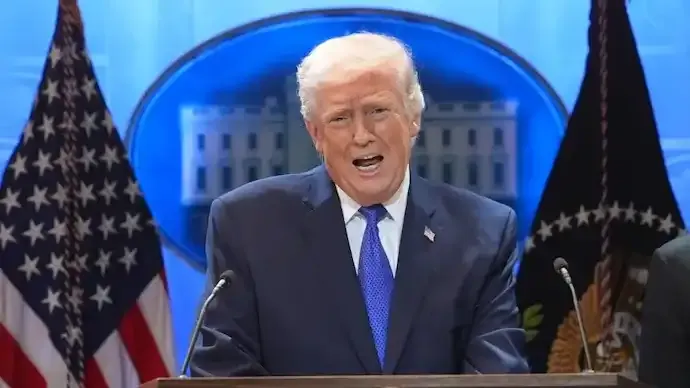

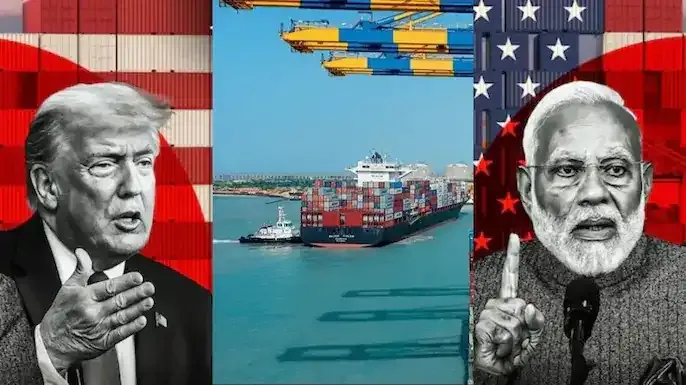
US President Donald Trump has said that the India–United States trade arrangement will remain unchanged despite the Supreme Court ruling that struck down his earlier reciprocal tariff framework. The statement comes amid ongoing negotiations between the two countries and renewed uncertainty over tariff structures.
Responding to questions about the impact of the court decision, Trump said the agreement with India remains intact and emphasised that the United States would not face duties under the arrangement. He described the deal as fair and suggested it corrected what he viewed as an imbalance in previous trade terms.
The Supreme Court, in a 6–3 decision, ruled that the administration could not impose sweeping tariffs under the International Emergency Economic Powers Act (IEEPA), stating that the law does not grant the president authority to levy tariffs. The judgment reinforced Congress’s constitutional role in taxation and trade policy.

New tariff framework introduced
Following the ruling, Trump announced a new 10% global tariff under Section 122 of US trade law. Officials confirmed that this temporary tariff will apply to imports from all countries, including India, until another legal authority is invoked.
A White House official clarified that the 10% levy will remain in place for now and replace duties previously imposed under emergency powers. The measure is expected to remain effective for up to 150 days while further trade investigations and policy decisions are undertaken.
Trump defends India trade arrangement
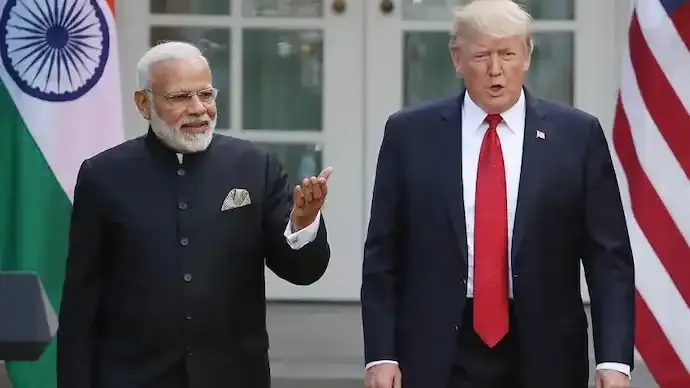
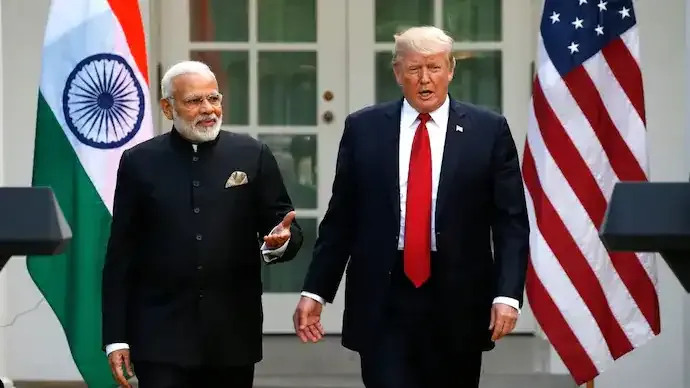
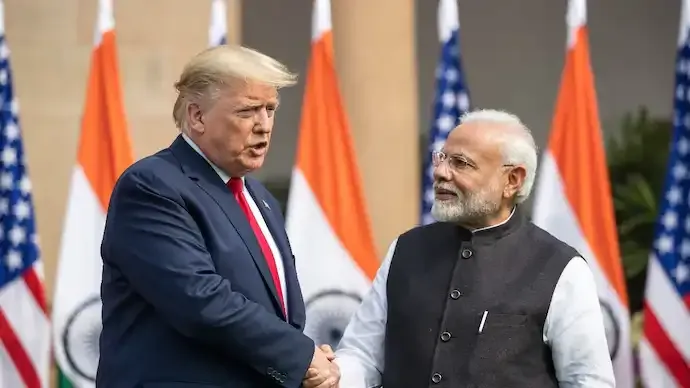
Trump maintained that the agreement with India represents a reversal of earlier trade dynamics and described it as beneficial for the United States. He praised Prime Minister Narendra Modi while reiterating that the revised trade framework ensures reciprocal fairness.
The US administration has urged trade partners to adhere strictly to existing agreements and emphasised the importance of compliance with negotiated terms.
Interim trade pact expected soon
Meanwhile, India and the United States are progressing toward an interim trade agreement expected to be signed in March and implemented in April. Officials from both countries are scheduled to meet in Washington to finalise the text of the pact.
Under the proposed arrangement, reciprocal tariffs on Indian goods were expected to be reduced from 25% to 18%, and punitive duties linked to India’s purchase of Russian crude oil have already been withdrawn. The relief is viewed as a significant benefit for Indian exporters who previously faced cumulative duties as high as 50%.
Tariffs remain central to policy debate
Tariffs continue to play a central role in US economic strategy, with the administration arguing they help correct trade imbalances and protect domestic industries. The Supreme Court ruling, however, has intensified debate over executive authority and the limits of presidential power in trade matters.
Trade experts note that the current 10% tariff creates a temporary framework while legal and diplomatic efforts continue. The final tariff structure will depend on negotiations, statutory mechanisms, and congressional considerations.
As discussions continue, exporters and policymakers are closely monitoring developments that could shape the future of India–US trade relations and global commerce.



Conversation
Be kind and stay on topic. Comments are moderated; abuse, spam and personal attacks are removed. Report a problem