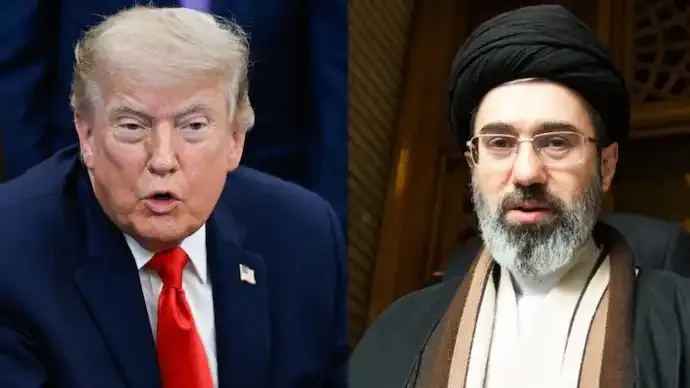
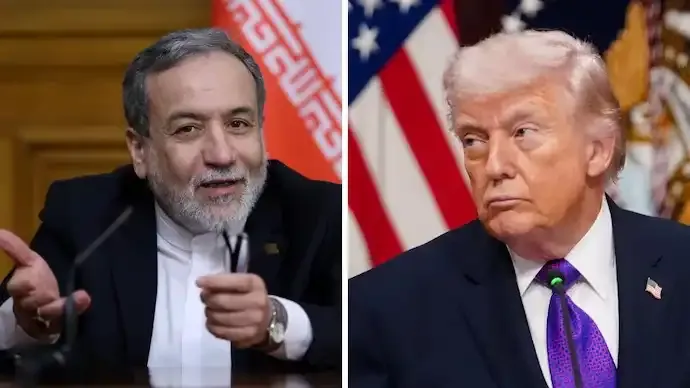
The United States and Iran have reportedly agreed on a draft framework designed to end months of hostilities, reopen critical trade routes, and restart negotiations over Tehran's nuclear programme.
The proposed agreement, expected to be formalised in the coming days, is being viewed as a major diplomatic breakthrough that could ease tensions across West Asia and bring stability to global energy markets.
At the heart of the discussions is a reported 14-point framework intended to serve as an interim roadmap while both countries continue negotiations on more complex issues.
Why the Deal Matters
The conflict between the United States and Iran created widespread concern over:
-
Global oil supplies
-
Energy prices
-
Maritime security
-
International trade routes
-
Regional stability
The proposed agreement aims to reduce these risks while creating space for broader diplomatic engagement.
For countries like India that depend heavily on energy imports, the development could have significant economic implications.
Reopening the Strait of Hormuz
One of the most important elements of the framework is the reopening of the Strait of Hormuz.
The waterway is among the world's most critical shipping routes, carrying a substantial share of global oil exports.
The agreement reportedly seeks to:
-
Restore normal shipping operations
-
Improve maritime security
-
Reduce insurance and transportation costs
-
Ensure uninterrupted energy supplies
A fully operational Strait of Hormuz would help calm global energy markets.
Ceasefire and End to Hostilities
The framework reportedly includes provisions aimed at halting military confrontations between both sides.
The ceasefire component is intended to:
-
Reduce the risk of escalation
-
Protect civilian populations
-
Restore regional stability
-
Create conditions for diplomatic engagement
Observers consider this one of the most important immediate outcomes of the proposed agreement.
Nuclear Talks Set to Resume
One of the central issues between Washington and Tehran remains Iran's nuclear programme.
Rather than attempting to resolve the issue immediately, the framework reportedly creates a structured pathway for future negotiations.
The agreement is said to include a 60-day negotiation window focused specifically on nuclear-related matters.
This period would allow both sides to address outstanding concerns through diplomacy.
Sanctions Relief Included
Reports suggest that the framework provides for limited sanctions relief as part of the confidence-building process.
Sanctions relief could help:
-
Ease economic pressure on Iran
-
Encourage compliance with negotiated commitments
-
Support economic recovery
-
Facilitate future negotiations
The extent and duration of such relief are expected to remain subject to further discussions.
Confidence-Building Measures
The proposed framework reportedly includes several measures aimed at rebuilding trust between the two countries.
These may involve:
-
Diplomatic communication channels
-
Verification mechanisms
-
Security assurances
-
Economic cooperation measures
Such steps are often considered essential in reducing tensions after prolonged periods of conflict.
Regional Stability a Major Objective
Beyond bilateral relations, the agreement seeks to stabilize the broader West Asian region.
A reduction in tensions between the United States and Iran could influence security dynamics across several neighboring countries and reduce fears of a wider regional conflict.
Many governments have welcomed efforts aimed at preventing further instability.
Global Markets React Positively
Financial markets have responded favorably to reports of the framework.
Investors view the agreement as potentially beneficial for:
-
Energy prices
-
Global trade
-
Shipping industries
-
Emerging markets
-
Economic growth
Lower geopolitical risk often translates into improved market confidence and reduced volatility.
Key Issues Still Unresolved
Despite optimism surrounding the agreement, major disputes remain unresolved.
Challenges include:
-
Long-term nuclear arrangements
-
Verification procedures
-
Future sanctions policy
-
Regional security concerns
-
Political opposition within both countries
Experts caution that the framework should be viewed as a starting point rather than a final settlement.
Potential Impact on India
India stands to benefit from reduced tensions in West Asia.
Possible advantages include:
-
Lower crude oil prices
-
Stable energy supplies
-
Reduced shipping disruptions
-
Improved trade conditions
-
Lower inflationary pressure
As one of the world's largest energy importers, India closely follows developments involving the Strait of Hormuz and regional security.
A Significant Diplomatic Opportunity
The proposed 14-point framework represents one of the most important diplomatic developments in the region in recent years.
By combining ceasefire measures, maritime security guarantees, sanctions relief, and renewed nuclear negotiations, the agreement seeks to create a pathway toward long-term stability.
Whether the framework ultimately succeeds will depend on implementation, continued dialogue, and the willingness of both sides to address remaining disputes.
For now, the prospect of peace offers hope for greater stability in a region that has experienced months of uncertainty and conflict.
Prev Article
Iran Says Deal With US ‘Never Been Closer’ as Trump Amplifies Araghchi’s Message
Next Article
Pakistan Air Force Trainer Aircraft Crashes Near Mardan, Two Pilots Killed