
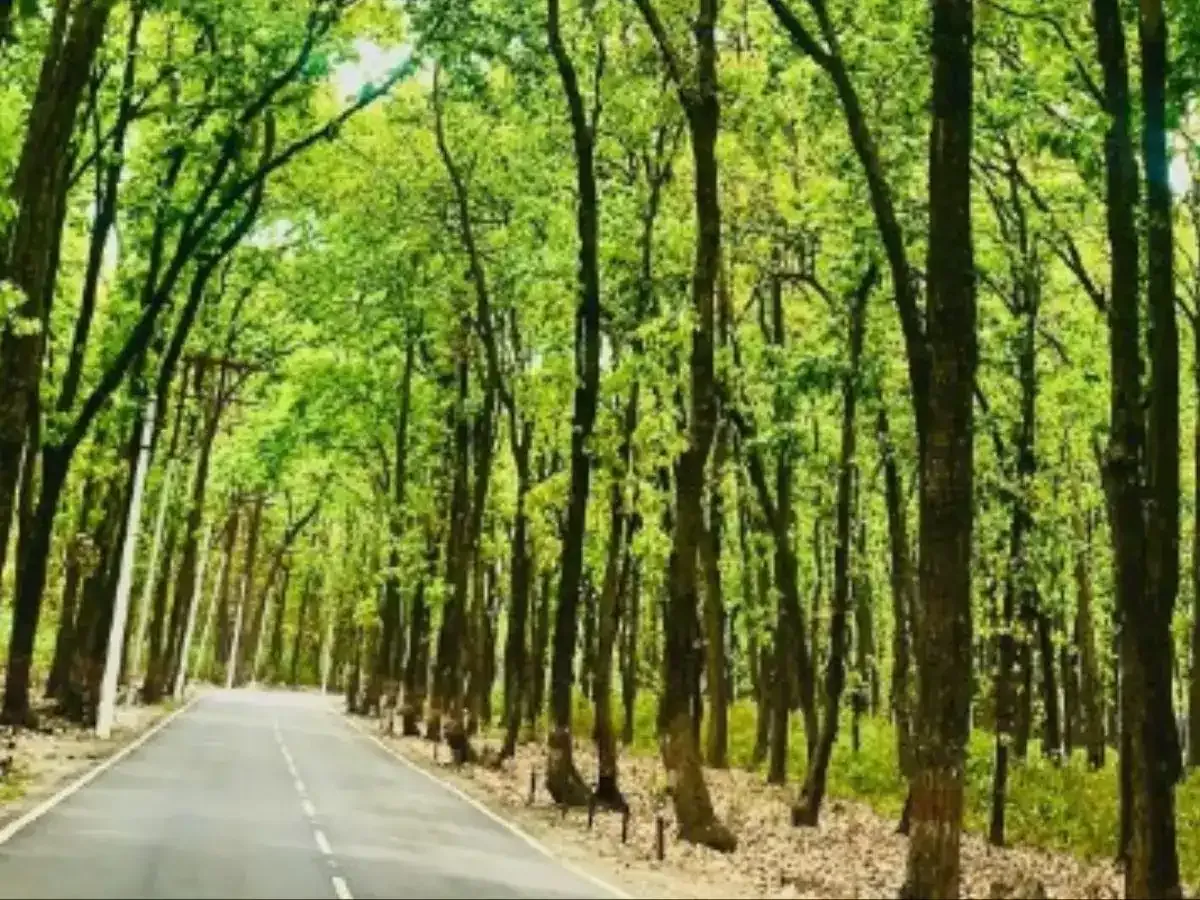
Uttarakhand has lost more than 214 square kilometres of forest cover over the past decade, raising serious concerns about environmental degradation in a state often described as the ecological backbone of the Himalayas.
A special report highlights that around 45,000 hectares of forest land have been diverted for development projects since 2000, accelerating deforestation and pushing the fragile mountain ecosystem towards crisis. The situation has earned parts of the state the grim label of a “graveyard of trees,” reflecting the large-scale destruction unfolding despite judicial scrutiny and environmental safeguards.
One of the most striking examples cited is the failure of tree transplantation efforts along Dehradun’s Shastradhara Road, where nearly 900 transplanted trees reportedly died, even after intervention by the Uttarakhand High Court. The episode has exposed systemic shortcomings in compensatory afforestation and transplantation policies, which are often presented as solutions to forest diversion.
Environmental experts featured in the report warn that the aggressive pursuit of economic expansion without adequate ecological planning is worsening climate stress in the region. Rapid infrastructure growth, road widening projects, and urban expansion have not only reduced forest cover but also intensified human-wildlife conflict, with animals increasingly straying into inhabited areas as their natural habitats shrink.
Uttarakhand’s forests play a critical role in regulating climate, preserving biodiversity, and sustaining water sources for large parts of northern India. Their decline has implications far beyond state borders, affecting rainfall patterns, soil stability, and disaster vulnerability in the Himalayan belt.
The report calls for a shift towards a sustainable development model, stressing that economic growth cannot come at the cost of irreversible ecological damage. Without stronger enforcement, transparent monitoring, and scientifically grounded conservation strategies, experts warn that Uttarakhand’s forest loss could reach a tipping point with long-term consequences for both people and nature.




Conversation
Be kind and stay on topic. Comments are moderated; abuse, spam and personal attacks are removed. Report a problem