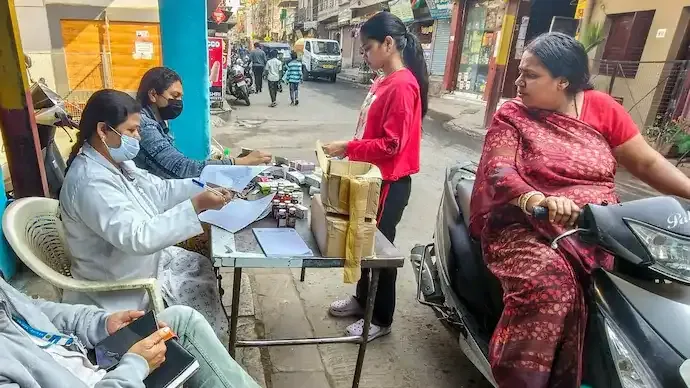
A laboratory investigation has confirmed that contaminated drinking water was the cause behind the severe vomiting–diarrhoea outbreak in Indore, which has claimed at least nine lives and sickened more than 1,400 people. The outbreak, reported from the Bhagirathpura area, has triggered widespread concern over civic oversight in a city often hailed for its cleanliness and urban management.
Health officials said test results from a city-based medical college established that the drinking water supplied to residents in Bhagirathpura was contaminated due to a leakage in the main pipeline. The contamination led to a rapid spread of gastrointestinal illness, overwhelming local healthcare facilities over the past week. While officials did not disclose the full technical findings of the report, they confirmed that the water was unsafe for consumption.
According to the city administration, a critical leak was found near a police outpost in Bhagirathpura at a location where a toilet had been constructed directly over the main water supply pipeline. Authorities believe sewage seeped into the pipeline through the damaged section, polluting the drinking water distributed to nearby households. Following the discovery, officials initiated inspections of the entire pipeline network in the area to identify any additional vulnerabilities.
Additional Chief Secretary Sanjay Dubey said clean water supply was restored after repairs were carried out, though residents were advised to boil water before use as a precautionary measure. Fresh water samples have been collected and sent for testing to ensure the system is safe. Dubey added that lessons from the Bhagirathpura incident would be used to frame a state-wide standard operating procedure to prevent similar crises in the future.
The outbreak has drawn the attention of the National Human Rights Commission, which issued a notice to the Madhya Pradesh government over the deaths. The commission noted reports that residents had complained about foul-smelling and contaminated water for several days before the outbreak escalated, alleging that timely action was not taken despite repeated warnings.
Chief Minister Mohan Yadav described the situation as an “emergency-like” public health crisis and assured strict action against those found responsible. He visited hospitals in Indore to assess the condition of patients and later chaired a high-level review meeting with senior officials to monitor containment measures and healthcare preparedness.
Health department data shows the scale of the outbreak has been extensive. A door-to-door survey covering 1,714 households examined 8,571 residents, with 338 people showing mild symptoms treated at home. Since the outbreak began eight days ago, 272 patients have been hospitalised. While 71 have been discharged, 201 patients remain under treatment, including 32 admitted to intensive care units.
The incident has raised uncomfortable questions about infrastructure safety and governance in a city that has topped cleanliness rankings for eight consecutive years. As authorities continue emergency measures, public health experts have stressed the need for stricter monitoring of water pipelines, especially in densely populated areas where sewage and drinking water lines run close to each other.
With investigations ongoing and accountability being sought, the Indore water contamination case stands as a stark reminder that sanitation rankings alone do not guarantee safe civic infrastructure unless backed by rigorous maintenance and rapid response systems.
Prev Article
Air India Pilot Accused of Reporting for Duty Drunk in Canada, Faces Probe
Next Article
Cold Wave to Intensify in Delhi as Temperatures Drop, Air Quality Improves