Shopping cart
Your cart empty!


Your cart empty!
Terms of use dolor sit amet consectetur, adipisicing elit. Recusandae provident ullam aperiam quo ad non corrupti sit vel quam repellat ipsa quod sed, repellendus adipisci, ducimus ea modi odio assumenda.
Lorem ipsum dolor sit amet consectetur adipisicing elit. Sequi, cum esse possimus officiis amet ea voluptatibus libero! Dolorum assumenda esse, deserunt ipsum ad iusto! Praesentium error nobis tenetur at, quis nostrum facere excepturi architecto totam.
Lorem ipsum dolor sit amet consectetur adipisicing elit. Inventore, soluta alias eaque modi ipsum sint iusto fugiat vero velit rerum.
Sequi, cum esse possimus officiis amet ea voluptatibus libero! Dolorum assumenda esse, deserunt ipsum ad iusto! Praesentium error nobis tenetur at, quis nostrum facere excepturi architecto totam.
Lorem ipsum dolor sit amet consectetur adipisicing elit. Inventore, soluta alias eaque modi ipsum sint iusto fugiat vero velit rerum.
Dolor sit amet consectetur adipisicing elit. Sequi, cum esse possimus officiis amet ea voluptatibus libero! Dolorum assumenda esse, deserunt ipsum ad iusto! Praesentium error nobis tenetur at, quis nostrum facere excepturi architecto totam.
Lorem ipsum dolor sit amet consectetur adipisicing elit. Inventore, soluta alias eaque modi ipsum sint iusto fugiat vero velit rerum.
Sit amet consectetur adipisicing elit. Sequi, cum esse possimus officiis amet ea voluptatibus libero! Dolorum assumenda esse, deserunt ipsum ad iusto! Praesentium error nobis tenetur at, quis nostrum facere excepturi architecto totam.
Lorem ipsum dolor sit amet consectetur adipisicing elit. Inventore, soluta alias eaque modi ipsum sint iusto fugiat vero velit rerum.
Do you agree to our terms? Sign up
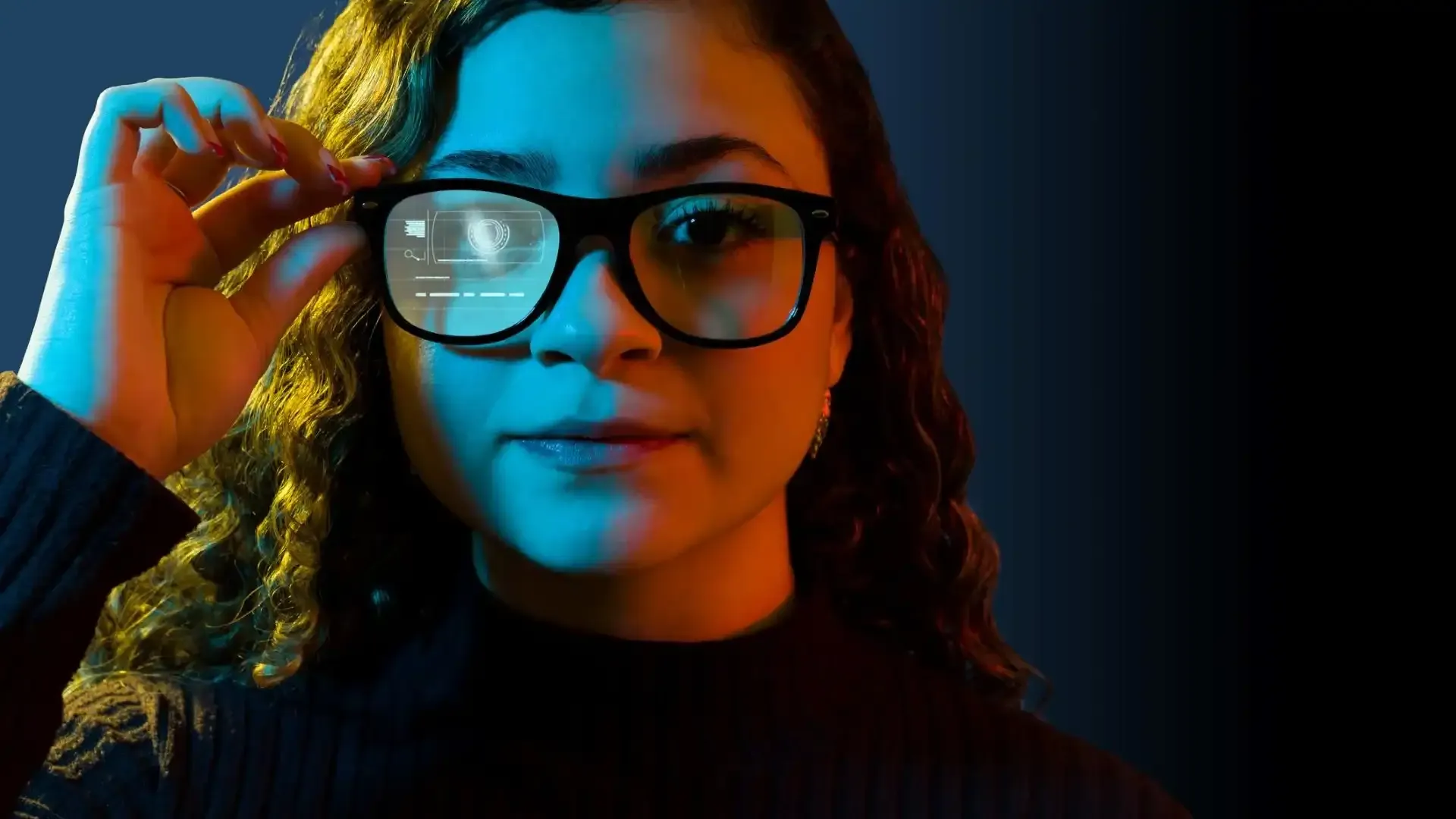
Technology meant to simplify daily life is increasingly being misused in ways that raise serious concerns about women’s safety and privacy. Smart glasses—marketed as tools for hands-free photos, live translation, and AI-powered assistance—are now emerging as covert recording devices, enabling non-consensual filming in public spaces.
Across the United States and the United Kingdom, women are reporting unsettling encounters where casual conversations with strangers later resurface online as viral videos. Filmed discreetly through camera-equipped glasses, these clips are often uploaded to social media platforms without consent, accompanied by degrading captions and comments.
What makes smart glasses particularly concerning is their invisibility. Unlike smartphones, which are obvious when pointed at someone, wearable cameras blend seamlessly into everyday eyewear. This has made them a tool of choice for so-called “pick-up artists”—men who record interactions with women in public spaces such as beaches, supermarkets, streets, and transport hubs, later using the footage as content.
Several women have described the experience as deeply violating. Victims have said they were unaware they were being recorded and only discovered the footage after it appeared online. In many cases, the recordings target women perceived as vulnerable, including those who are alone or intoxicated, amplifying fears of harassment disguised as content creation.
The issue has extended beyond casual filming. In the UK, a man was prosecuted after secretly recording intimate acts using wearable camera glasses, without the woman’s consent. Despite the seriousness of the offence, the case highlighted how existing laws often fail to deliver proportionate consequences. Similar incidents have been reported in the US, including one involving a content creator who discovered she had been filmed in a supermarket using Ray-Ban Meta glasses.
Concerns have escalated to the point where MSC Cruises has reportedly banned smart glasses onboard its ships, citing privacy and safety risks. The move reflects growing unease about wearable surveillance in shared spaces.
Technology companies argue that safeguards exist. Some smart glasses include LED indicators that light up during recording. However, experts say these measures are inadequate. The lights are often too small to notice in daylight and may not activate for still images or voice-triggered recordings. Cheaper models may skip indicators altogether, leaving bystanders unaware they are being filmed.
The legal landscape offers limited protection. In many US states and parts of the UK, filming in public spaces is legal as long as there is no “reasonable expectation of privacy.” This interpretation, shaped in the era of handheld cameras, struggles to address always-on wearable devices. What feels like harassment to those filmed often does not meet the threshold for legal action.
In India, the challenge is even more pronounced. Smart glasses are already available, but regulatory clarity is lacking. The Digital Personal Data Protection Act does not mandate consent or notification for bystanders recorded in public spaces using wearables. There is also no clear mechanism for individuals to demand access to or deletion of footage in which they appear without consent.
India has already seen incidents involving smart glasses inside restricted and sensitive spaces, including temples and legislative premises, despite photography bans. These cases underline how technology is arriving faster than the rules governing its use.
As wearable tech becomes more common, experts warn that the risks will only grow. Awareness remains the first line of defence—knowing that not all recording devices are visible, and understanding the limitations of current laws. However, meaningful change will require updated legislation, enforceable tech standards, and clearer rights for individuals unknowingly captured on camera.
Without these safeguards, smart glasses risk becoming tools of silent surveillance—especially for women navigating public spaces.
6
Published: 21h ago

All India Story is your trusted source for comprehensive and up-to-the-minute news coverage across India. Bringing you the latest on politics, business, technology, entertainment, sports, and more, we are dedicated to keeping you informed with accurate, engaging, and insightful stories from every corner of the nation.