

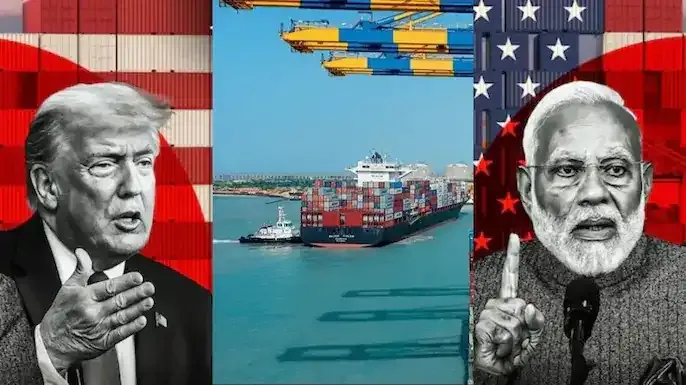

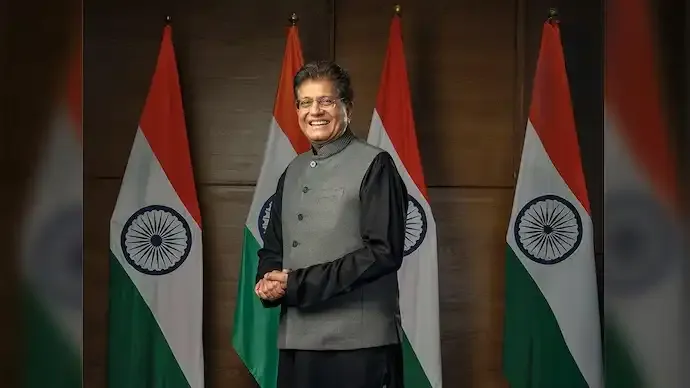
The newly announced India–US trade understanding is being projected as a major boost for farmers, skilled professionals, exporters, and domestic industries, with the government and industry bodies expressing optimism over its economic impact. Commerce and Industry Minister Piyush Goyal said the agreement would unlock fresh opportunities across sectors and strengthen India’s global trade footprint.
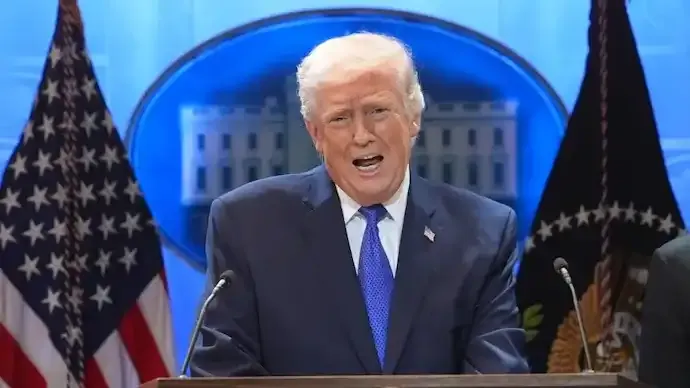
The development follows US President Donald Trump announcing a reduction in reciprocal tariffs on Indian goods from 25 per cent to 18 per cent after speaking with Prime Minister Narendra Modi. The move signals an easing of trade frictions that had intensified after Washington imposed steep duties on Indian exports last year. PM Modi welcomed the decision, stating that “Made in India” products would now face lower barriers in the US market.
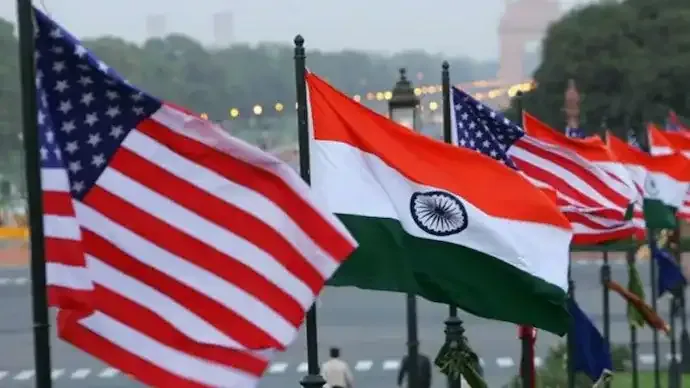
Goyal described the agreement as a reflection of cooperation between two like-minded democracies, calling India and the United States “natural allies” working toward shared prosperity. He said the pact aligns with India’s broader vision of “Make in India for the world, Design in India for the world, and Innovate in India for the world,” and is expected to accelerate export-led growth while strengthening domestic manufacturing.

Industry groups believe the tariff cut could support a sustained recovery in exports during 2026. Exporters said the earlier 50 per cent levy—introduced in August and comprising a 25 per cent reciprocal tariff plus an additional penalty—had sharply reduced competitiveness and squeezed margins across sectors. With the revised structure, companies are preparing for stronger order inflows from American buyers and are reassessing pricing and shipment plans.
Official data underlines the scale of bilateral trade. During April–December of the current financial year, India’s exports to the US rose nearly 10 per cent to about USD 65.9 billion, while imports increased to over USD 39 billion. However, December saw a dip in exports due to high tariffs, highlighting the impact of trade barriers and the potential upside from the new agreement.
Labour-intensive sectors such as textiles, apparel, leather, footwear, and marine products are expected to be among the biggest beneficiaries. Export promotion bodies said lower tariffs would narrow price gaps with Asian competitors and help Indian suppliers regain market share. The Federation of Indian Export Organisations said the pact could lead to the immediate release of export orders that had been put on hold, particularly ahead of the summer buying season.
Think tanks and analysts, however, have called for clarity on implementation. The Global Trade Research Initiative said exporters need product-wise details, timelines, and compliance requirements to fully capitalise on the tariff relief. Many are awaiting a formal executive order from the US outlining operational aspects of the deal.
The US-India Strategic Partnership Forum described the tariff reduction as an important first step, noting that deeper cooperation could strengthen supply chains and economic resilience. Business chambers on both sides have credited sustained leadership-level engagement for the breakthrough and expect the agreement to unlock greater private-sector collaboration in manufacturing, technology, and services.
While several elements of the trade pact are yet to be finalised, the early response from industry and policymakers suggests that the deal could mark a turning point in India–US economic ties, boosting confidence among exporters, investors, farmers, and skilled workers alike.





Conversation
Be kind and stay on topic. Comments are moderated; abuse, spam and personal attacks are removed. Report a problem