

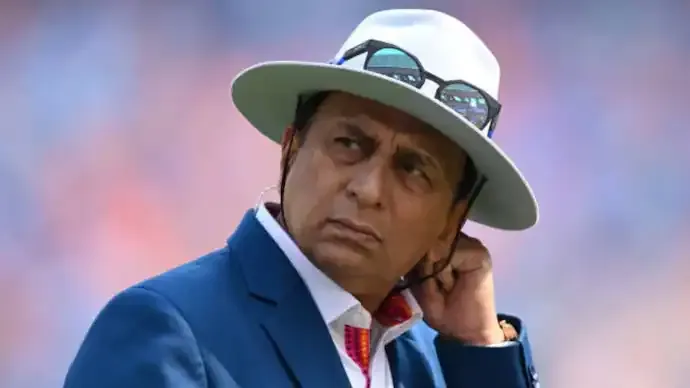

Former India captain Sunil Gavaskar has openly mocked Pakistan’s decision to boycott its marquee T20 World Cup 2026 clash against India, suggesting that mounting pressure could eventually force Islamabad into a familiar U-turn. Drawing a sharp parallel with Pakistan cricketers who have repeatedly reversed retirement decisions, Gavaskar said the boycott announcement may not last long once global scrutiny intensifies.
Reacting to the controversy, Gavaskar remarked that Pakistan has a history of backtracking on major calls when pressure builds from within and outside the country. He hinted that reactions from former players, fans, and international cricket stakeholders could push Pakistan to rethink its position well before the scheduled India–Pakistan league-stage match on February 15 in Colombo.
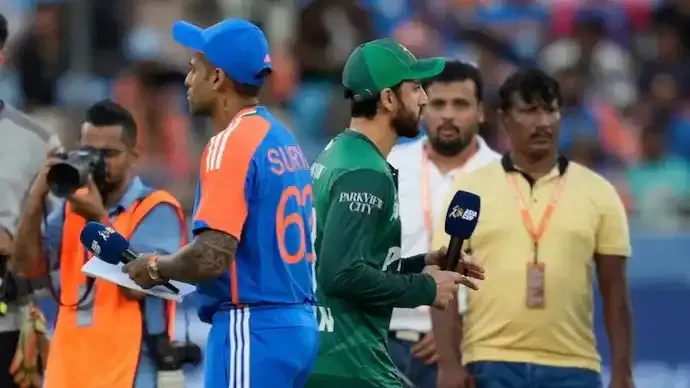
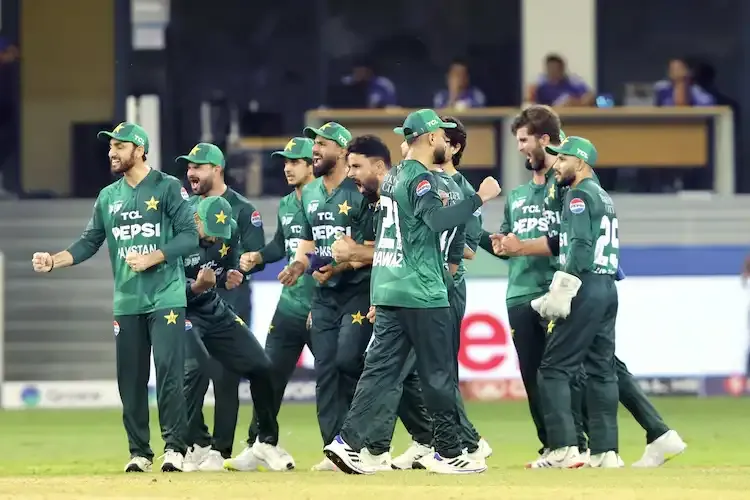
India and Pakistan were set to face each other in one of the most anticipated fixtures of the T20 World Cup 2026. However, the Pakistan government sparked widespread debate after announcing that the national team would boycott the match. The move followed earlier statements by Pakistan’s cricket chief and interior minister, who had threatened withdrawal from the tournament in solidarity with Bangladesh after it was replaced by Scotland in the expanded competition.

Gavaskar questioned the logic behind such decisions, noting that reversals are not uncommon in Pakistan cricket. He pointed to the frequent pattern of players announcing retirements only to return days later, often citing fan pressure or changing circumstances. According to him, the same script could unfold in this case, with Pakistan eventually agreeing to play the match after assessing the consequences.
The former opener also warned that the International Cricket Council is unlikely to treat selective participation lightly. He stressed that the ICC’s hybrid model—under which India and Pakistan play at neutral venues—was specifically designed to accommodate both teams amid long-standing bilateral tensions. Refusing to play despite these arrangements, Gavaskar argued, could leave Pakistan exposed to disciplinary action.
The ICC has already voiced serious concern over the boycott threat, stating that such a move could undermine the integrity of a global tournament. While the governing body is still awaiting formal communication from the Pakistan Cricket Board, it has cautioned that decisions of this nature do not serve the interests of the sport or its global audience, including fans within Pakistan.
Indian officials, meanwhile, have maintained that the team will follow protocol. India is expected to travel to Colombo as scheduled, take part in training sessions, complete media commitments, and leave the final call to match officials and the referee. This stance reflects India’s position that participation in ICC events should remain insulated from political developments.
Former India spinner Harbhajan Singh also weighed in, warning Pakistan to be prepared for sanctions if it follows through on its boycott. He noted that the India–Pakistan fixture is a major revenue driver for global cricket and that any disruption could significantly impact the ICC’s commercial interests. According to him, the ICC would be well within its rights to impose penalties if Pakistan refuses to play without valid contractual or security reasons.
The India–Pakistan rivalry remains the most lucrative and widely watched contest in world cricket. Since 2012, the ICC has consistently placed the two teams in the same group at major tournaments to preserve the sporting and commercial value of the fixture. If Pakistan holds firm, the T20 World Cup 2026 could become the first men’s ICC event since 2010 without an India–Pakistan clash—an outcome that may prompt strong action from the global body.







Conversation
Be kind and stay on topic. Comments are moderated; abuse, spam and personal attacks are removed. Report a problem