
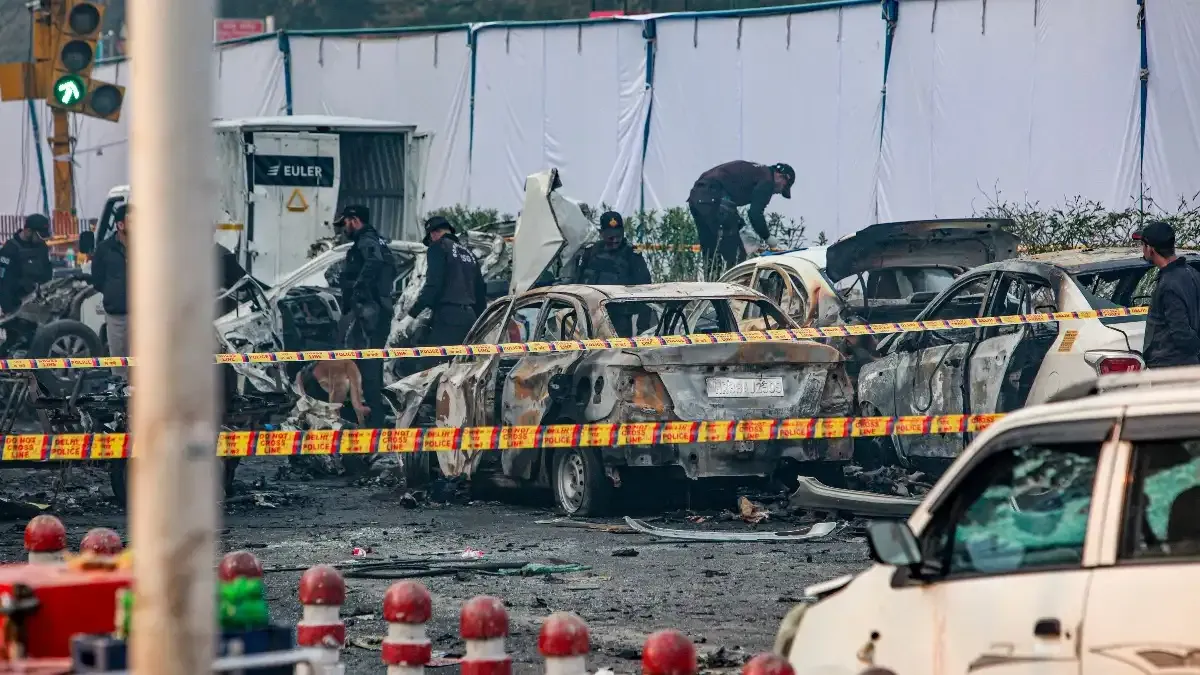
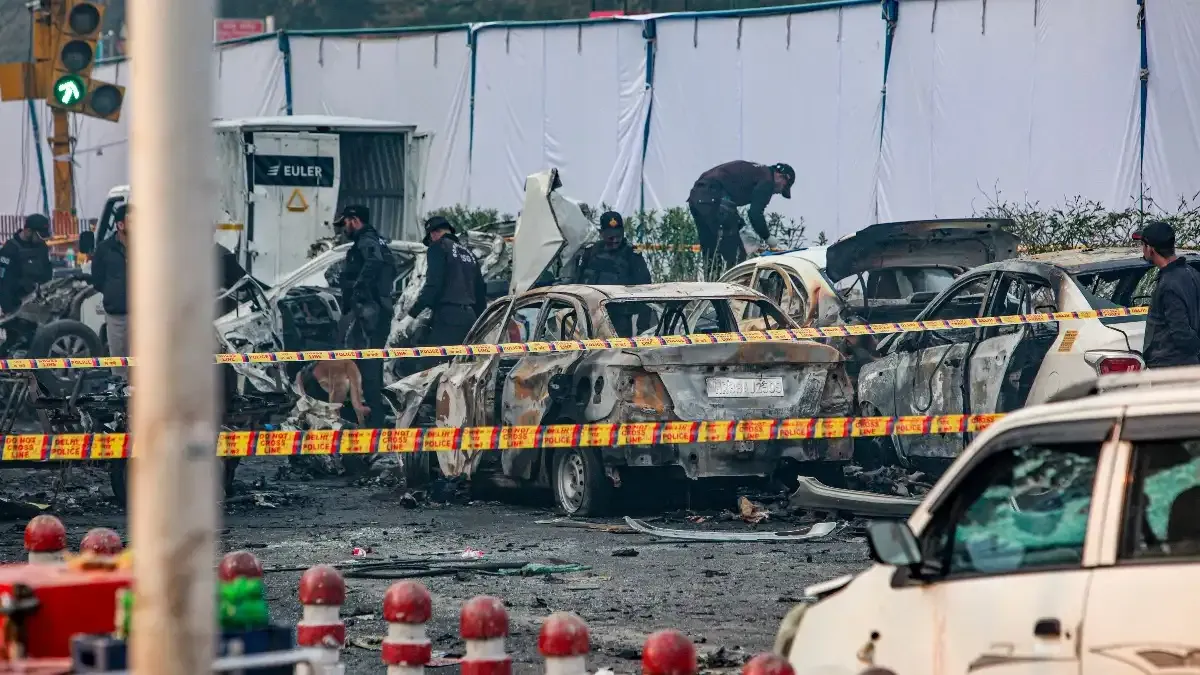
Central agencies investigating the November 10 car blast near Delhi’s Red Fort have uncovered disturbing details of a much wider terror conspiracy, revealing that the attackers were planning high-visibility strikes on outlets of a global coffee chain across Delhi and other major Indian cities.
Sources familiar with the investigation said the plan was aimed at creating maximum psychological and political impact, with targets selected for their international brand value and symbolic relevance. The accused allegedly viewed the coffee chain as representing Western and Jewish influence, intending to link the proposed attacks with global political narratives, particularly the conflict in Gaza.
The revelations emerged during sustained interrogation of multiple accused arrested in connection with the blast that killed 15 people and injured dozens when an explosive-laden car detonated near the Red Fort. Officials said the module had initially debated limiting operations to Jammu and Kashmir, targeting security forces. However, Umar-un-Nabi, identified as the suicide attacker who died in the explosion, allegedly pushed for strikes outside the Valley to ensure national and international attention.
Investigators believe Umar-un-Nabi was the ideological and operational driver of the plan, advocating attacks on crowded civilian locations to amplify fear and media visibility. His stance reportedly led to internal friction within the group, with several members opposing civilian targets.
The probe has so far resulted in the arrest of nine individuals, including three doctors, prompting agencies to describe the network as a “white-collar terror module.” Officials said the presence of highly educated professionals reflects an evolving pattern in radicalisation, where technical expertise is being leveraged for complex terror planning.
One of the key accused, Jasir Wani, was reportedly recruited for his technical skills and assigned the task of converting drones into weaponised platforms. During questioning, Wani allegedly disclosed that the group explored Hamas-style coordinated attacks, including synchronised car bombings in multiple cities to overwhelm security responses.
Sources further revealed that Umar-un-Nabi attempted to radicalise Wani into becoming a suicide bomber. While Wani resisted the role, he later agreed to assist operationally, indicating the coercive and manipulative tactics used within the module.
Investigators have also linked the accused to banned terror outfits including Ansar Ghazwat-ul-Hind and Jaish-e-Mohammed. Intelligence inputs suggest the group sought to merge local grievances with global extremist propaganda to justify attacks beyond traditional conflict zones.
The investigation initially began after security agencies recovered extremist pamphlets in Srinagar in October 2025, triggering heightened surveillance. Following the Red Fort blast, the case was transferred to the National Investigation Agency, which is now leading the probe.
Authorities are currently examining whether the plan to target the global coffee chain progressed beyond internal discussions. This includes assessing reconnaissance activities, surveillance of specific outlets, and logistical preparations. Officials stressed that no final conclusions will be drawn until forensic analysis and digital evidence reviews are complete.
Security agencies remain on high alert, warning that terror modules are increasingly seeking symbolic civilian targets to internationalise local extremist agendas. The investigation continues.



Conversation
Be kind and stay on topic. Comments are moderated; abuse, spam and personal attacks are removed. Report a problem