

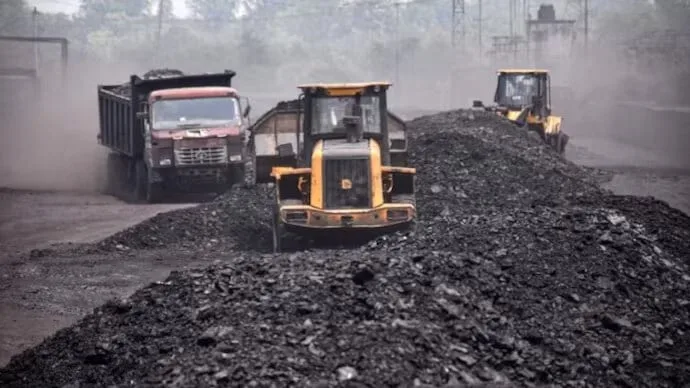

India’s mineral imports reached ₹10.12 lakh crore in FY26, highlighting the challenge of meeting domestic demand through local production. Despite more than 720 mineral blocks being auctioned since 2015, only 105 have become operational, raising questions about the pace of expanding India’s domestic mineral supply.
The figures come as the government seeks to improve regulatory predictability in the mining sector through amendments to the Mines and Minerals (Development and Regulation) Act, 1957. The changes aim to establish a common framework for state levies on mineral rights and mineral-bearing land.
States Earn ₹7.67 Lakh Crore From Minerals
Mineral revenue has become a significant contributor to state finances. States received ₹7.67 lakh crore from minerals between FY15 and FY26, with annual receipts reaching ₹1.14 lakh crore.

The Mines and Minerals (Development and Regulation) Amendment Act, 2026, was passed during Parliament’s Monsoon Session and came into force on August 22, 2026.
The amendment introduces a common reference framework for state levies on mineral rights and mineral-bearing land, defines mineral-bearing land and inserts Section 9D into the principal legislation. Under the revised framework, state levies will be governed by conditions prescribed by the Centre.
Existing payments, including royalties, auction premiums, District Mineral Foundation (DMF) contributions and the National Mineral Exploration and Development Trust levy, will continue.
Only 105 Auctioned Mining Blocks Operational
The gap between auctions and operational mines remains a major challenge for the sector. Although more than 720 mineral blocks have been auctioned since 2015, just 105 have entered operation.
Around 100 operational auctioned mines generated approximately ₹96,000 crore in premium, according to the figures cited in the report.
Odisha leads among states in operationalising auctioned blocks, with 35 of its 79 auctioned mines operational. Another 44 blocks remain in the pipeline.
The country also has 656 District Mineral Foundations, which support development initiatives in mining-affected areas.
Domestic Production Key to Reducing Import Dependence
Greater regulatory predictability could help companies plan investments, but translating auctions into active mines remains essential to increasing domestic mineral availability.
With imports reaching ₹10.12 lakh crore in FY26, faster operationalisation of mining blocks could help narrow the gap between domestic demand and local supply. The pace of production growth will be crucial to determining how much India can reduce its reliance on imported minerals.
Official link: Ministry of Mines, Government of India







Conversation
Be kind and stay on topic. Comments are moderated; abuse, spam and personal attacks are removed. Report a problem