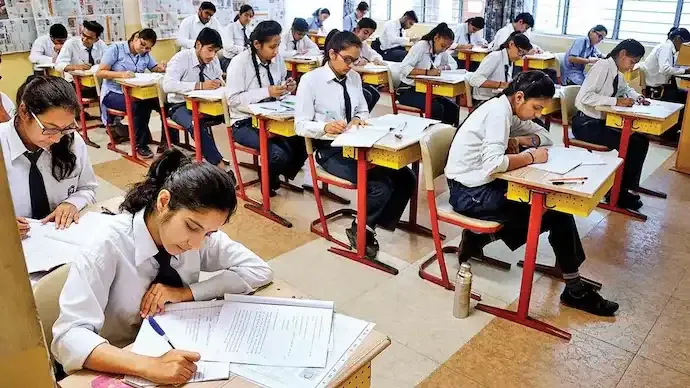
A clear shift is emerging in India’s higher education landscape, highlighting a growing disconnect between parental preferences and student choices. Courses that parents have traditionally viewed as safe and respectable—such as broad humanities, general business degrees, and some pure science programmes—are steadily losing favour among students. Admission data and hiring trends from 2025 indicate that young learners are increasingly prioritising courses that offer direct career pathways, practical skills, and faster employability.
For decades, degrees in arts, humanities, and general commerce were considered flexible options that kept multiple career doors open. However, this perception is no longer shared by many students. Universities across the country are witnessing declining enrolment in several traditional programmes. At University of Kerala, for instance, some conventional courses struggled to fill seats during recent admission cycles. Programmes such as BSc Mathematics and Computer Applications reportedly attracted only a fraction of their sanctioned capacity, while certain vocational degrees in areas like IT and tourism saw near-zero enrolment.
This trend reflects a broader change in how students evaluate education. Rather than opting for degrees with undefined outcomes, learners are increasingly drawn to programmes that connect clearly to jobs, industries, or professional roles. Generic humanities and social science courses, unless paired with specialised skills, are often seen as offering limited immediate returns in a competitive job market.
A similar pattern is visible in traditional business and management education. Many parents continue to encourage degrees like BBA, BCom, or general management programmes, believing they provide stability and versatility. However, employer expectations have evolved. Recruiters now place greater emphasis on practical competencies such as data analysis, digital marketing, financial modelling, and real-world project experience. As a result, students are becoming wary of business degrees that focus heavily on theory without integrating job-ready skills.
Pure science streams present another area of divergence. Parents often see degrees in physics, chemistry, or mathematics as markers of academic strength and long-term potential. Students, however, are gravitating towards applied and life science disciplines that offer clearer professional trajectories. Courses linked to healthcare, biotechnology, environmental science, and research-oriented roles are gaining traction. At University of Delhi, admissions trends have shown subjects like BSc Zoology rising sharply in preference rankings, overtaking once-popular choices such as honours English.
Interestingly, this shift does not extend uniformly across all traditional fields. Engineering and medicine continue to attract strong student interest, not merely due to parental pressure but because of their established career outcomes. What has changed is the internal preference within these domains, with applied engineering branches and clinical medical programmes remaining in demand, while less outcome-driven options lose appeal.
Another long-held aspiration that is losing its sheen is studying abroad. While many parents still view foreign degrees as prestigious, students are reassessing their value. Rising tuition fees, higher living costs, stricter visa norms, and uncertainty around post-study employment have led to a noticeable decline in Indian students choosing destinations such as Canada, the UK, and the US. Increasingly, learners are weighing return on investment more carefully before committing to overseas education.
In place of these declining choices, students are opting for STEM and applied science degrees, professional programmes with quicker entry into the workforce, vocational and technical education, and short-term skill-based courses that enhance employability early. The trend underscores a demand for relevance, clarity, and measurable outcomes.
As India’s education ecosystem evolves, the message from students is consistent: degrees with vague career prospects are losing relevance. Unless traditional courses adapt by aligning more closely with skills and real-world applications, the gap between what parents recommend and what students choose is likely to widen further.
Prev Article
CBSE Revises Class 10, 12 Board Exam Datesheet 2026, Select Papers Postponed
Next Article
IIT Hyderabad Student Bags Rs 2.5 Crore Package, Highest Ever at Institute