

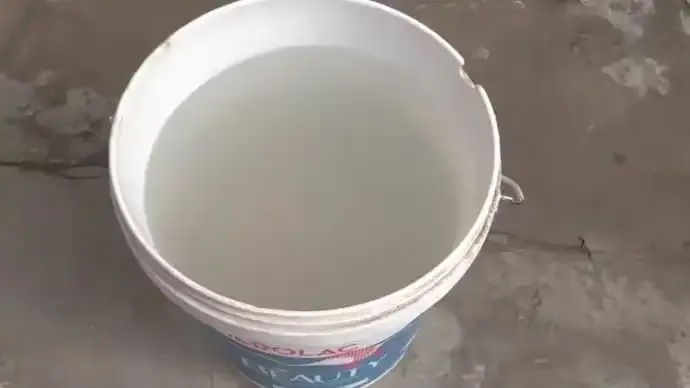

Authorities in Haryana are investigating a series of deaths in Chayansa village of Palwal district, where at least 12 residents — including five schoolchildren — have died over the past two weeks. Health officials and villagers suspect contaminated drinking water may be a contributing factor, although the exact cause remains under investigation.
The deaths reportedly began about 15 days ago following sudden illness, and the number has steadily increased. Residents say many households now have members suffering from fever, cough, vomiting, body aches, and other symptoms. Several patients remain in serious condition despite repeated hospital visits.
Health Teams Conduct Large-Scale Screening
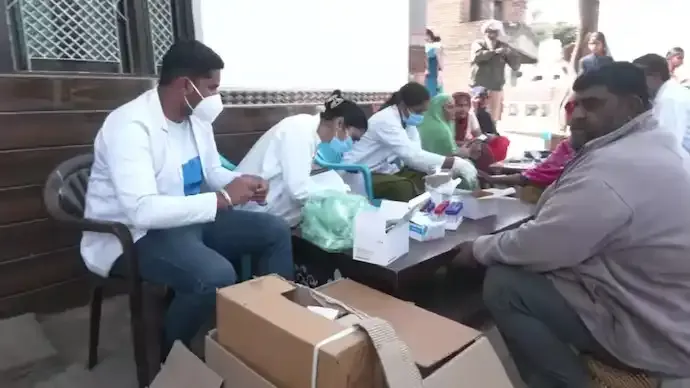
Medical teams from the health department have been stationed in the village to conduct screenings and collect samples. Hundreds of residents have undergone testing as officials attempt to determine the source of the illnesses.

Authorities began investigations earlier this month, collecting medical records and biological samples. Of approximately 300 blood samples tested so far, only two confirmed Hepatitis B or C infections. More than 400 villagers have been screened as part of the ongoing health assessment.
Water Quality Under Scrutiny
Residents have raised concerns about the safety of drinking water, pointing to multiple water sources used in the village. Chayansa’s population of roughly 5,000 depends on limited municipal supply, tanker deliveries, RO-treated water from nearby areas, and underground storage tanks in homes.
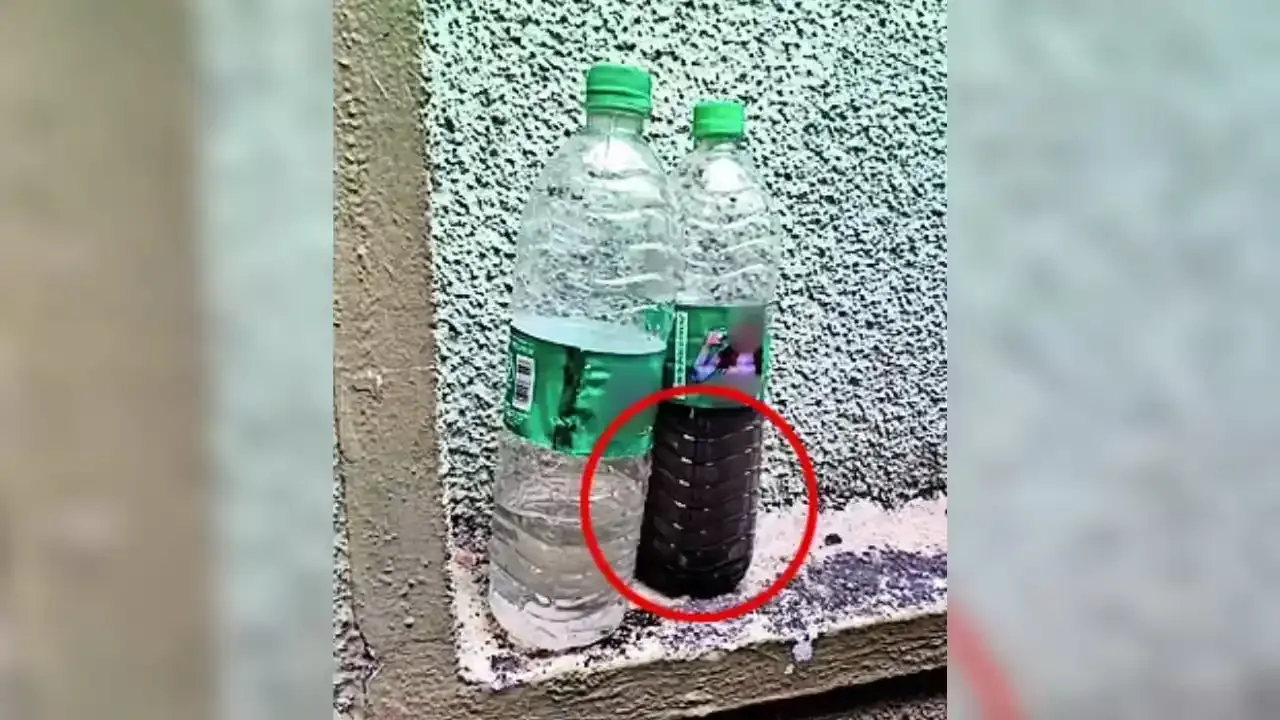
Water testing has revealed potential contamination. Of 107 household water samples collected, 23 failed quality checks due to bacterial growth and insufficient chlorination in stored water. Officials are examining whether unsafe storage conditions or contamination in supply systems may have contributed to the health crisis.
Villagers have also questioned inconsistencies in reported causes of death, noting that while Hepatitis infections were identified in some cases, others were attributed to liver complications and multi-organ failure.
Concerns Over Waterborne Diseases
Public health experts note that contaminated drinking water can spread bacterial and viral infections, particularly when storage tanks are poorly maintained or chlorination is inadequate.
The use of multiple water sources, irregular tank cleaning, and improper storage practices can increase the risk of contamination, especially in rural and semi-urban areas.
Similar Incidents Raise Broader Concerns
The situation has drawn comparisons with recent water contamination outbreaks in other parts of India, where bacterial contamination led to widespread illness and fatalities. Experts say such incidents highlight systemic challenges, including ageing infrastructure, poor monitoring, and delayed responses to public complaints.
Concerns about drinking water quality have also surfaced in parts of the National Capital Region, where residents have reported contamination and health issues linked to supply systems.
Preventive Measures and Ongoing Investigation
Health officials continue to monitor the situation, conduct screenings, and test water sources to identify the root cause. Authorities are expected to issue further advisories once conclusive findings emerge.
Experts recommend regular cleaning of storage tanks, proper chlorination, safe handling of drinking water, and prompt reporting of contamination signs to prevent waterborne disease outbreaks.
As investigations continue, the incident has underscored the urgent need for safe water management practices and stronger public health monitoring to protect vulnerable communities.






Conversation
Be kind and stay on topic. Comments are moderated; abuse, spam and personal attacks are removed. Report a problem