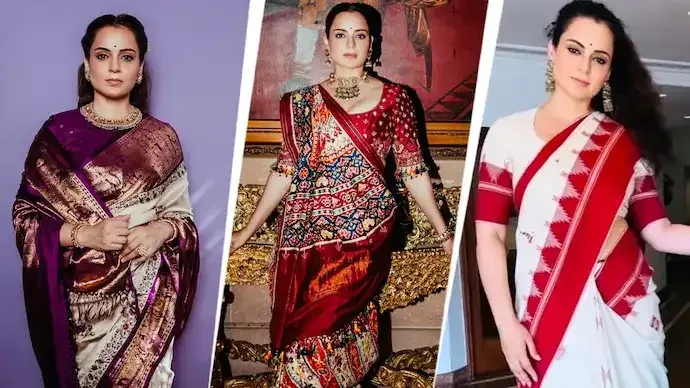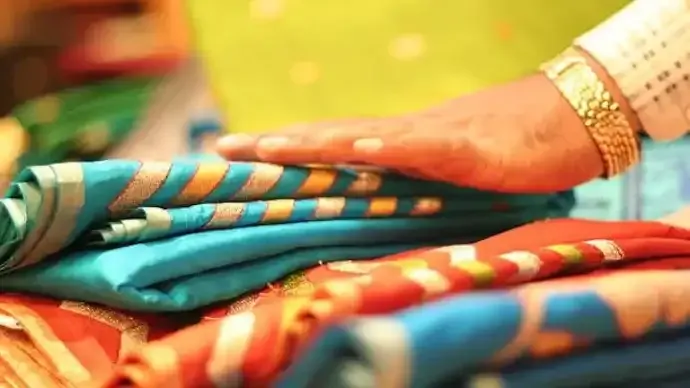
A viral video showing women lining up outside a Karnataka Silk Industries Corporation (KSIC) showroom in Bengaluru at 4 am has sparked nationwide discussion about the rising demand for Mysore silk sarees. The clip, widely shared on social media, captured long queues of buyers waiting before sunrise — not for gadgets or concert tickets, but for a traditional saree that has become a symbol of heritage luxury in modern India.
The surge in demand has led many observers to compare Mysore silk sarees to global luxury items known for exclusivity and long waiting lists. Limited availability during peak seasons, growing popularity among younger consumers, and renewed design innovation have contributed to the heightened demand.
Rising Demand Driven by Changing Consumer Trends
KSIC officials have clarified that the demand surge is not due to artificial scarcity. Production has steadily increased in recent years. During 2023–24, approximately 5.46 lakh metres of silk fabric were produced, while output rose to about 5.72 lakh metres in 2024–25. By December of the current financial year, production had already crossed 4.75 lakh metres.
Despite increased output, demand continues to exceed supply.
Industry experts attribute the surge to two major shifts. Younger buyers, who once preferred contemporary attire, are now embracing silk sarees as cultural fashion statements. At the same time, design reinvention has played a significant role. Since 2023, KSIC has introduced dozens of new designs and expanded its colour palette beyond traditional shades to include pastels and modern tones suitable for office wear and everyday elegance.
Why Supply Cannot Expand Rapidly
Unlike mass-produced fashion items, silk weaving is a skilled and time-intensive craft. KSIC has added new looms and upgraded silk thread production facilities to increase output. However, scaling production requires trained weavers, and mastering complex weaving techniques can take years.
The distinctive shine of Mysore silk sarees comes from a traditional post-weaving dyeing process that dates back nearly two centuries. While this method ensures superior quality and durability, it also adds time to production.
As wedding seasons and festive demand intersect with renewed popularity, temporary shortages and queues at retail outlets have become common.
What Makes Mysore Silk Unique
Mysore silk sarees are known for their purity and craftsmanship. KSIC uses high-quality silk and authentic gold and silver zari threads, ensuring durability and heirloom value. Each saree carries a unique identification number that verifies authenticity.
Prices typically start around ₹23,000 and can exceed ₹1 lakh depending on design complexity and zari content. Custom colour orders are also available, though they may take several weeks due to the weaving and dyeing process.
Heritage, Trust and Heirloom Value
The legacy of Mysore silk dates back to the late 18th century, when sericulture was introduced in the region and later expanded under royal patronage. Over time, the craft evolved into a state-supported industry, preserving traditional weaving techniques while adapting to modern design preferences.
Today, Mysore silk sarees are produced in hundreds of colours and designs while maintaining strict quality standards. Their durability and timeless appeal make them heirloom pieces often passed down through generations.
A Symbol of Cultural Luxury
The growing queues outside showrooms reflect more than seasonal demand. They signal a shift in consumer perception, where traditional attire is increasingly viewed as both cultural pride and luxury fashion.
In an era of fast fashion, Mysore silk sarees represent craftsmanship, authenticity, and heritage value. For many buyers, owning one is not just a purchase — it is an investment in tradition and identity.