
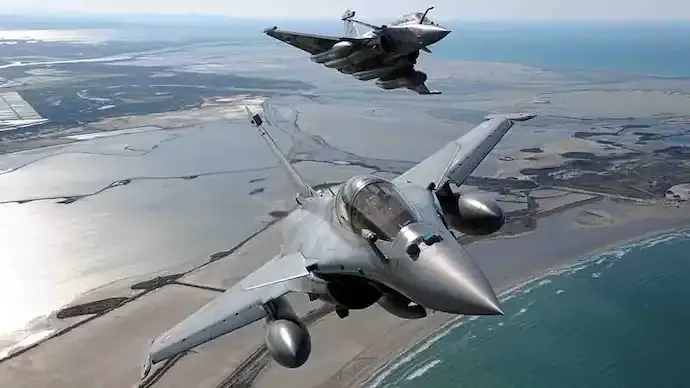
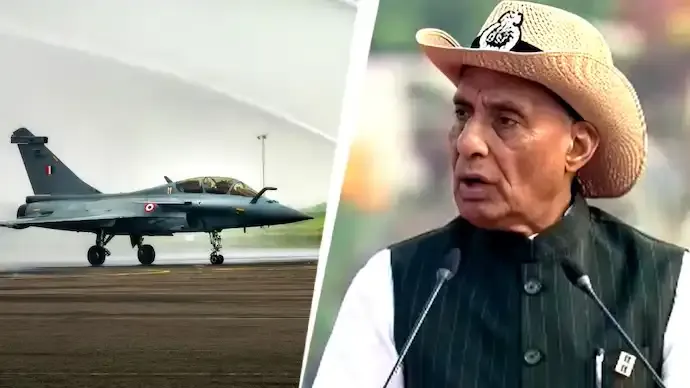
India is preparing to sign a major defence agreement with France to procure 114 Rafale fighter jets, a move expected to significantly strengthen the Indian Air Force (IAF) and reshape the country’s military aviation ecosystem. The agreement is expected to be finalized in the coming months and will be a central topic during high-level diplomatic engagements between the two nations.
The proposed acquisition comes at a crucial time for the IAF, which currently operates only 29 fighter squadrons against a sanctioned strength of 42. Meanwhile, regional security dynamics continue to evolve, with China rapidly expanding its air power and Pakistan maintaining a sizable fleet. Defence planners consider the Rafale induction vital to maintaining operational readiness and strategic deterrence.
Addressing Squadron Shortfalls
The IAF urgently requires new aircraft to compensate for aging fleets and delayed deliveries of indigenous fighter jets. While India operates 36 Rafales inducted earlier and the Navy has ordered naval variants for aircraft carrier operations, the additional 114 jets would significantly strengthen operational capabilities.
The Rafale is a multirole fighter capable of air superiority, deep strike missions, reconnaissance, maritime operations, and nuclear deterrence roles. With a range of approximately 1,800 km and the ability to carry heavy ordnance loads, the aircraft offers versatility across combat scenarios.
Boost to Domestic Aerospace Manufacturing
One of the most significant aspects of the deal is the establishment of a new fighter aircraft production line in India. Unlike previous arrangements dominated by state-owned manufacturing, private sector participation is expected to expand, boosting domestic aerospace capabilities.
Aircraft assembly is likely to take place at facilities in India, with major components manufactured locally. This shift supports the development of an indigenous defence manufacturing ecosystem and reduces dependence on a single production source.
The agreement is also expected to strengthen India’s supply chain network and encourage technology transfer, enabling local firms to gain expertise in advanced aerospace manufacturing.
Strengthening Strategic Partnership with France
France has emerged as a reliable strategic partner in defence cooperation. The Rafale deal reinforces long-standing military ties and opens avenues for joint development projects, including advanced jet engine technology for India’s future fighter programs.
The collaboration also aligns with broader industrial initiatives, including aerospace manufacturing, maintenance facilities, and technology partnerships that could position India as a regional hub for aircraft servicing and support.
Streamlining Fleet and Logistics
Currently, the IAF operates multiple aircraft types, creating logistical and training complexities. Induction of Rafale squadrons in larger numbers could help streamline operations and improve maintenance efficiency.
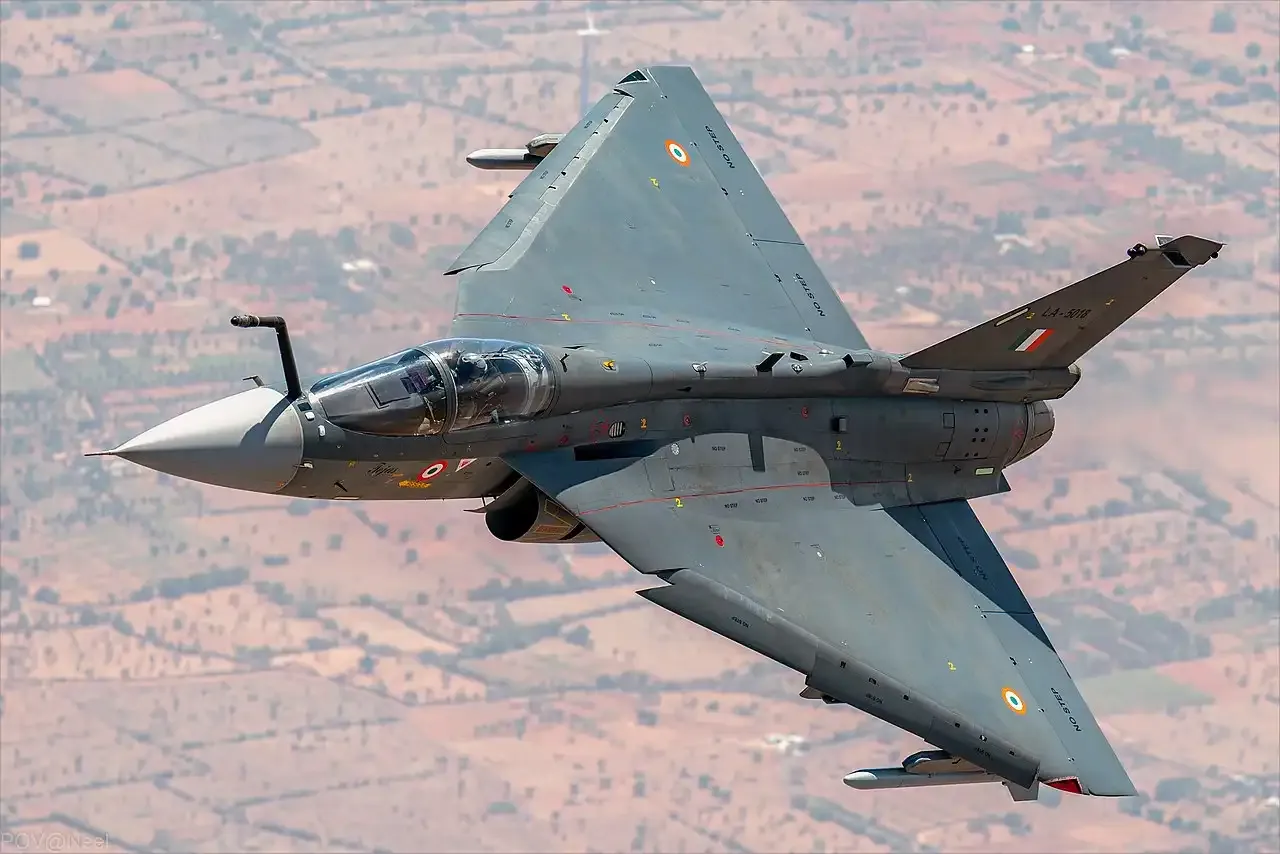
As older aircraft such as MiG-29s, Jaguars, and Mirage 2000s approach retirement in the coming decade, Rafales, along with upgraded Sukhoi fighters and indigenous Tejas jets, are expected to form the backbone of India’s future air combat fleet.
Technology Transfer and Indigenous Capability Growth
The deal emphasizes local manufacturing and technology integration, with a substantial portion of aircraft components expected to be sourced domestically. Expanded local production and maintenance infrastructure could catalyse long-term growth in India’s defence manufacturing sector.
Experts note that building a robust aerospace ecosystem can create skilled jobs, strengthen supply chains, and accelerate future indigenous fighter programs.
Balancing Imports with Self-Reliance Goals
While the Rafale purchase addresses immediate operational gaps, defence analysts stress the importance of maintaining momentum in indigenous programs such as next-generation fighter aircraft and engine development initiatives.
The challenge will be balancing immediate defence needs with long-term goals of self-reliance in defence manufacturing.
Strategic Significance
The Rafale deal represents more than an aircraft purchase. It reflects India’s evolving defence strategy, industrial ambitions, and commitment to strengthening national security while expanding domestic manufacturing capabilities.
As India modernises its air power, the planned Rafale induction is poised to play a central role in enhancing readiness, supporting technological growth, and strengthening strategic partnerships.



Conversation
Be kind and stay on topic. Comments are moderated; abuse, spam and personal attacks are removed. Report a problem