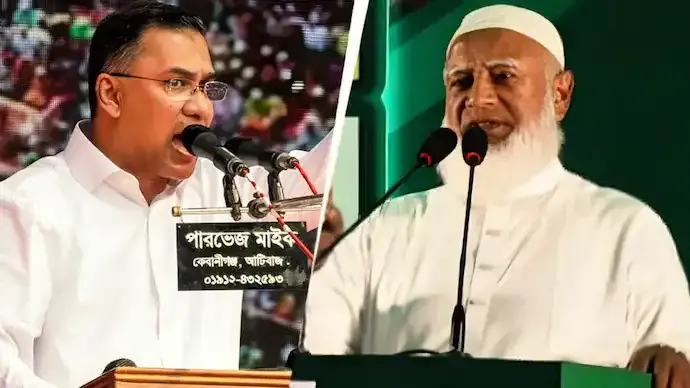
As Bangladesh approaches its crucial February 12 elections, political attention has intensified around the manifestos released by the Bangladesh Nationalist Party (BNP) and Jamaat-e-Islami. The documents outline each party’s approach to foreign policy, relations with India, and the treatment of religious minorities, particularly Hindus, at a time when regional tensions and domestic political shifts remain under global scrutiny.
The upcoming polls mark the first major national election after the dramatic political changes that followed the departure of Sheikh Hasina’s leadership. Over the past decade, India maintained close diplomatic and strategic engagement with Bangladesh under the previous administration. However, the evolving political landscape has introduced uncertainty in bilateral ties, making the election outcome significant for regional stability.
The BNP manifesto emphasises an independent foreign policy based on equality and mutual respect with all nations. Party leadership has stressed that Bangladesh would avoid aligning itself with any external power, underlining a “nation-first” approach. The manifesto signals that future diplomatic relations would be guided by sovereignty and balanced engagement, an assurance that could influence perceptions in New Delhi amid recent tensions and political rhetoric in the region.
Political observers note that statements about non-interference and equal partnerships come at a sensitive time, especially after debates surrounding regional connectivity and strategic influence in South Asia. The BNP’s messaging suggests a focus on rebuilding diplomatic trust while maintaining national autonomy.
Meanwhile, Jamaat-e-Islami’s manifesto also addresses foreign policy, highlighting the intention to maintain peaceful and cooperative relations with neighbouring countries, including India. The document speaks about building ties based on fairness and mutual respect while expanding international engagement with major global partners. Analysts see this shift in tone as a notable departure from earlier rhetoric associated with the party, reflecting an attempt to appeal to a broader voter base ahead of the election.
The issue of minority rights, particularly the safety of Hindus, has become a major talking point in the election discourse. Reports of communal incidents in recent months have drawn attention to the challenges faced by minority communities. The BNP manifesto promises legal safeguards to protect life, property, and places of worship, alongside welfare measures for leaders of different faiths. The party has also emphasised that religious freedom would remain a fundamental right, allowing communities to celebrate traditions without fear.
In contrast, Jamaat’s manifesto speaks more broadly about representation for religious and ethnic minorities without detailing specific security measures, which has raised questions among observers about how such commitments would translate into policy if implemented.
Beyond foreign relations and minority issues, both manifestos touch on social and economic themes, including women’s empowerment and governance reforms. As election day approaches, analysts believe the contrasting approaches of the two parties reflect broader debates within Bangladesh about national identity, diplomacy, and internal stability.
The outcome of the February 12 vote is expected to shape not only Bangladesh’s domestic political direction but also its strategic relationship with neighbouring countries, making the election one of the most closely watched developments in South Asian politics this year.
Prev Article
Islamabad Mosque Blast: Suicide Bomber Kills 50 After Being Stopped at Gate During Friday Prayers
Next Article
Bangladesh Elections 2026: Hefazat-e-Islam Declares Voting for Jamaat “Haram” Amid Rising Islamist Rift