



Sri Lanka’s economy grew 4.2 per cent in the second quarter of 2026, marking the 11th consecutive quarter of strong expansion, according to the International Monetary Fund. The IMF said the economy had remained resilient despite fresh shocks, but warned that several risks could still affect the recovery.
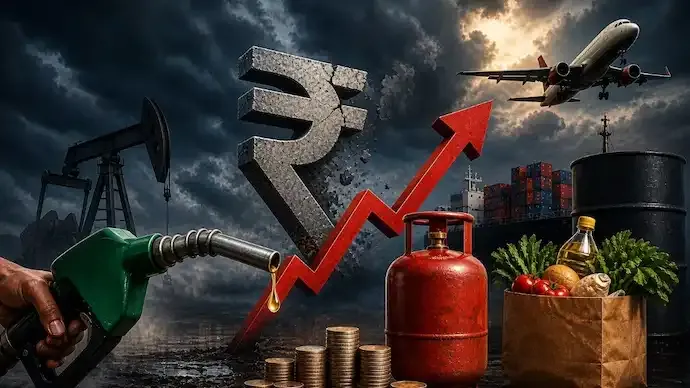
Headline inflation rose to 8 per cent year-on-year in August, largely due to the global oil price shock. The IMF said inflation expectations remained broadly anchored, while gross official reserves climbed to US$6.9 billion by the end of August. The country’s banks also remained well capitalised and profitable.
The IMF cautioned that Sri Lanka continues to face risks from the conflict in West Asia, uncertainty surrounding global trade policies and the effects of El Nino. It stressed the need for prudent economic policies, reforms and stronger fiscal and external buffers while maintaining price stability.

The Fund also called for a medium-term revenue strategy to improve tax collection and make the tax system more efficient and equitable. It recommended broadening the tax base and reviewing tax exemptions and incentives while maintaining the 5 per cent inflation target.
During its mission, the IMF team also visited Jaffna and identified opportunities in agriculture, fisheries, tourism, renewable energy, connectivity and skills. It said stronger social protection would be important to ensure that the benefits of economic growth reach vulnerable sections of society.







Conversation
Be kind and stay on topic. Comments are moderated; abuse, spam and personal attacks are removed. Report a problem